
Welcome to Modern Agriculture!

Introduction to how to start organic farming in Himachal Pradesh: Organic production is defined as a holistic system designed to improve the productivity and well-being of diverse communities within an agroecosystem that includes soil animals, plants, livestock, and people. The main goal of organic farming is to develop enterprises that are sustainable and environmentally friendly which means protecting the environment, minimizing soil degradation and erosion, reducing pollution, improving biological production, and promoting good health. Agriculture is a way of life for the population in Himachal Pradesh.
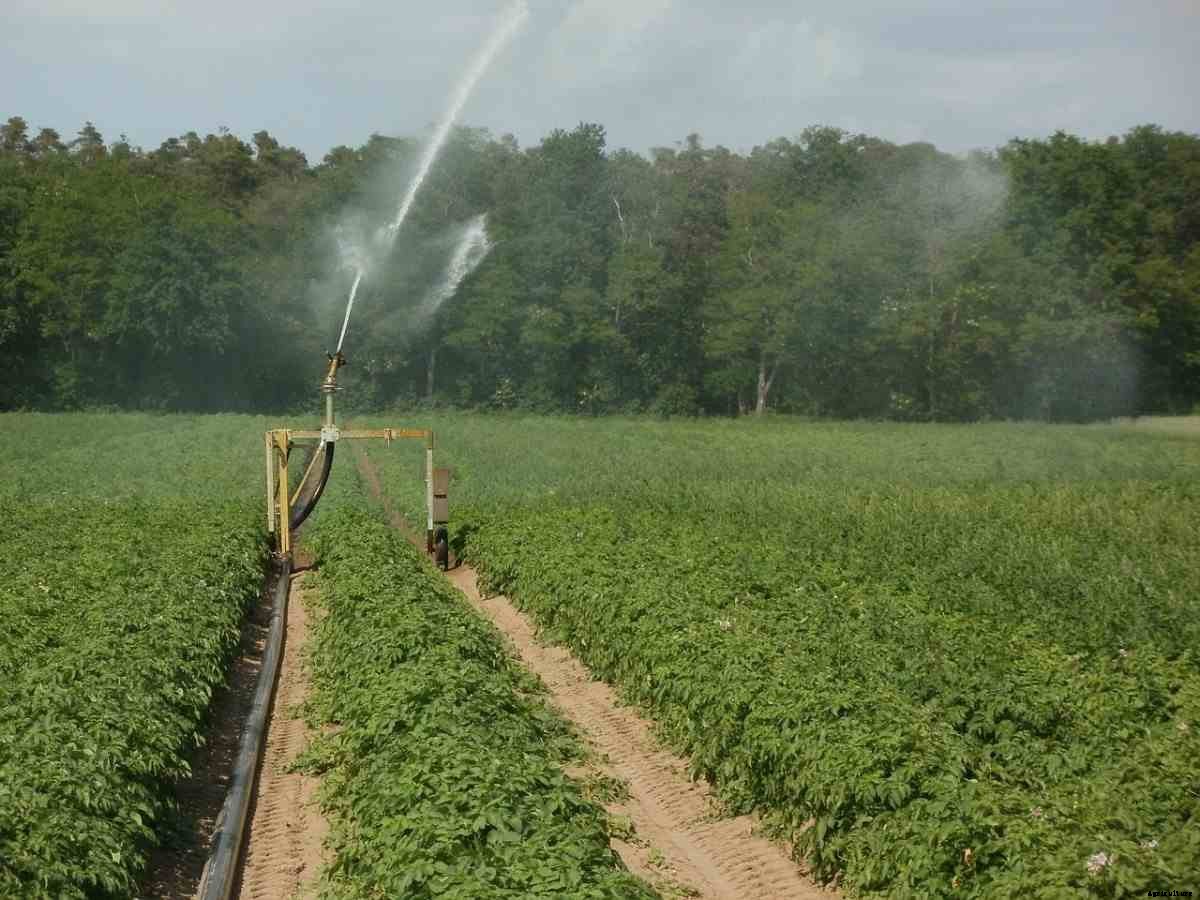
Organic farming has been the subject of much controversy in recent decades, most notably because it sheds light on the darker side of traditional chemical-rich farming by offering alternatives. So far, there is strong evidence that organic farming is more environmentally friendly: the potential benefits from organic products come from better soil fertility, organic matter content, and biological activity. Improved soil texture and reduced sensitivity to erosion; reduced pollution from nutrients and pesticides, and improve the biodiversity of plants and animals. As more and more attention is paid to determining whether organic systems are better for the environment. If organic farming offers better environmental quality, and potentially healthier food, but does not provide significant economic benefits to the majority of farmers, then it is a source of food production for a very small fraction of farmers. The continued development of organically managed lands around the world mainly in developing countries. However, there are very few long-term studies that analyze profit growth in comparative studies.
Organic farming practices include the following five principles;
You may be interested in this: How To Start Backyard Vegetable Farming.
Step 1) Good information about organic farming – Successful organic farming requires a great deal of knowledge about the functioning and FMY (farmyard manure) management of natural processes. For successful organic farming, it is important to know the possibilities for maintaining and improving the natural process.
In case if you miss this: How To Buy Agricultural Land In Gujarat.
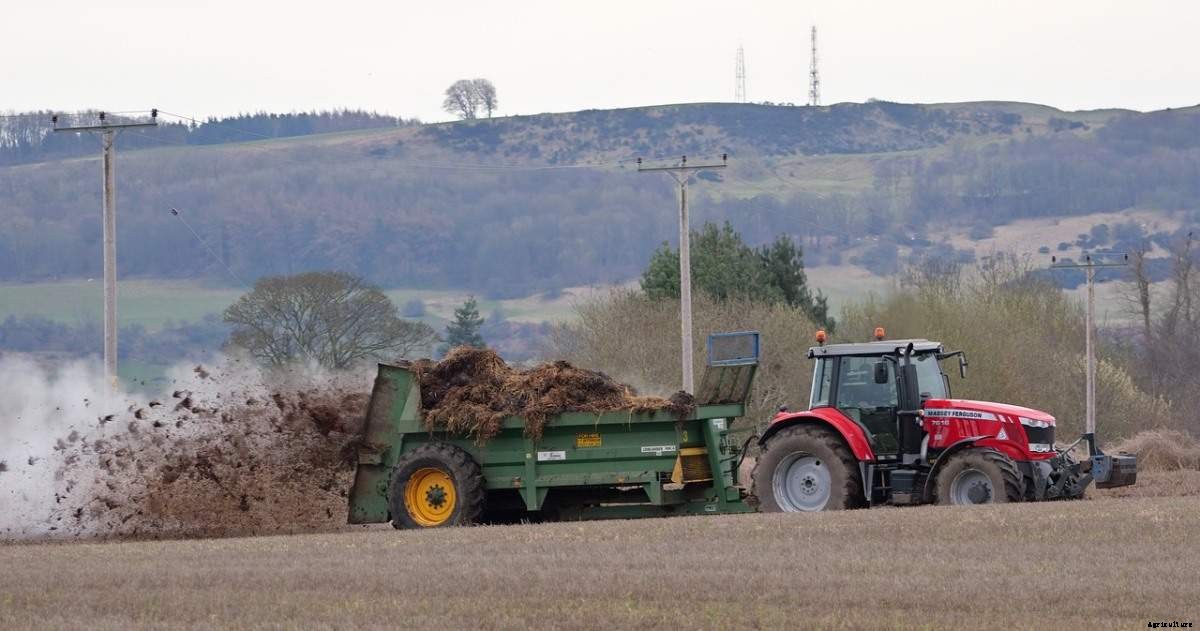
Step 2) In Himachal Pradesh, growers who are interested in adopting organic farming practices are recommended to contact local farmers. Some farmers may be good at making fertilizer may be good at growing green manure, and some may be good at making plant or manure tea. Learning from experienced farmers and learning about the benefits of implementing organic methods.
Step 3) Organic soil management – Organic farmers maintain their soil health by using compost and other organic matter instead of artificial fertilizers. Organic fertilizers, such as fertilizers, slowly release nutrients, produce soil organic matter, increase soil’s ability to retain moisture, and reduce nitrate emissions into groundwater. Up to 40% of the artificial fertilizer used in conventional fields ends up in groundwater and surface water, which ultimately pollutes rivers, lakes, and oceans.
Step 4) Crop rotation – Organic farmers often do not grow the same crop year after year in the same field. Crop rotation naturally replenishes the soil as different plants provide different nutrients to the soil. Disrupting the habitat of insects and herbs helps to control them.
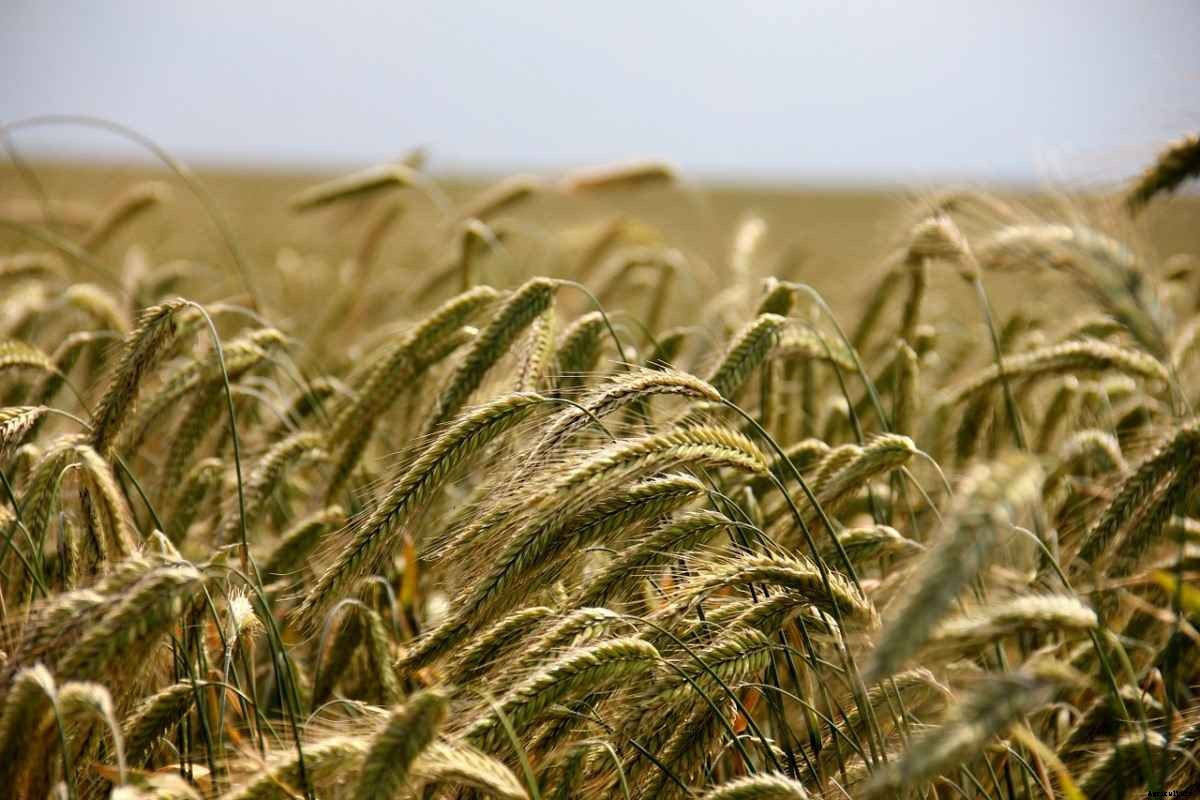
Step 5) Covering crops – Covering crops such as clover, rye, and wheat are planted between growing seasons to help replenish the soil with nutrients and prevent soil erosion. They also help maintain beneficial insect populations. Cover crops can compete with weeds by poisoning and out-competing them and for nutrients.
Step 6) Site is key – The site plays a main role in the success of any project. The location of an organic farm determines how the project will turn out. Site selection must be close to clean water sources. For a newcomer, it’s hard to imagine, but it’s important for the project’s success. The farm’s proximity to the market also plays a major role in farm sustainability.
Step 7) The proximity of the farm to the market allows easy transportation of produce for sale. It helps save on the cost of transporting materials to the agricultural farm. Site selection also is done with the purpose of an organic farm. If the form is not for commercial purposes, the role of these factors is to diminish and the purpose of the form also determines its size.
Step 8) Organic pest management – It is important to careful management of plants and animals to prevent the spread of pests and diseases. Initially, biocontrol agents can be applied but the management of organic pests is best achieved through ecological practices that balance the pests/predators. Although the choice of crop-resistant varieties is of paramount importance, other prevention methods include the choice of sowing times to prevent the spread of pests. Improving soil health for resistance to soil pathogens; rotating crops; encouraging natural biological agents to control diseases, pests, and weeds; change of residence to encourage jirgas and natural enemies; and trapping pheromones.
Step 9) Pesticides – Organic farmers have a responsibility to protect their organic fields from the spray of artificial pesticides. To avoid the flow of pesticides on crops from neighboring farms, organic farmers should use one of the following methods to protect organic farms. The first is to install natural hedges on the boundary of neighboring fields. This can prevent the spillage of pesticides by air or running water.
How about this: How To Start Organic Farming In Uttar Pradesh.
The Organic Vision of Himachal Pradesh is inspired and inherited from the spirit of the National Organic Vision so that the farmers in Himachal Pradesh can benefit from organic farming. Its four pillars are as follows;
1. Organic farming has become a low-cost sustainable option for farming in the state, especially for hill farmers who own rain-fed farmland to help improve their food and income security.
2. Organic farming is mainstreaming in the state and it helps in achieving ecological and economic stability of hill agriculture i.e., conserving clean water, environment and biodiversity.
3. Organic farming helps farmers and consumers in Himachal to produce and supply adequate safe and nutritious food.
4. In Himachal Pradesh, organic agriculture is an agri-business opportunity for educated youth. Also, it provides employment opportunities under the supply chain.
The Milestone of the HP Organic Mission is developing organic villages for agro-tourism as part of the Himachal Pradesh tourism development strategy. This strategy will help convert organic products into services with a higher value. Himachal develops strong institutional capabilities and human resources in the state to implement appropriate organic strategies, to achieve the mission goals. Bringing organic farming into the mainstream in the state will reduce the need for subsidies on chemical fertilizers. A credible Himachal Organic Brand has been created, under which many of Himachal’s organic products are marketed.
To promote organic farming in the state of Himachal Pradesh, farmers and gaming in the state are going through a phase of many processes and factors including the following, which will attract them, find solutions in organic farming.
Sloping or terraced farms are inherently backward and therefore increasing/improving their organic carbon is a must for sustainable agriculture. At present, farmers are using chemical fertilizers for maximum production in these fields. The negative effects of such methods are already visible, as pulses are no longer grown on these lands, the fields require more fertilizers to maintain yields, maintain low humidity and have a lot of soil. Lesser living plants and animals are present (necessary to aid natural methods. To maintain soil fertility). Improving the health of farms is the single most important strategic requirement for organic farming in Himachal Pradesh.
In Himachal Pradesh, vegetable and fruit farmers are dependent on the increasing use of pesticides, which is increasing the production cost and also compromising both the production quality and food security. Organically grown vegetables and fruits will be of better quality. You will get better prices (premium prices in the case of certified organic). Experience has shown that organic produce, despite being uncertified, is sold on a preferential basis and at a better price. Himachal’s Rs 1,500 crore vegetable business could be drastically changed by adopting organic farming methods.
Partially decomposed or raw FYM which is less expensive as fertilizer and more as a carrier of diseases and field straw is another major concern of farmers in Himachal.
Agricultural development programs will work well by assessing the status of FYMs in different areas and promoting ways to make them better compost. For example, the FYMs currently used by farmers are only partially decomposed and are less expensive than organic fertilizers. Promoting vermicomposting and many other similar biological options may be the best option.
Increase in value of cash crops produced by Himachal farmers. Farmers in Himachal Pradesh have so far benefited from the vegetable season tag. Crops-based crops, such as peas and exotic vegetables grown in the highlands of the state, are the best quality fruits of the cold desert region. The niche value of these commodities will be further enhanced by organic production. The certified organic tag or Himachal organic brand for these items will add more value. If only 20% of the state’s vegetable and fruit production, mostly coming from locality-enjoying areas, is grown organically, the crude estimate is @ 20% premium, it will make approximately `80 crores of value addition over 400 crores of the produce. The extra money that comes into farmers’ pockets should be a good reason for them to grow organic and pay for safe organic food for consumers.
The expansion of tourism in rural areas in the state is being promoted by including rural homestays. There is an opportunity to expand the scope of Organic Agriculture Tourism and give importance to Home Stay.
The policy is;
To identify and encourage the organic sector in the state; this includes recognizing the relevance of the organic sector to the overall development of agriculture in the state and thus linking the organic sector to the agricultural development objectives of Himachal Pradesh.
By creating an environment conducive to organic farming in the State, by developing appropriate policies, plans, and support services for activities such as the state’s seed cash crops – organic production of fruits and vegetables, in low production areas increase production, conservation of biodiversity. And increase natural resources on farms, increase income and reduce the cost of farming and increase the supply of safe food in local/national/international markets.
You may also check this: How To Start Fish Farming In West Bengal.
Develop favorable policies to strengthen the linkages of crops and livestock in the organic sector and to make Himachal a state rich in organic manure.
Take steps to make Himachal forests, grazing lands, pastures organic, certified/uncertified, to facilitate the provision of organic grazing areas, organic fodder for livestock and inorganic timber forest products to be provided.
Create an investment environment for organic agribusiness and organic agro-tourism based on organic villages/valleys, to develop these important sectors for self-employment and in the field of rural development in and out of farms. Activities can be valued.
Although organic farming is being promoted for its agro-economic, environmental and social benefits and consequences, the following are some of the issues that are not giving way to the development of organic farming. The most important obstacle to the development of organic farming is the failure of government policymakers to take concrete decisions to promote organic farming.
The small number of organic farmers cannot provide sufficient, regular products to enable the markets to grow further. Organic farming requires maximum awareness and understanding of biological and environmental processes and interactions and requires a long-term approach to operating the system without relying on chemical treatments.
The new science funding structure in India does not encourage the multi-disciplinary, system approach required for organic farming research. • Many submissions cite a lack of information on organic methods and possible returns for farmers. Supply to export markets, producers must meet overseas certification requirements, including overcoming difficult phytosanitary and storage requirements. Uncertainty about the future demand for organic products from farmers, marketers, and processors. Knowledge of the availability and usefulness of additional nutrients to enrich the soil is also essential to increase productivity.
Farmers lack information on modern fertilizer techniques and their use. It is found that before the commencement of cultivation of organic crops, their marketability and also failure to obtain premium paddy during the period required to achieve minimum production level at a premium as compared to conventional production must be ensured.
To improve socio-economic conditions of hill farmers and reduce production costs, higher quality product in terms of taste, flavor with longer shelf life, saving of chemical fertilizers and overall improvement in soil resulting in higher profit per unit area. With the increase in the export potential of farmers’ production, specific interventions have been undertaken under the Rashtriya Krishi Vikas Yojana (RKVY) to promote organic farming in the state of Health / Production in HP. The expansion of the area under organic farming and certification was carried out with the help of experienced service providers who have a certification agreement with an APEDA approved agency. A cluster approach was followed to identify potential areas and emphasis was placed on promoting organic farming in selected pockets. Specific zones were identified and developed as specific areas for organic production.
The state government has introduced ‘Prakritak Kheti Khushhal Kisan Yojana’ to increase agricultural income by adopting Zero Budget Natural Farming System (ZBNF) which avoids low-cost climate. The system will not only improve soil fertility, water fertility but also discourage the use of fertilizers and pesticides and reduce environmental pollution.
To promote organic farming in the state, the government is providing a 50% subsidy to farmers for setting up vermicompost units. The government has taken the initiative to make Himachal Pradesh an organic state, for which a coordinated action plan has been drawn up to encourage bio-fertilizers, bio-pesticides and discourage chemical fertilizers and pesticides.
Why don’t you consider this: How To Start Thyme Gardening For Beginners.
Procedure;
pest/fungus valid organic certificate is valid for one year from the date on the certificate. After entering the Certification System, you must apply for annual renewal to maintain the status of your certification.


