
Welcome to Modern Agriculture!

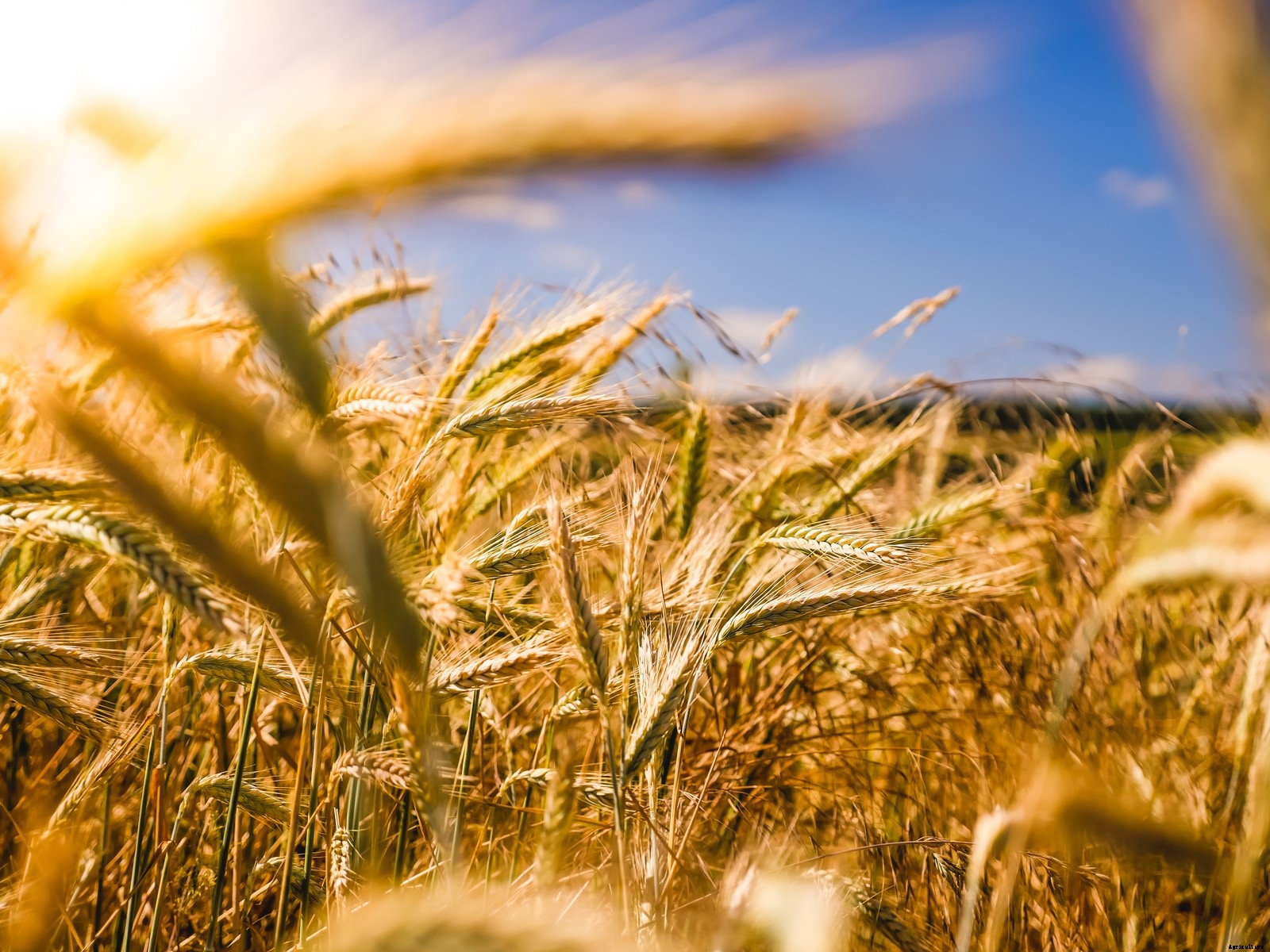
Monoculture in agriculture refers to the cultivation of a single crop across a broad region. Monoculture is the standard in most large-scale commercial agriculture in the United States and many other countries of the world. Monoculture has several short-term advantages, particularly in terms of economies of scale and automation of the production process (and thus reduction of labor costs). However, the long-term downsides of monoculture are overwhelming – this farming approach has several harmful consequences on the ecosystem, and these negative effects tend to grow compounded with time. This article evaluates the benefits and cons of this type of uniform approach to agriculture and points to some alternative approaches that are more sustainable, both environmentally and economically, and hence superior on all counts in the long run.
It is clear that I am neither a supporter or champion of monoculture. However, there are several direct and convincing reasons why people engage in this damaging habit. Before we go into why this behavior is so damaging, I think it’s a good idea to look at its benefits or advantages.
The key benefit is scalability, which is achieved mostly through automation. Labor costs are extremely high in agriculture, primarily in the United States, so anything that might reduce the usage of labor in agriculture is very likely to result in cost savings. This is generally true even when automation reduces yield per unit area. For example, once a crop has been grown, it can frequently be harvested in a variety of ways, with varying degrees of automation. Greater automation in harvesting may result in more waste, such as grain left in the fields, but if it requires less labor (such as one person driving a large machine that covers the ground quickly, as opposed to several people driving smaller, slower machines or many people harvesting the crop by hand), it may be superior in a cost-benefit analysis, even if it results in more waste.
The most striking disadvantage of monoculture farming is its inability to adapt. Wild habitats are diverse, as are wild populations of plants and animals. An ecosystem has a diverse range of species, each having its own adaptations to its surroundings and distinct strengths and weaknesses in reaction to changing conditions. Similarly, a plant or animal species’ natural population contains genetic variety, and each individual plant or animal has slightly different features. Furthermore, each population, as well as the ecosystem as a whole, is always evolving, adjusting to changing environmental conditions as well as the conditions imposed by the system’s other populations and species.
Monoculture smoothes out this variability, destroying diversity and replacing it with, at best, a single species, and at worst (as is common in the United States), a single cultivar – rows and rows of genetically identical crops, essentially cloned, reproduced through cuttings or genetically engineered seed stock.
The ecological environment of monoculture is characterized by a vast array of genetically similar plants set against a backdrop of natural pests such as fungi, bacteria, insects, and numerous other creatures. These pests each have their own natural population with their own biodiversity, and their populations are continually changing and adapting to being able to consume the crops or benefit from the presence of whatever crops are being farmed. Monoculture crops, on the other hand, are not changing and are unable to adapt since they lack genetic variety and are not permitted to reproduce organically. Plant pests and weeds also adapt, spreading into crop fields to take use of the extra sunshine, as most monoculture crops let in plenty of light but do not fully utilize the sun’s energy.
In this system, the only option to control pests is to devote ever-increasing energy and resources on chemical control, either by spraying pesticides, fungicides, or bactericides on crops or by genetically engineering crops to manufacture these chemicals themselves. However, without the natural adaptation, pests will eventually evolve to withstand any of these treatments. Monoculture is doomed from the start since it contradicts the natural ways in which ecosystems function. It is utterly unsustainable in the long run.
Due to the fact that monoculture farming requires a rising amount of chemical inputs, the negative environmental repercussions are also increasing. Although individuals frequently choose to employ safer chemicals when they are available and in the lowest dosage possible, any safe chemical will eventually fail to perform. Numerous chemicals used in industrial agriculture are known to be hazardous and/or carcinogenic to humans, as well as having other adverse effects on humans. However, even chemicals that are acceptable for human ingestion or exposure can have a detrimental effect on the environment; for example, roundup, a widely used herbicide, is significantly more poisonous to frogs than it is to humans.
Apart from the detrimental consequences on the environment, monoculture annihilates our culture. Monoculture and large-scale factory farming are largely responsible for or associated with Americans’ alienation from farming and the shift away from an economy in which a large proportion of people were directly involved in agriculture toward a society in which food is viewed as an industrial product to be purchased in a store with little knowledge of its origins.
Factory farming and widespread monoculture are happily collapsing as an empire. You can help by learning more about gardening and experimenting with growing some of your own food, even if you only have a small city yard, or by growing some indoors or on a porch or balcony if you lack a yard. Additionally, you can visit farmer’s markets to purchase locally grown food and promote small-scale, local production through diversification of farming methods by purchasing from these farmers. We will develop a stronger connection to our food and contribute to environmental protection as we return to diverse agriculture.

