
Welcome to Modern Agriculture!

Do you know, what is the future of farming? Vertical Farming is the answer. In this article, you will know about the trending type of farming, how it is done? What are the types of Vertical Farming? And many more. Scroll down now to know, like
What is Vertical Farming?
Vertical farming is a modern type of farming, where we can produce food and medicines in vertically queued layers, vertically inclined surfaces or integrated with alternative structures like a skyscraper. The trendy concepts of vertical farming use indoor farming techniques and controlled-environment agriculture (CEA) technology, where every environmental factor under control.
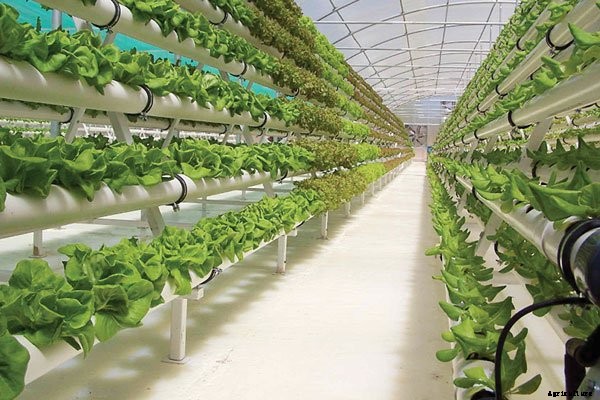
These facilities utilize artificial management of sunshine, environmental management (humidity, temperature, gases) and fertigation. Some vertical farms use techniques the same as greenhouses, where the natural daylight is increased with artificial lighting and metal reflectors.
Major types of Vertical Farming:
Many scientists have puzzled for years if vertical farming is the ultimate solution to the shortage of food within the world. But, the concept of vertical farming may sound strange to several startups; it’s a creative technique to supply food in environments wherever cultivable land is inaccessible or rare at the foremost.
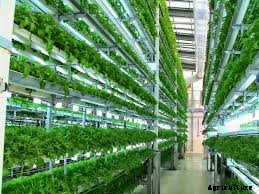
This technique is particularly handy for difficult environments like deserts, versant cities, and cities wherever several numerous kinds of vegetables and fruits are grown using skyscraper or precision agricultural designs.
This type of farming is more sustainable and revolutionary as it lowers the water usage up to 70 percent and also requires less space and soil. This innovation within the field of agriculture with sustainability as the prime focus is leaving no coins unturned to flip a large number of heads towards its eco-friendly methods which are making farming possible in typical environments.
Hydroponics is a principal system of farming in vertical farming, and it’s slowly however steadily, gaining importance. It involves the overall growth of plants in solutions of nutrients.
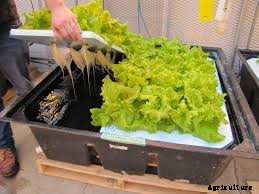
In this vertical innovation of farming, the plant roots are submerged into the solution containing nutrients. This is regularly monitored so as to make sure chemical composition remains maintained.
The innovation of Aeroponics within the field of vertical farming was introduced by NASA (National Aeronautical and space administration) in 1990 when it was looking for techniques to grow the plant in space.
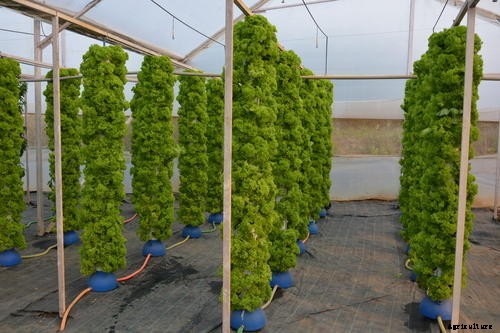
The technique was termed as Aeroponics and is defined as a growing plant in an air/mist environment with very less water and no soil. However, this system is not much widely used in the world.
It is beyond question that it is the most efficient way of vertical farming as it uses almost 90percent less water than hydroponics too. It has also been proven scientifically that plants grown through this technique uptakes more minerals and vitamins and as a resultant making the plants healthier and more nutritious.
Aquaponics is similar to hydroponics but the only difference is Aquaponics is better. In the same ecosystem, it combines fish and plants. In Aquaponics, fishes grow in indoor ponds and they produce nu8trient waste that acts as a nutrient source for plants.
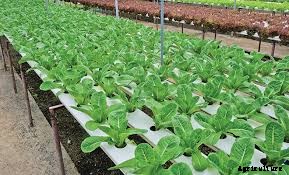
The plants purify and filter the water waste and the recycled water is poured directly into fish ponds. Aquaponics is used at smaller scales than other vertical farming techniques.
However, it is used by many people to grow fast growing crops. Farming in Aquaponics increases efficiency and is also simplified.
The IKEA space10 innovation lab came out with a unique but efficient way of vertical farming i.e. local. Lokal also uses a hydroponic farming system and uses LEDs in stackable trays.
According to scientists, the green vegetables are grown thrice as faster in Lokal technique as compared to the traditional technique. This technique is still undergoing updates and they want to introduce sensors in the tray so that a person can check the status of crop using smart-phones.
When involving indoor farming, AeroFarms are the business leaders in this field due to its innovation of predicting results of your harvests. In this technique of farming, there is very less impact on the environment, efficient quality of food and faster harvesting period without using sun or soil.
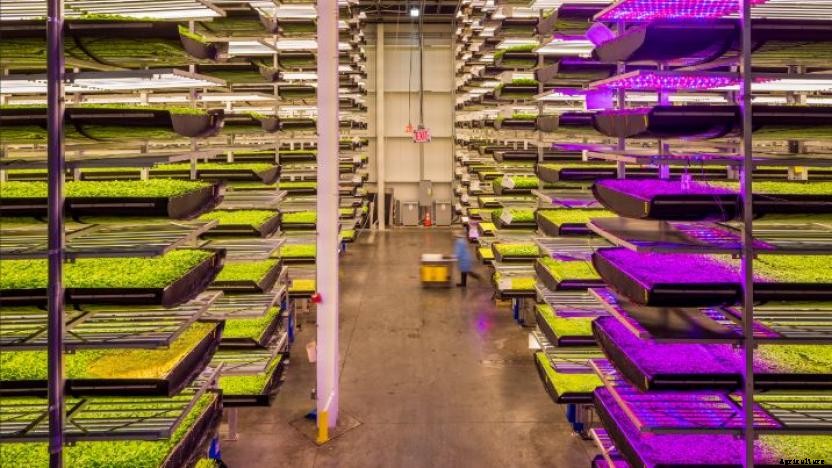
Therefore, it’s easier to regulate the results of the harvest. This technique of vertical farming uses smart Aeroponics, smart lights, smart nutrition, smart pest management, and smart scaling.
AeroFarms aims to remodel the entire system of agriculture by building and creating farms that are environmentally accountable. In short, they want to grow a large number of crops in very less space using smart techniques.
Vertical Farming VS Traditional Farming:
Crops grown in vertical farming are:
How much vertical farming does costs?
The cost of vertical farming is dependent on numerous numbers of factors that are size of building, machineries, technology being used, Lightning, nutrients, labor and many other factors. So, It is difficult to let you know what cost you will incur at your space.
However, Vertical farming can cost as low as 40 lakhs and as higher as you can bear.
What is the Yield?
The yield of vertical farming is significantly better than field farming. The result of even 5 times the production than traditional farming has been achieved by vertical farming.

