
Welcome to Modern Agriculture!

In this article:
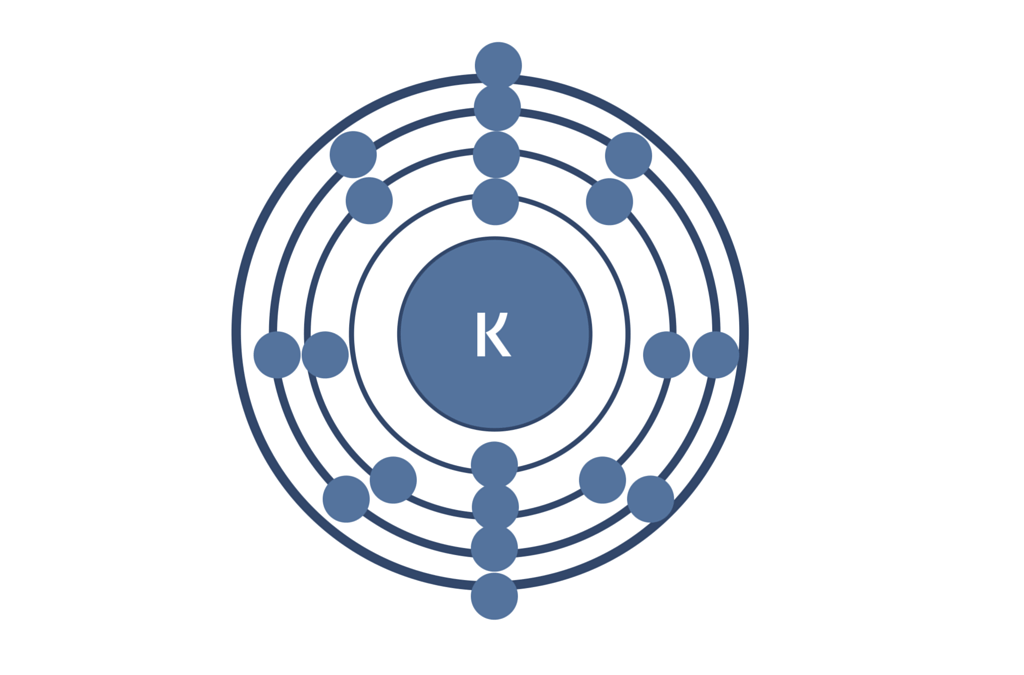
When it comes to interesting (and frustrating) nutrients in aquaponic systems, potassium takes the cake. Potassium is the most commonly deficient nutrient by far (9 out of 10 are a potassium deficiency). But that’s not all—potassium also has a complicated relationship with other nutrients in the system, which makes it tricky to manage.
Potassium is introduced to your system in the form of fish feed or supplements like potassium hydroxide or kelp meal concentrate. However, the potassium levels in most fish feeds aren’t adequate for both plants and fish.
This means that potassium is often deficient in aquaponic plants. This causes all sorts of problems.
Potassium is a simple, soluble element, important for plants as well as animals. In fact, practically every living thing needs potassium to survive.
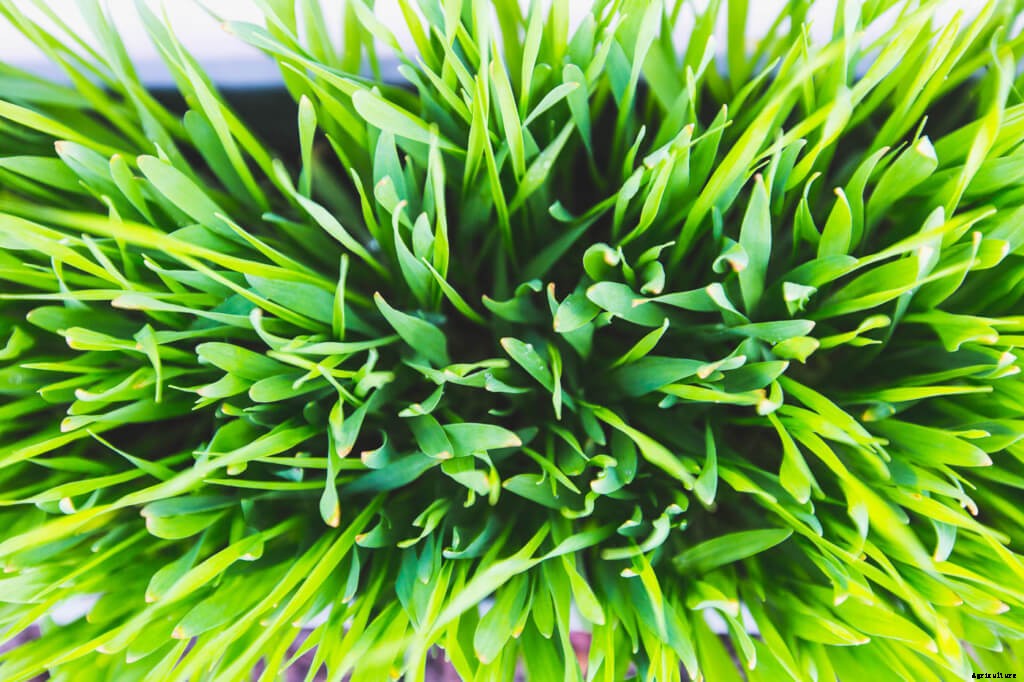
Plants use potassium in four very important ways:
Because it’s simple, soluble, and charged, potassium is an important signaling ion. This means that plants use potassium to communicate with the different cells and parts of the plant, coordinating growth and reproduction and mounting defenses to diseases and pests. Thus, potassium-deficient plants are more susceptible to pests.
Potassium is also a simple and effective ion to control the osmotic potential of plant cells. Basically, the plant uses tiny pumps to move potassium from one area to the next in order to “inflate” certain cells with water. Water moves from the cells with low potassium concentrations to the cells with higher concentrations. This allows the plant to keep its tissues full of water, which is important since plants are mostly made of water.
Potassium also allows the plant to do things like open tiny pores in the surface of the leaves (called stomata) to allow gas to enter and exit the plant.
Last but not least, potassium is important to building proteins, which are crucial to plant survival.
For fish, potassium is one of the top ten most important elements (by % of body weight). For this reason, fish feed usually contains quite a bit of potassium.
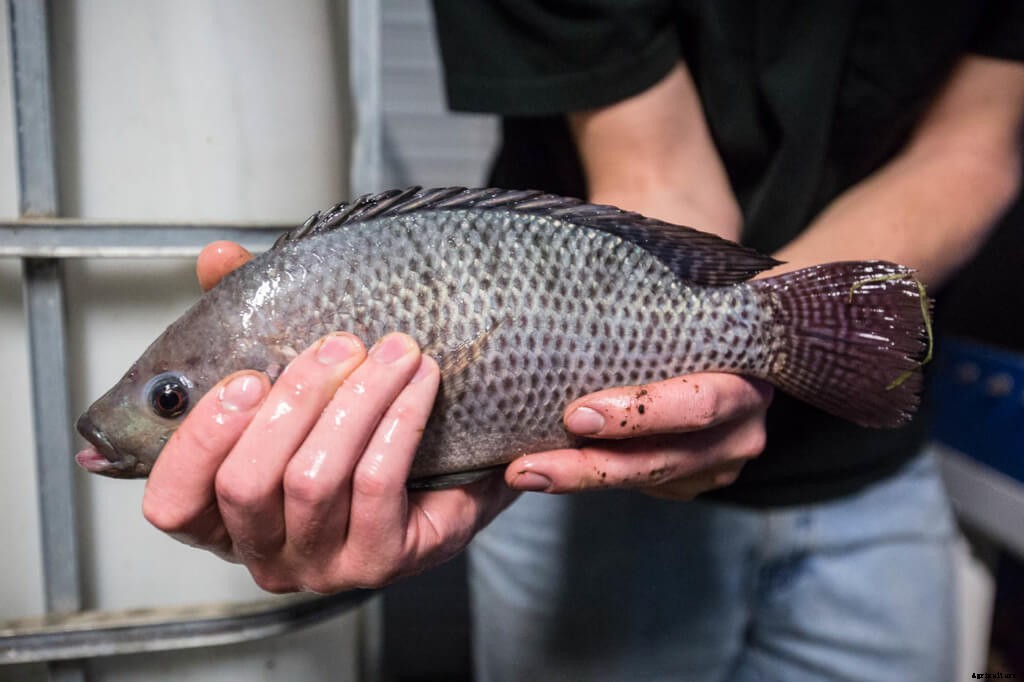
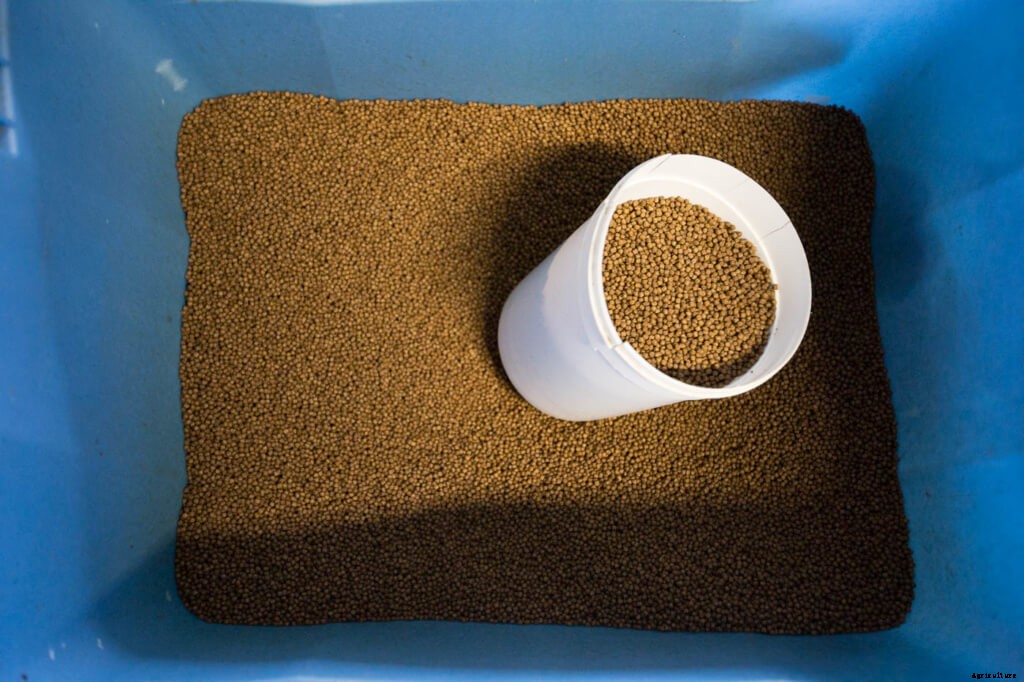
Unfortunately, the potassium in fish feed still isn’t enough for plants. Feed is formulated to be efficient, so it rarely includes more potassium than is necessary for the fish. This is because most fish feed isn’t made with aquaponics in mind, but aquaculture—where excess potassium would just go to waste. When traditional aquaculture feeds are used in aquaponics, there just isn’t enough potassium to go around.
Plants, especially flowering and fruiting plants, consume potassium at rates significantly higher than rates of input. Potassium is almost always deficient in mature aquaponic systems. So in order to have healthy plants, you’ll have to artificially bump up the amount of potassium in your system with supplementation.
You can supplement potassium one of two ways:
The most common (and often easiest) way is to supplement the solution. In some cases, supplementing potassium in the solution can be problematic. This is because the amount of potassium you add to your system isn’t always what is available to your plants.
Why wouldn’t it be available? Well, potassium can interact with other elements in ways that we don’t expect. Namely, it interacts with calcium and magnesium, both of which reduce the availability of potassium to plants. This means that plants can show potassium deficiency symptoms even if there is technically plenty of potassium in the system.
Calcium is the ringleader of the “let’s complicate potassium uptake” club. Systems with lots of calcium (maybe they use calcium carbonate to “buffer” pH or maybe the input water is hard with calcium-based carbonates) reduce the ability of the plants to take up potassium.
Balancing calcium and magnesium is key to supplementing potassium effectively. We must make sure that we are not supplementing one at the expense of the others.
There are two ways to maintain a balance:
Potassium deficiencies can be difficult to diagnose, primarily because they resemble in many aspects, deficiencies in Calcium and Magnesium. There are some distinguishing features, however.
Potassium deficiencies will show up initially as interveinal chlorosis (when the space between the plant veins yellow, but the veins stay green), starting in the older growth. This is because potassium is mobile in the plant, allowing the plant to reallocate what potassium it has from the old growth to the new, delicate growth.
If the potassium deficiency isn’t initially treated, it will get worse, culminating in browning, drying, and death of the edges of the leaves. In addition, you will find dead, necrotic spots on the leaves, as well as bronzing and cupping.
Each crop can show slightly different symptoms, and often, when the deficiency becomes extreme, it becomes impossible to differentiate from calcium deficiency.
O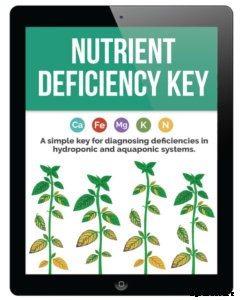 ne telltale sign for many crops in aquaponic systems is the stunting of root growth. This means that plants show slowed or stunted growth and can be easily pulled from the media. The root system of pulled plants will be small, often browned, and lack lots of structure.
To help with diagnosis, please download the Nutrient Deficiency Key developed by Dr. Nate Storey. It isn’t foolproof, but it can give you a starting point for diagnosing potassium, calcium, magnesium and iron deficiencies, and help you to see the differences between them.
When it comes to managing nutrients with frequent deficiency, the best thing that a manager can do is to proactively solve the problem, instead of waiting for the problem to manifest. Managers can create a supplementation calendar to avoid deficiencies.
Depending on your actual pH range and your desired pH range, there are a number of ways to supplement potassium.
“For low pH systems, the best potassium supplement is potassium hydroxide (caustic lye). This is a great way to supplement potassium while raising your pH. Potassium hydroxide is very strong base, meaning that is is an excellent way to raise pH. Potassium carbonate can also be used but is a carbonate, so it’s not appropriate unless your system trends to pH values around 6.0 consistently.”
“For pH neutral or basic systems, you want to add potassium in a form that will not impact your pH. Your best options in this regard are kelp meal concentrates or potassium sulfate.
Kelp meal concentrates are available in a liquid or powdered form. If you want the most bang for your buck, buy kelp concentrate in powdered form. Typically, 1–2 dry ounces of powder will make 1 gallon of concentrate, significantly bringing down the cost of using kelp concentrate in your system. It should be noted that kelp meal concentrate also delivers other micronutrients that can be beneficial to your system health and can be applied foliarly for faster results.”
 Managing an aquaponic system is a dynamic, interesting, and challenging task. Fortunately, we’re here to help you with any aquaponic question you might have, starting with a self-paced easy-to-learn course on aquaponics from Dr. Nate Storey.
Delve into your aquaponic education with the Foundations of Aquaponics course here.
Not a member of Upstart University? Get registered today for only $9.99 a month


