Welcome to Modern Agriculture!

You want to grow hydroponically. Whether you’re totally new or just adding on to an existing system, you need an overview of all your choices before you start on the hydroponic design.
In this article, we’re going to review the parts of a hydroponic system, the 5 main methods of hydroponics, and factors to choose the perfect system for you.
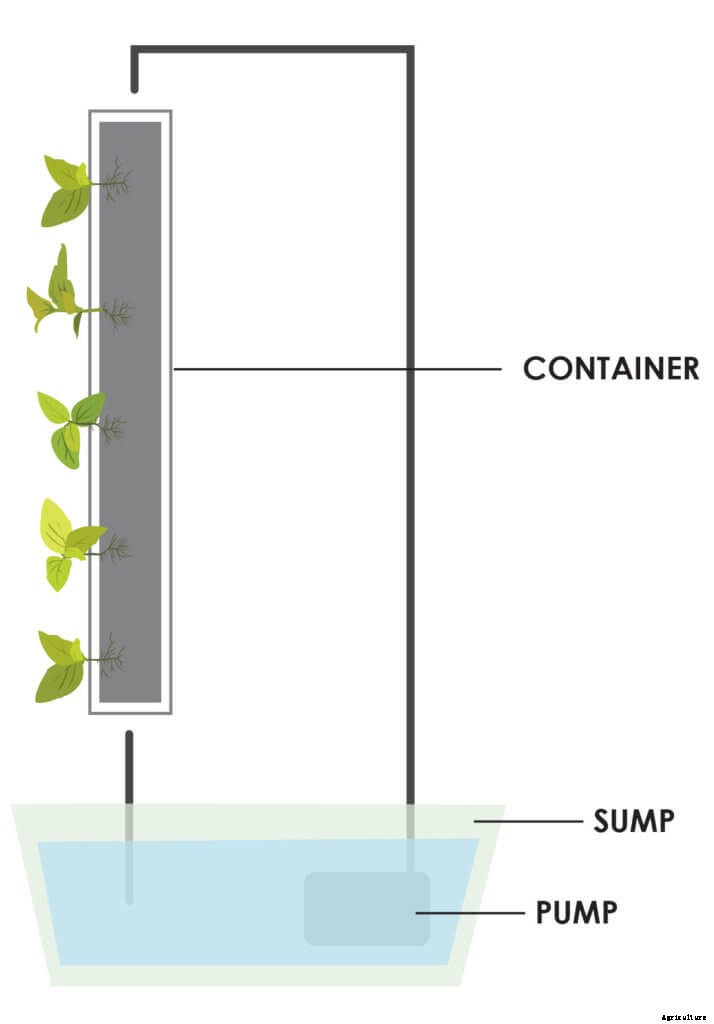 1) Growing container.
This could be a bed, a bucket, a tower, a raft, or really any watertight container that can support the media that it holds. The container is the part of the system that hosts the plants while the nutrient solution is flooded, streamed, or dripped through the media inside.
2) Sump tank.
The sump tank holds and sometimes mixes nutrient solutions. In some systems, there is both a sump tank and a mixing tank. The use of both a sump tank and a mixing tank is more common on a commercial scale when separate levels for drainage and irrigation are needed or when an auto dosing system benefits from a separate tank.
3) Pump.
As we’ve outlined in previous posts, there are two main types of pumps, each appropriate for different sized systems. (See this post to a size a pump.)
*There’s a very simple method called the Kratky method that combines the sump with the growing container. No pump is needed because all the solution is available to the plant immediately. This is a very neat method that requires beautifully formulated solutions.
DWC – Deep water culture. DWC systems use a floating raft to hold plants over a solution tank, similar to a chinampa of the Aztecs. Solution is moved from the sump through the tanks very slowly to deliver nutrients without disturbing the delicate roots too much. This is great for tropical regions because of the great temperature stability in the root zone, though they can have problems with dissolved oxygen levels.
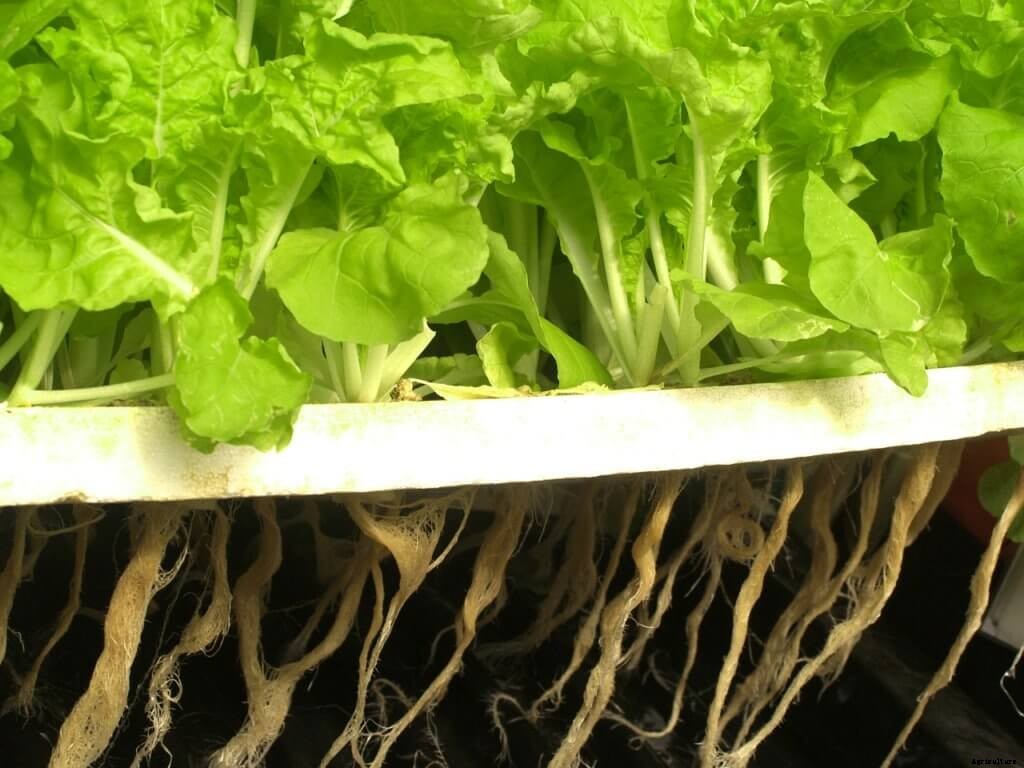
NFT – Nutrient film technique. NFT systems use a series of shallow troughs. Solution is run down the length of the trough (or gutter) in a very thin film. This is a very common method in greenhouses on a single horizontal plane. It’s cheap to build up front but not very space efficient.
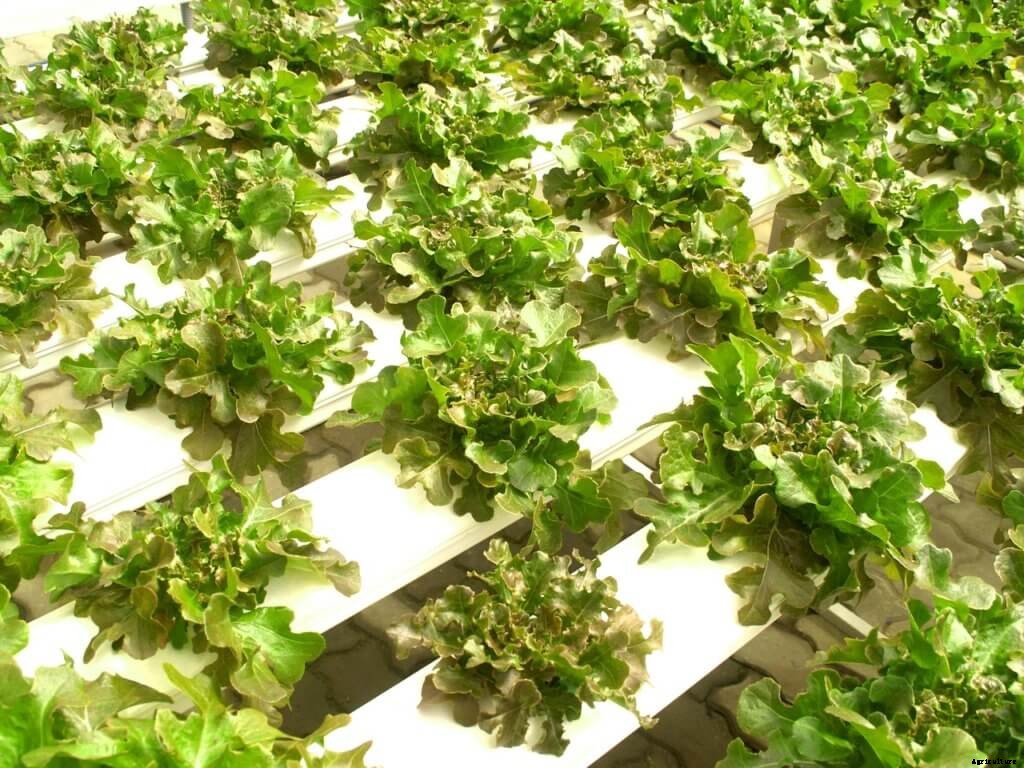
ZipGrow – ZipGrow and other vertical tower systems use vertical planes to grow in 3-dimensional space rather than a single horizontal plane. These types of systems are more space efficient with lower operating costs, though upfront costs tend to be higher.
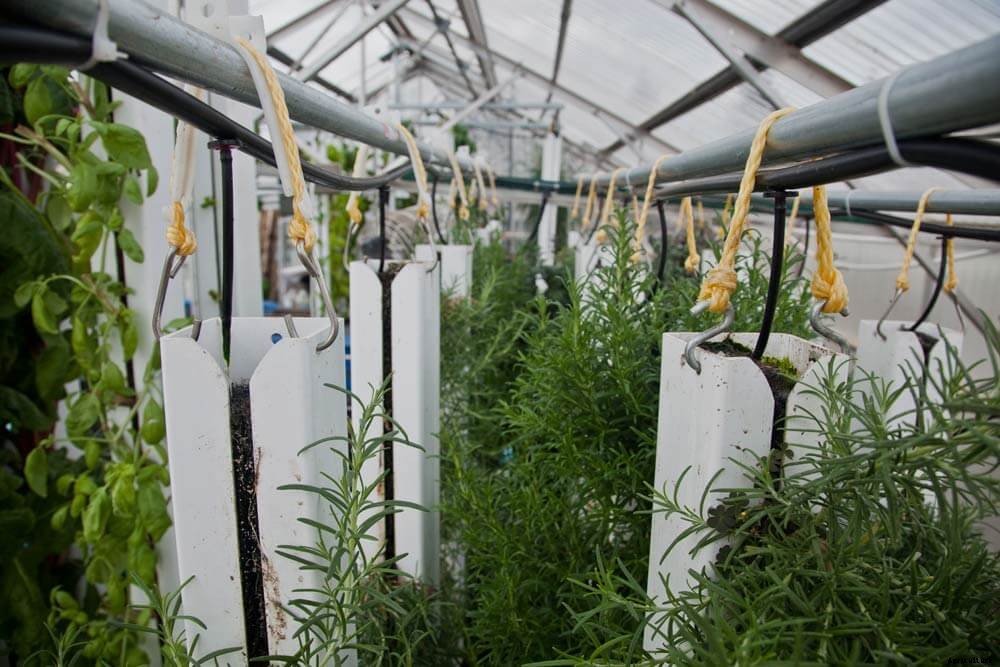
Aeroponic – Aeroponic systems grow plants primarily in air using a fine mist to deliver the solution to plant roots. Aeroponics systems are cool and can be cost-effective, but are tough to manage; nozzles tend to clog up and root zone temperatures are not stable.
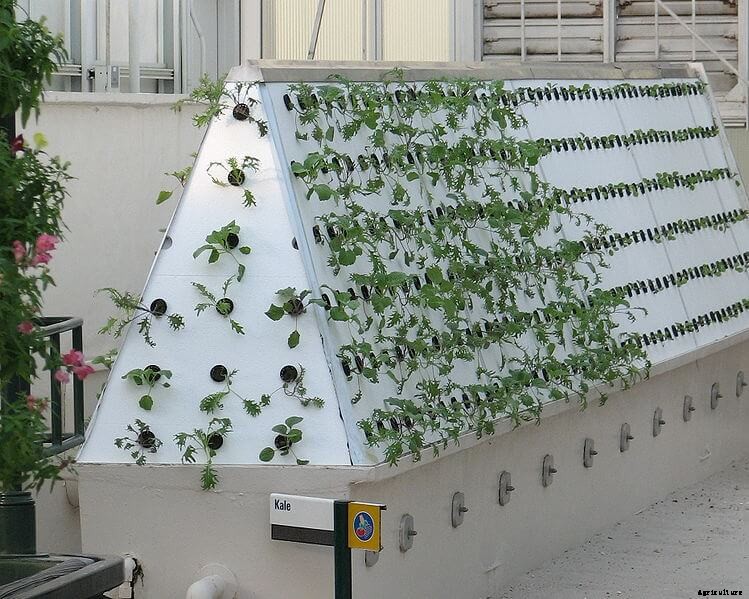
Photo by: Benjamin D. Esham / Wikimedia Commons
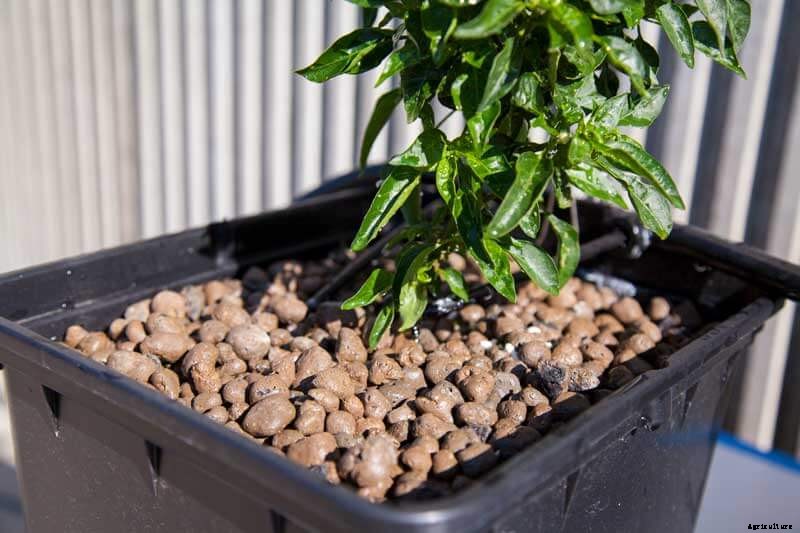
Media-based – Media-based systems are any system that uses an aggregate or fiber media in a container. Media beds and Bato buckets are the two most common methods here. These are great techniques for large-statured crops that need a lot of root support but aren’t always space efficient.
If you’re familiar with any one of these techniques, you know that these are very broad categories, and each has dozens of variations in layout and design. Growers have a lot of choices when it comes to choosing a system!
There are four main factors in choosing a technique that fits you.
Small growers can build almost anything themselves. When you start getting to commercial scale operations, you should find an electrician, architect, and help with planning. This is especially important for commercial growers because mistakes are much more costly at a large scale, and there’s usually much less margin for error.
Don’t miss the Choosing Your Production Method course to learn about all of these methods in more depth. Or check out our Ultimate Guide to Starting a Farm for more tips on planning your facility!