
Welcome to Modern Agriculture!

As with any business, starting and running a farm is a tough process. New farmers must plan a business, research their markets and sales models, build facilities, and more. Whether or not a farmer starts the farm alone determines their workload, farm growth, and business structure. Because the impacts of a partnership are so far-reaching, choosing the right farm business partner can make or break a farm.

With a great partner, balance of responsibilities and rewards can be established. With the wrong partner, farms can struggle and suffer due to unforeseen consequences. This article will explore how to select the right business partner for your future farm.
There are a few perks of having a partner:
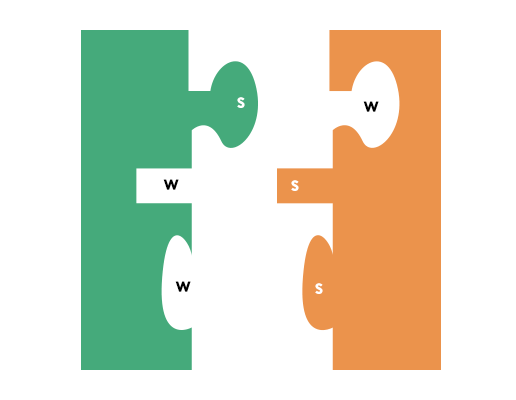
A good fit will compliment some of your weaknesses and vice versa.
There are also a few downsides:
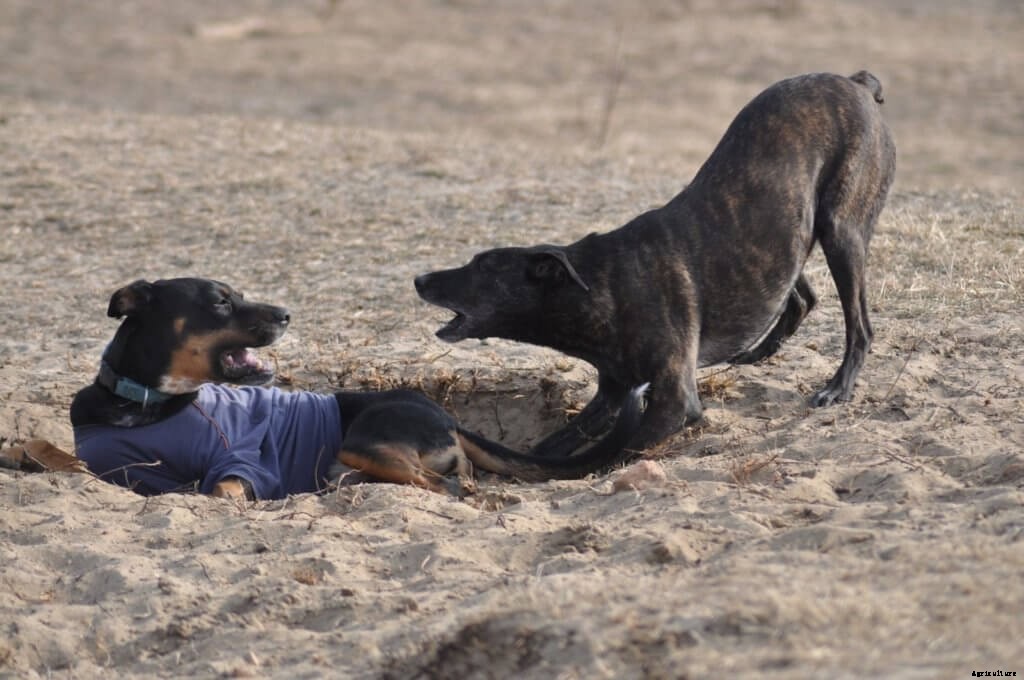
We’ve seen a few business partnerships fall apart. In fact, the only reason we’ve ever seen a well-planned farm fail is due to a crumbling business partnership. Here are a few examples of these sad circumstances:
Unclear responsibilities
One common partner split happens when business partners are best friends that didn’t set up their responsibilities and parameters from the front. Both think the other is supposed to be responsible for critical tasks which fall through the cracks, stunting farm growth.
Stress on your personal relationship
Another example of an unfortunate partnership is between family members whose personal relationship is affected by the stress of starting a business. Ultimately, they decide that their relationship is more important than the business; but perhaps they could have both with more council, months earlier.
Different vision and goals
A common problem that crops up between business partners is a difference between how they envision the farm’s future. In one startup, the two partners didn’t establish a long-term plan for their farm and split over different goals.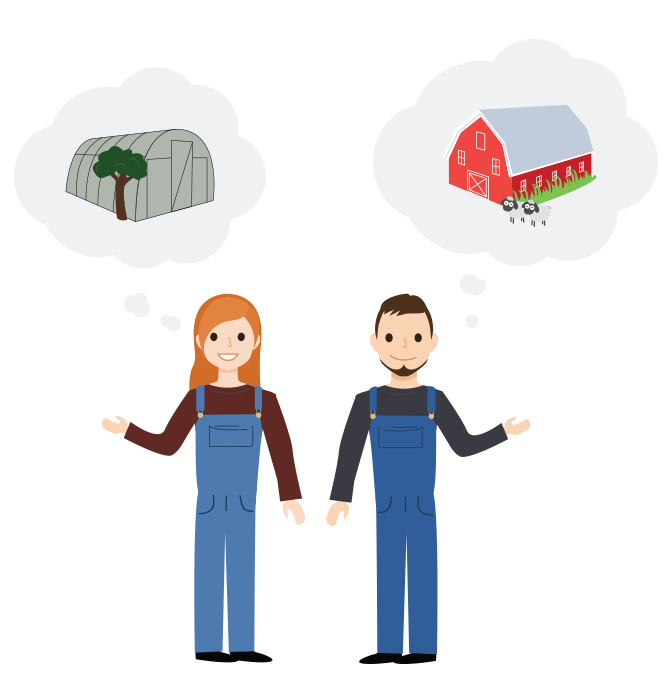 95% of these bad situations can be avoided. Before choosing a business partner, walk through these four steps.
First, you should think about some of the essential qualities that you’d like in your business partners. Don’t get too excited. Remember, this is the perfect partner to help manage your business, not an impossible fantasy. Ask yourself these questions:
Many experienced and talented farmers have the skills and time to dedicate to managing a farm by themselves 24/7. Many more farmers have partners that help them run their businesses, finance their farms, or handle elements of farming unfamiliar to them.

Partnerships are ultimately an expression of a personal relationship. If you’re hoping to begin a partnership with someone you’re familiar with, you likely already know why you hope to work with them. For those on the search, we’ve outlined some important qualities.
No matter a potential partner’s resume, how proficient they are at essential tasks, or how many opportunities they offer to your potential farm, if you can’t get along, they’re a bad pick for a partner. A successful partnership should feature healthy communication, mutual respect, and work efficiency. Conversely, if you find yourself struggling to empathize with your partner, getting in constant arguments, or managing unequal workloads, you need to reconsider your partnership.
Becoming best friends isn’t essential, but being able to work in a professional capacity is the bare minimum required from a business partner. Carefully consider partnering with anyone in your personal life, especially friends, spouses, family. These intimate connections guarantee that any issues in your professional relationship quickly become personal. Unfortunately, when a partnership between friends, family, or spouses ends, it can be an emotional, expensive breakup. The temporary offense of saying “We shouldn’t be business partners” is better than permanent damage to your relationship!
On the other hand, just because someone is useful to your farm doesn’t mean they need to be a business partner. Becoming a business partner isn’t just a social contract—you’ll be giving up control and potential rewards with each partner. Consider whether or not a skilled laborer might make a better employee than a partner.
Unfortunately, the perfect partner isn’t likely to just drop into your lap. You’ll need to search them out, carefully consider them, and ultimately make a formal proposal to your potential partner. Once you have a good idea of what you’re looking for in a partner, you need to begin your search. Here are a few places to look to first:
1. Consider those who fit the requirements of your partner in your life. While being friends or family should not qualify a person in meaningful capacity to be your business partner, if a friend happens to have the exact skillset for which you’re in need, you’re in luck.
2. Consider your previous professional acquaintances and coworkers. You’ve probably worked with hundreds of perfectly competent people in your life, so take some time to revisit those potential partners you’ve not heard from in some time.
3. Local institutions of business or education are likely places to find potential—those both hungry for opportunity and possessing skills in need.
4. Those with farming experience can likely point you toward other successful or experienced people with the potential for being excellent partners.
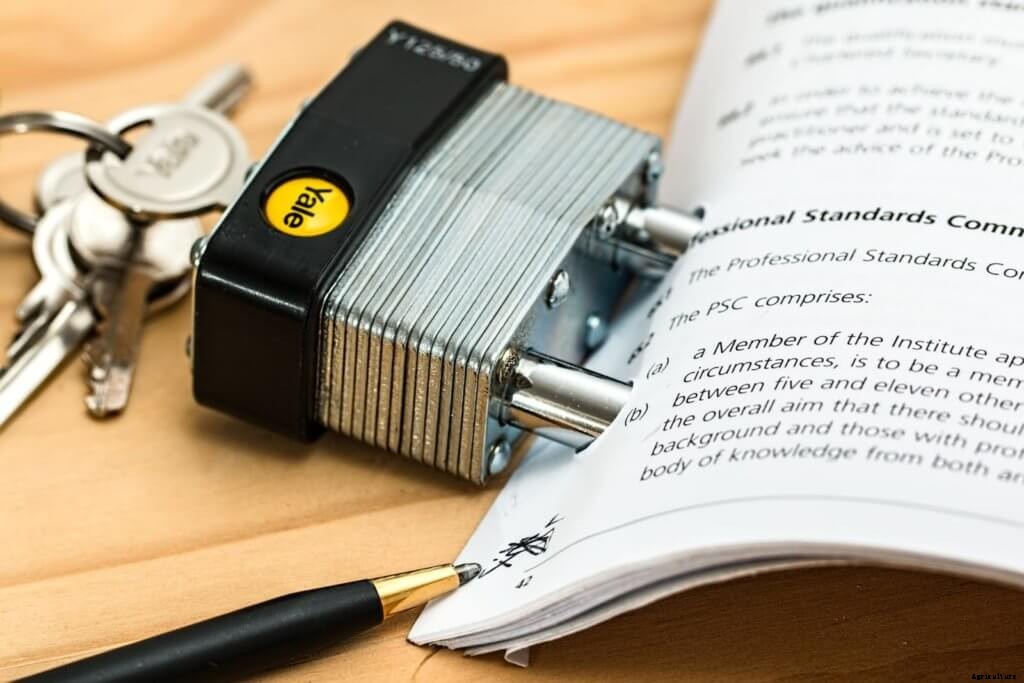
A contract is the basis of any financial relationship. No matter how great a match a partner and you might be, the foundation of any healthy partnership is a contract outlining responsibility and a division of the benefits from owning a business. Make sure to have a lawyer take a long hard look at any business contract you and your partner draw up.
Business partners offer a unique opportunity to bring in another guiding hand for your farm. Partners can offer necessary skills, financial capital, and fresh vision. On the other hand, risks like losing control of your farm, unequal responsibilities, and personalities can make partners a gamble. Think long and hard about whether or not a partner is necessary for your farm, and then even more carefully select those who would make a great partner-fit for your farm.
We’d love to hear any stories, happy or horror, that you have about business partnerships and experience with partnering in farming environments. Please feel free to comment below!


