
Welcome to Modern Agriculture!

This article comes to us from Adam Russell, of Texas A&M AgriLife. It was edited for style and length. For more on this research you can contact Dr. Jay Angerer.
Declining forage quality is costing ranchers almost $2 billion a year, and there’s no sign of the downward trend changing.
That’s what a new study from Texas A&M says. Nutrient content on unimproved native rangelands, especially protein, is dropping due to increased drought, higher levels of carbon dioxide in the atmosphere, and sustained nutrient loss from grazing. “All have the potential to reduce cattle performance by reducing the nutritional quality of forage,” says researcher Jay Angerer.
Declining quality means cattle have become increasingly stressed for protein over the past two decades, likely reducing cattle weight gain. The research estimates it costs producers an additional $1.9 billion annually to meet the U.S. cattle herd’s protein needs with supplemental feed.
“There are financial implications for producers and eventually the consumer,” he said. “Producers already have enough to worry about, and if their supplemental feed costs go up, their margin shrinks, and that may lead to a decision on whether to stay in the business or get out.”
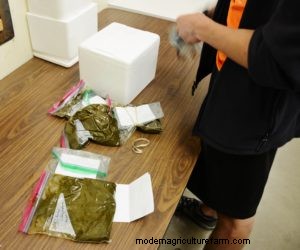
The conclusion that forage quality was declining came out of 36,000 manure samples collected from U.S. cattle between 1995 and 2015. Texas A&M’s Grazing Animal Nutrition Lab at the Temple Center uses manure samples as a way to estimate the dietary quality of the producer’s forage, especially looking at crude protein and total digestible nutrients. This information is used to optimize supplemental feeding regimens for the producers.
The look at manure samples collected over a 20-year span showed that digestible organic matter and crude protein quality were declining. Over 20 years, available crude protein decreased 1 percent which amounts to an average 10-pound loss per head without supplemental feed.
Angerer said the downward trend in nutritional value on rangelands poses a measurable concern for producers and consumers in the future. The U.S. had 86 million cattle that were not on feed, including 27 million calves, in July 2015, according to the study.
Angerer said potential losses depend on the rangeland, the animal’s production stage, growth, lactation, gestation, the season, temperatures and other factors that could increase the amount of supplemental feed to make up for the crude protein losses.
“These aren’t large differences after 20 years, but if that trend continues for 60 years it might get into something that makes a large difference for production capacity,” Angerer said. The reduction in forage quality creates what Angerer and the other researchers labeled a “protein debt.”
The study concluded the protein debt is likely to grow “if the drivers of the reduction of protein in plants cannot be identified and reversed, or adaptation strategies enacted” and could lead to net losses in cattle production.
Enriching native grasslands with nitrogen is discussed in the study, but fertilizing millions of acres would be counterproductive, Angerer said, so producers face higher supplemental feed costs or the cost of establishing improved pastures for grazing.
In 2010, the U.S. Department of Agriculture’s Natural Resources Conservation Service ramped up its conservation stewardship program that provides incentives to producers who participate in the studies.
Angerer said participation in the NRCS program is picking up. Last year, producers turned in 19,000 samples for analysis, with most coming from the Great Plains area. Most participating producers send in six samples per year. If you’d like to participate, check with your local Natural Resources Conservation Office.
The samples will continue to be analyzed to assist producers’ supplemental feeding programs, added to the long-term forage quality study and held in storage for future research.


