
Welcome to Modern Agriculture!


You know how we always tell you that leaving more leaves of grass results in quicker recovery, and quicker recovery means more forage for your livestock? If you’d like to see that in action, here some videos you’ll like.
This first video is a comparison of the difference in response between orchardgrass continuously grazed to about 1″ height and rotationally grazed orchardgrass left at 3.5 inches tall. It’s taken over a 5 day period.
Here’s the last picture in the series to give you a closer look:
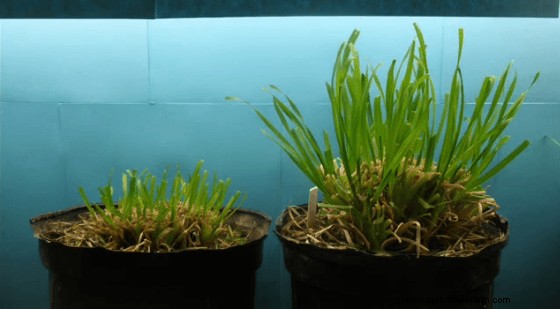
This second video does the same comparison with tall fescue. The grass on the left was grazed continuously to 1″. The grass on the right was rotationally grazed to 3.5 inches.
Again, here’s the final picture in the timelapse:
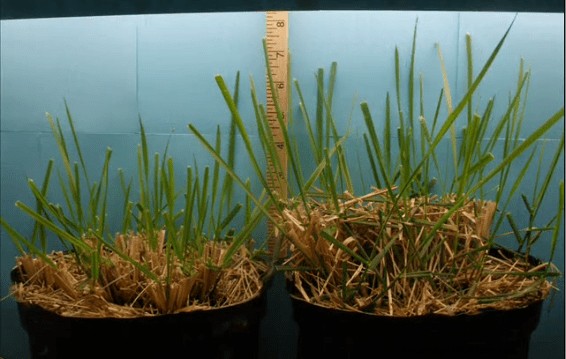
It’s also interesting to compare the responses of different grasses. This last video compares orchardgrass on the left to fescue on the right. Both were “grazed” to 3.5 inches once a month. The video takes place over 7 days.
Here’s the last picture from this timelapse series:
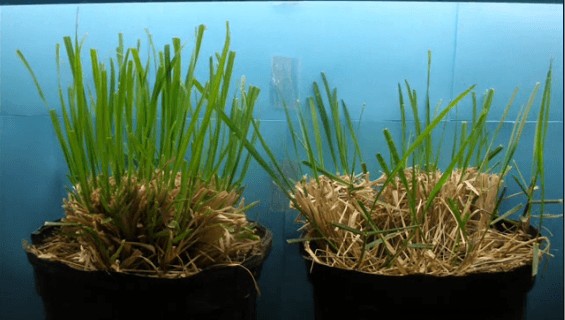
What kind of ideas do these videos give you?
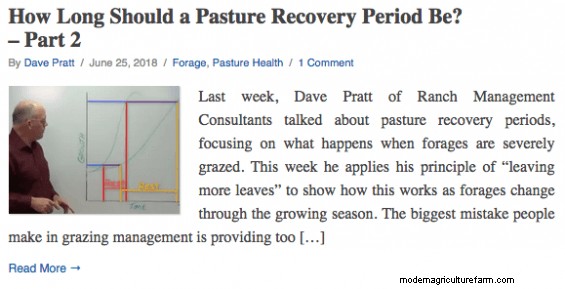
Of course, time of year that grazing occurs and the amount of rest between grazings all factor in to the complex task a grazier has of managing stock. For more, check out this two-part series from Dave Pratt about grazing heights, rest and recovery times, and seasonality.


![Can Grass Grow In Clay Soil? [Inc. The Best Kinds To Use]](https://modernagriculturefarm.com/article/uploadfiles/202211/2022111623292698_S.png)