
Welcome to Modern Agriculture!

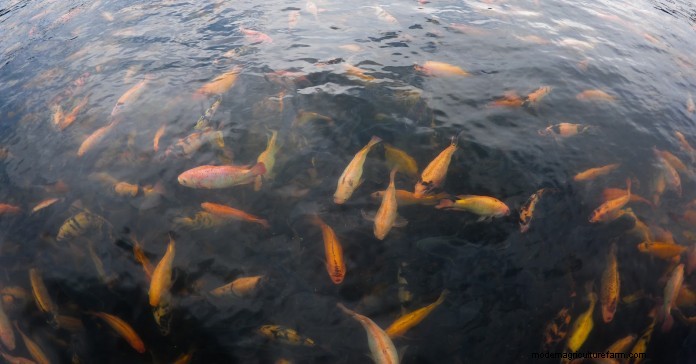

Photo credit: Bytemarks
There are always companies in the spotlight setting bad examples, but the majority of farms strive to achieve cleanliness to keep their fish healthy, and in turn, keep you healthy when you eat them. Farmers tend to keep their enclosures clear of dirt and deceased fish because it’s favorable not only to their fish, but it’s optimal for them and their profits too. There are quality standards and organizations that can help you choose safely and cleanly farmed fish like the Aquaculture Stewardship Council. Certifications are also given to fish farms that abide by certain practices—so do your research and look for certifications like Best Aquaculture Practices Certification.
It can be hard to know whether a fish is farmed and properly fed, but the certifications and organizations above can definitely help. If you can’t find those signs, look for a company you can trust, like Regal Springs, that focuses on well-farmed, well-fed fish.
4. Farmed fish isn’t fresh.
The further away you are from the ocean, the harder it might be to find the freshest seafood. But just because you don’t have a water view doesn’t mean that farmed fish isn’t fresh—advancements in packaging and shipping allow for fish to be delivered to your closest grocery store without sacrificing taste or quality. For example, organizations like the Aquaculture Stewardship Council and our very own thehealthyfish.com can help you find fresh, responsibly-produced seafood. Look for companies you recognize when buying fish and remember, you can look for brands too. Just like there’s Angus Beef to tell you when you’re buying a good steak, companies like Regal Springs let you know when you’re buying high quality Tilapia.
5. Fish from a farm doesn’t taste as good as wild fish.

Lake grown Tilapia taste better on a primarily vegetarian diet, so taste comes down to what the fish are eating when it gets to your plate. You are what you eat, they say! Ultimately, the quality of water and food can affect the way fish taste, no matter if they’re wild or farmed, so make sure you’re buying from a producer that feeds it’s fish well and cares about water quality, too.
Fish can be farmed in safe and healthy ways—for both you and the fish. Make sure you do your research and choose a fish that meets your needs taste wise, but also takes the environment and the people raising them into consideration too.
Photo credit: Regal Springs


