
Welcome to Modern Agriculture!


What fish to consume—and more importantly what fish not to consume—can be confusing to find accurate information about if you want to improve your diet. One day it’s recommended that Americans consume two or more servings of fish per week, then the next we learn that some fish contain high levels of mercury that could prove toxic. Luckily, certain farmed fish, like sustainably farmed Tilapia, bypass all of those issues by being naturally low in mercury, rich in minerals like calcium and potassium and having heart-healthy omega-3s. The truth is that while certain fish can vary in nutritional content, it’s often depdendent on whether they are farmed or wild. For example, farmed salmon have fewer omega-3s but more folate than wild salmon—each type of fish offers their own important health benefits.
Ok, let’s address the elephant in the room: according to some outlets, eating farmed fish like Tilapia is as bad for your health as eating bacon. This sensationalized headline was debunked many years ago, but unfortunately continues to persist. When you look at the data, Tilapia is by far the healthier option, because while bacon contains heart-disease causing saturated fat, Tilapia is low in fat and high in protein. Additionally, Tilapia has been shown to help with weight loss and weight maintenance and is a crucial part of a low cholesterol diet.
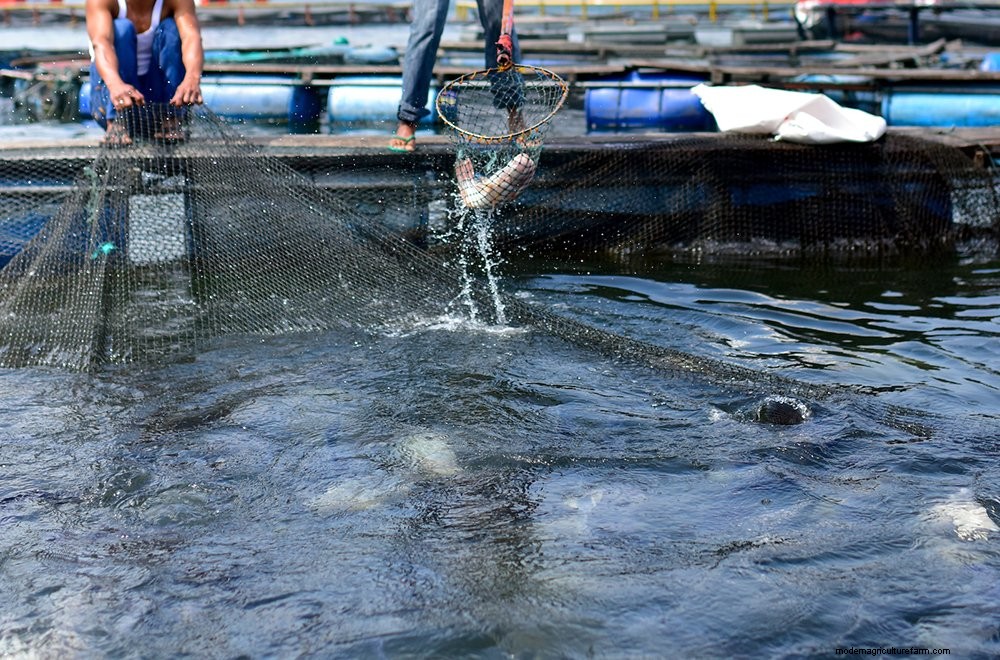
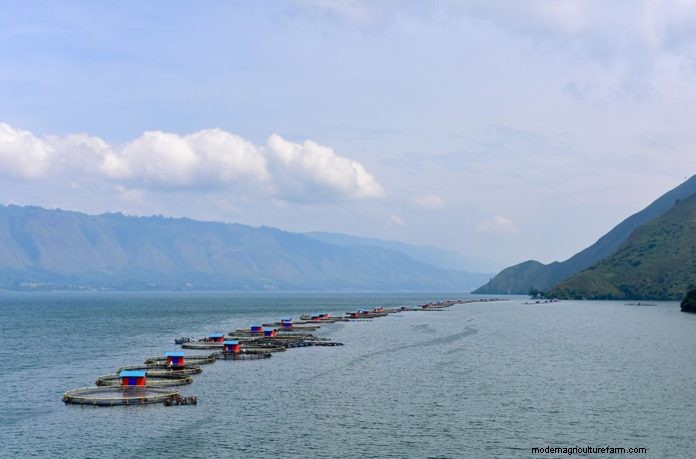
Some people are afraid that farmed fish is dirty and that they consume mud, waste or other detritus found on the the floor of the rivers and lakes they swim in. This is simply not true. Unless the fish are starved, they will not consume anything other than a plant based diet. Additionally, if fish are kept in spacious, floating cages and water quality is monitored, there is no need for concern about farmed fish being overcrowded or that their waste is polluting the bodies of water they are farmed in.
The next time someone tells you that farmed fish is as bad as pork, or that they feed on mud, you can offer them these facts and inform them that, if done responsibly, fish farms can actually help sustainably feed the world.
Learn the truth behind other fishy falsities with Common Myths About Frozen Fish.
Photo Credits: Regal Springs

