
Welcome to Modern Agriculture!

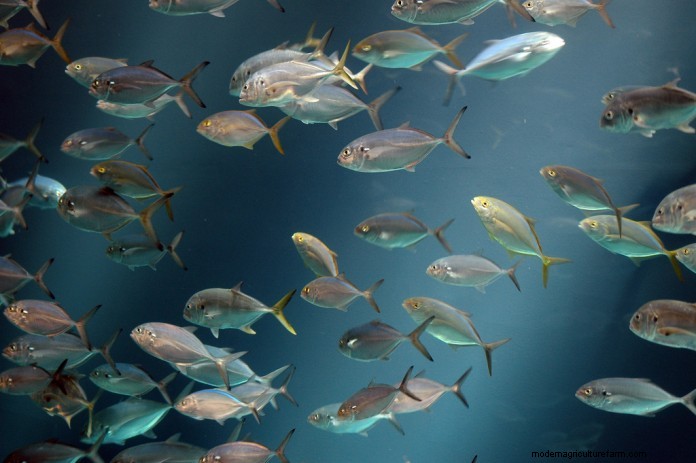

Photo credit: Andrey Armyagov / Shutterstock
Bycatch refers to the incidental capture of “non-target species” such as dolphins, marine turtles and seabirds through fishing. We tend to think that fish caught in the wild are always better, but if they are caught commercially, there is a good chance there was bycatch in that net as well. More fish than you might think are caught this way and it’s a big contributor to the deaths of endangered aquatic species worldwide. One way responsible aquaculture practices can help the earth is by eliminating bycatch altogether. When fish are raised in a floating cage, you know that unwanted species aren’t being accidentally caught.
4. Shellfish clean our waters.
Seafood like mussels, oysters and clams are good to have in our waters, as this report states. By using filtration systems within their own bodies, these animals actually purify the water around them. They even remove dangerous pathogens and chemicals by absorbing them.
5. Fish are important to ecosystems.

Photo credit: Sekar B / Shutterstock
Through their daily, seasonal and yearly migrations patterns in lakes, rivers and oceans, fish are able to contribute to their surrounding ecosystem in a variety of ways. Not only are they a food source for several species, but they also provide links between ecosystems through their daily migrating, feeding and resting areas. In lakes, certain fish are able to “transport and redistribute phosphorus and other essential nutrients between the shore, pelagic and deeper bottom zones.”
6. Fish are bioindicators.
Because of their continuous exposure to water conditions, fish make excellent indicators of biological and ecological health. Through monitoring their responses (whether it be changes in growth, migration patterns, chemical toxicity, distribution due to water pollution) fish are essential to better understanding the overall conditions of their species and surrounding ecosystem.
Whether it’s their natural ability to transport essential nutrients between the shore and the deeper bottom zones or the fact that consuming them reduces CO2, fish are not only delicious to eat—they play an essential role in our ecosystem.

