
Welcome to Modern Agriculture!

Another cause for concern when it comes to wild fish is the destruction of marine habitat. In Alaskan waters alone, a fishing method known as bottom trawling removed over one million pounds of deep water corals and sponges annually between 1997 and 1999. These corals and sponges are important habitats that provide food and shelter for marine species.
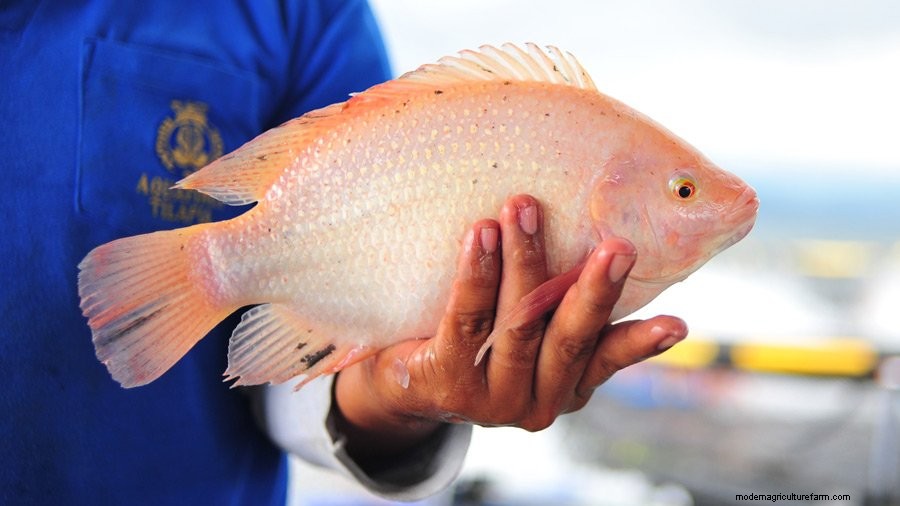
Furthermore, it’s common for “bycatch” to occur when fishers drop their nets and trawls. That means unwanted fish, rare corals and endangered fish are caught up in a fisherman’s haul. This collateral damage can amount to up to 90% of a fisherman’s total catch. That’s why fish farms who work hard to raise their fish right and help the environment are a much greener option. When fish such as the Tilapia at Regal Springs are raised in floating nets, there is no risk of bycatch and the impact on the surrounding environment is minimal as the lake bed is not scraped by nets or trawls.
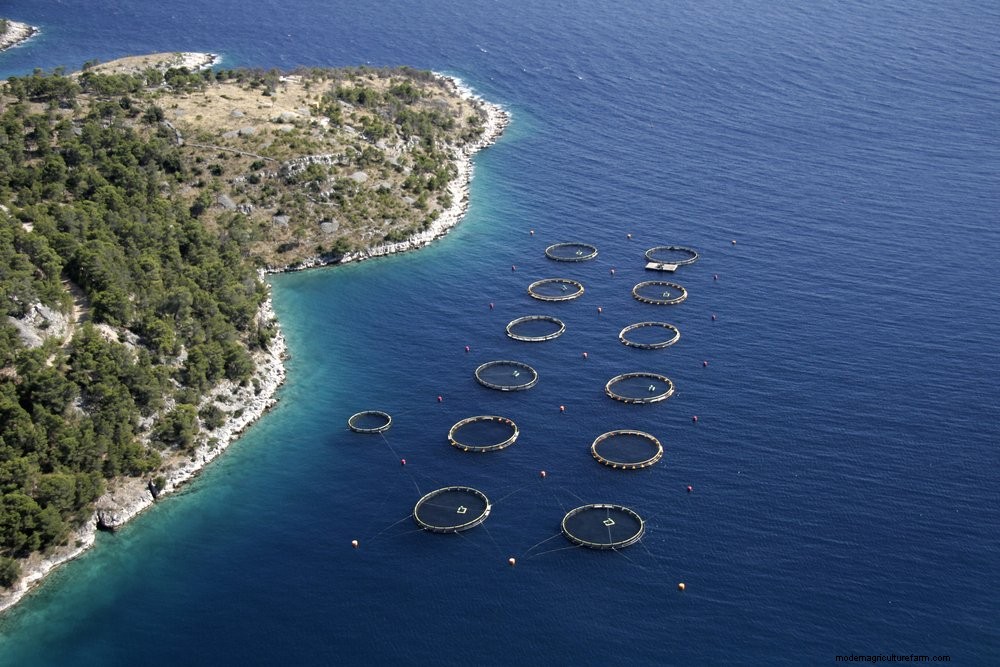
While wild fish may seem like a cleaner, more natural choice, they are often the cause behind the production of a large volume of greenhouse gases. In order to source wild fish, one must send a fishing boat out into the ocean, have it run while the fish are caught, send the fish back to shore, then drive the fish to the packaging facility before they’re driven or flown to your local grocery store. This results in a large carbon footprint that’s really not environmentally friendly. Meanwhile, fish farms are able to catch, clean and package the fish all in one facility, which results in a much smaller carbon footprint.
While it’s true that some fish farms have irresponsible, environmentally unfriendly practices, farms such as the ones run by Regal Springs, the world’s largest premium Tilapia producer work hard to ensure the environment isn’t harmed during the fish farming process. In fact, due to the environmental efforts of some seafood companies like Regal Springs, both the natural world and the communities around them actually benefit from their existence. With such high stakes for our oceans and lakes, choosing your seafood from an ethical fish farm (be sure to check the country of origin on the label!) can truly make a world of difference.
Photo credits: Strahil Dimitrov / Shutterstock.com, Regal Springs, mrak.hr / Shutterstock.com
