
Welcome to Modern Agriculture!

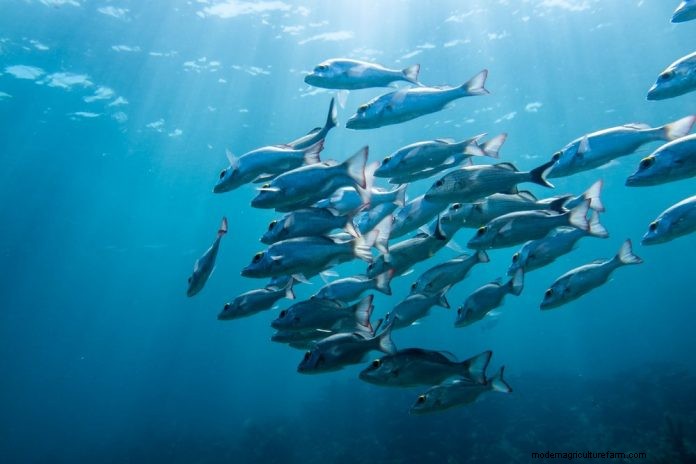
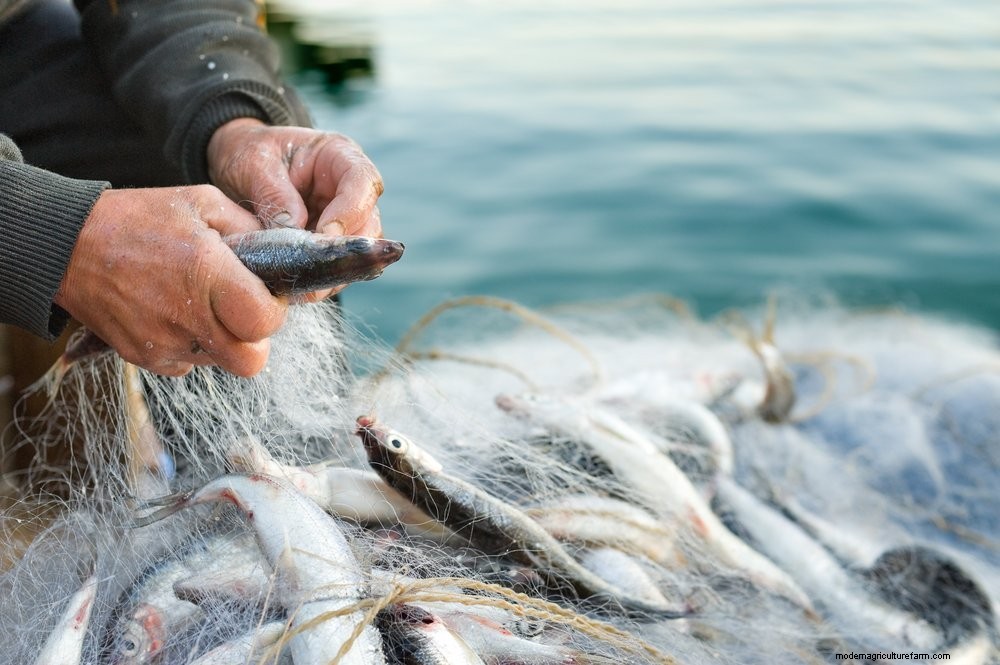
While aquaculture, often called the “Blue Revolution,” helps relieve the pressure of wild stock, you don’t need to stop purchasing wild caught fish altogether. Plentiful, non-threatened, wild-caught fish help feed the world’s demand for a lean source of protein.
Whether farmed or wild is a better choice depends on the type of fish and the area. While some fish, such as Tilapia, are fed a primarily vegetarian diet, other fish are carnivores in the wild. It’s not sustainable to catch other fish to feed them. Luckily, fish farmers are beginning to find ways around this. Norwegian Salmon, for example, eat feed pellets that contain 50% marine materials—such as fish oil and fishmeal from sustainable fish stocks and fish not suitable for human consumption—and 50% vegetable material, such as vegetable oil.
Ask your fishmonger for more information about the diets of the fish available for purchase at your local grocery store.
While it may seem that fish farms and fisheries could oppose one another and view the other as competition, many farms and fisheries are realizing the value of working together. In Canada, for example, fisheries and aquaculture ministers have been meeting about ways to collaborate and benefit the country’s waters, fish populations and demand for seafood.
Together they’ve discussed ways they can increase the amount of marine and coastal areas that are protected, increase funding to federal programs that monitor the country’s waters and improve Canada’s fisheries act.
Fish farms and fisheries across the world are working together to adapt to the effects of climate change in the fish industry. According to a report by the FAO, one of the current initiatives is the promotion of rice-fish farming. Common for many years in Southeast Asia, this technique involves trapping wild fish in rice fields and raising them there. The fish provide nutrients for the rice, and vice versa, and farmers are able to harvest two kinds of food at once. This approach falls somewhere in between aquaculture and fishing—and involves cooperation between aquaculture and agriculture, too.
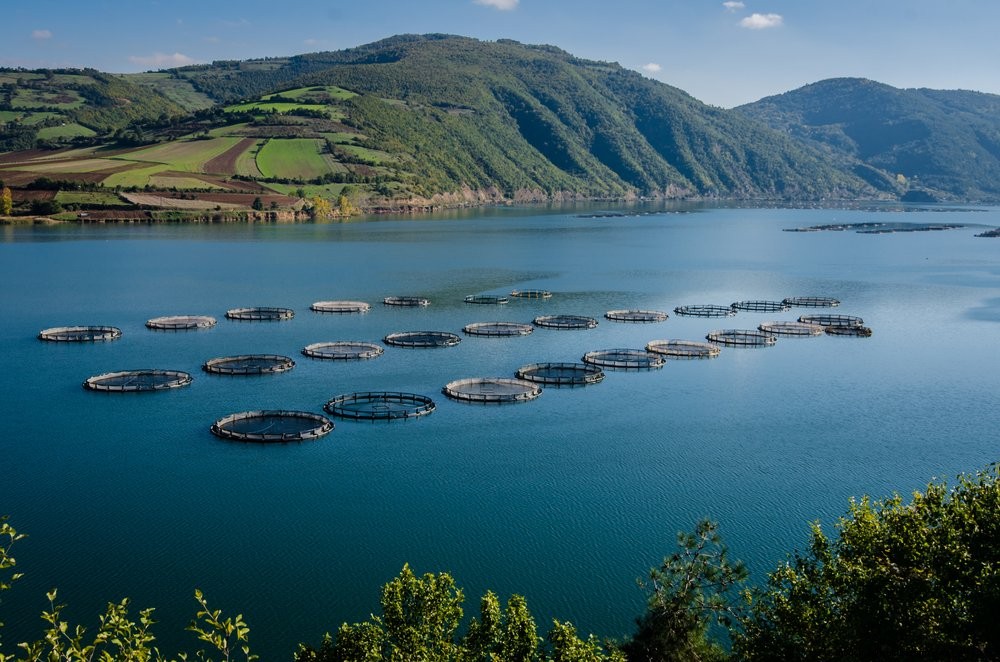
Fish farms and fisheries are both important players in the food world as the population continues to rise. By supporting both reputable fisheries and international, sustainable fish farms, you’re helping ensure that the world’s fish population stays plentiful.
Photo credits: Leonardo Gonzalez / Shutterstock.com, withGod / Shutterstock.com, Capa55 / Shutterstock.com


