
Welcome to Modern Agriculture!

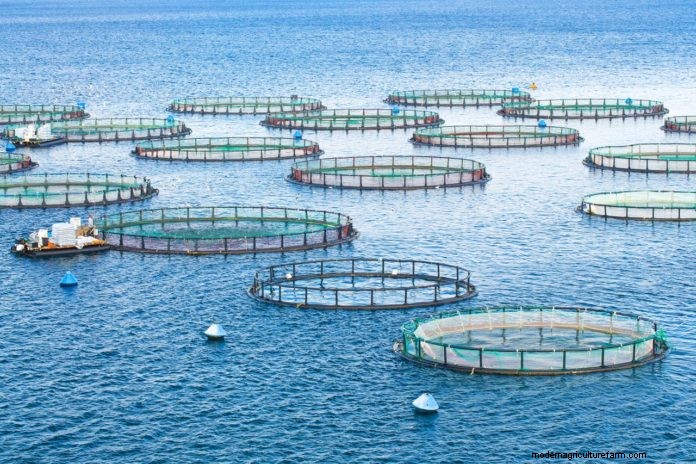
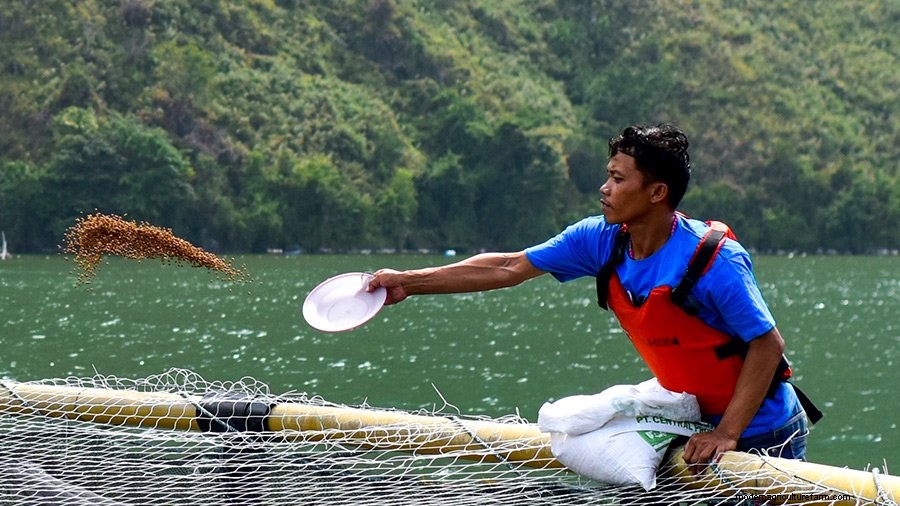
Learning about the origin of fish begins simply with a conversation with one of the many knowledgeable people you already interact with on a regular basis. Your grocer, fishmonger and restaurant server are all great resources for discovering more about the background of the fish you are about to consume or purchase. They’re likely to enjoy sharing knowledge as much as you enjoy learning it. And if they don’t have all the answers, know you are doing your part to promote a dialogue about these important food and wellness issues in your community. Some questions to ask to get the conversation started include:
According to Oceana, 450 million people depend on the ocean as their primary food source. This is why some companies are invested in setting high-quality traceability standards, which can help them trace foodborne outbreaks, and also inform customers of the origin of their fish. Labels from third-party NGOs like the Aquaculture Stewardship Council provide consumers with reassurance that the product they are buying was responsibly farmed, so committing to buying only products bearing this label is a great way to ensure the quality of your seafood.
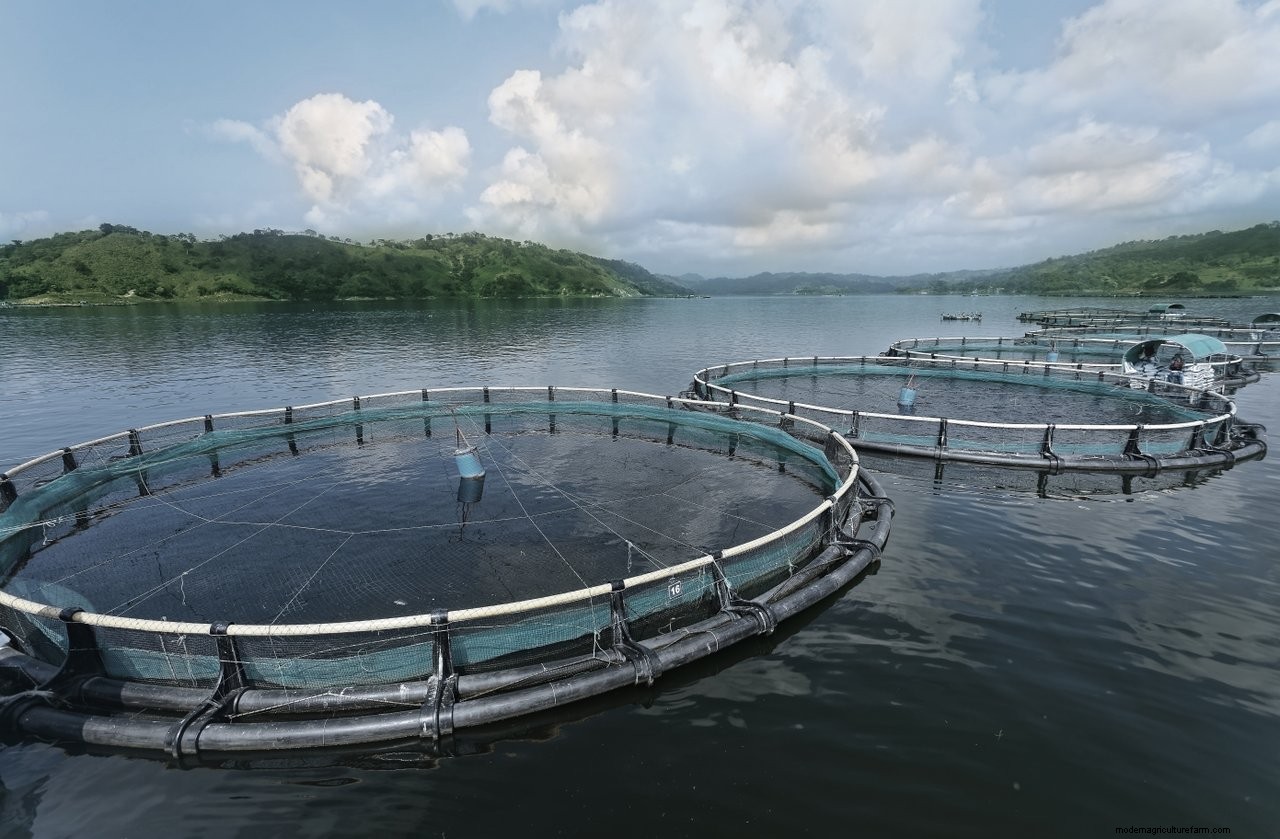
Supporting companies that value transparency with their consumers is another way to make sure you always know where your fish is coming from. Regal Springs, an ASC-certified Tilapia fishery, is committed to providing consumers with rigorous resources in order for them to make the best choices based on available information. Having this information at your fingertips allows consumers a better understanding of what a responsible fish farm is and why not all fish farms are created equal.
Why should you care about where your seafood comes from? According to NOAA, 91% of the seafood consumed in the U.S is imported, so most of the fish you eat will originate a little further afield than that neighborhood stream. But you can still be a responsible consumer by consuming fish from responsible sources that don’t threaten certain species with extinction. It’s by making responsible choices like this every day that we can all help the farm to plate movement become the global standard for food production.
Want to learn more about your food’s origins? Check out What does Responsibly Raised Fish Mean, and Why Should You Eat It?
Photo Credits: Slavko Sereda / Shutterstock, Regal Springs
