
Welcome to Modern Agriculture!

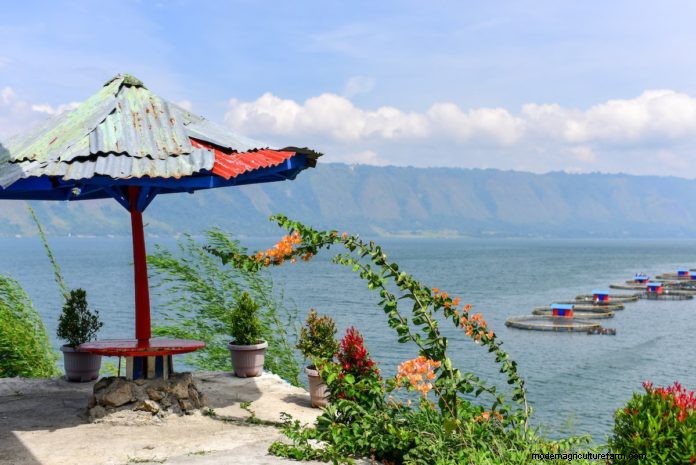
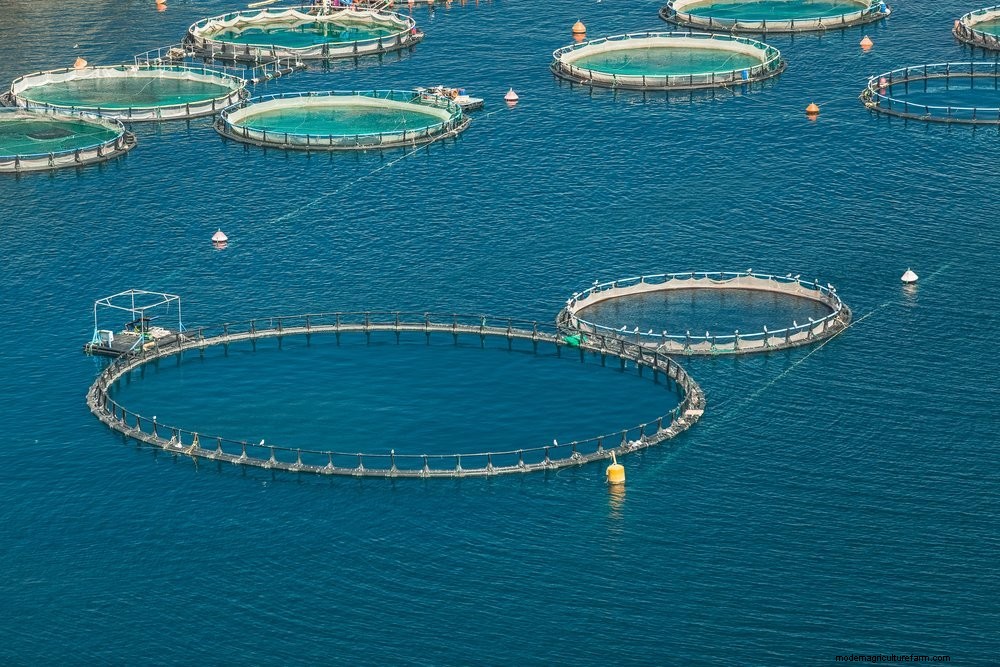
The Tilapia we eat is farmed and not caught wild. In fact, over half of the seafood we eat comes from fish farms, also known as aquaculture. This can take place in either a recirculating tank system as is common in the US and Canada, or in freshwater lakes in floating pens, as is frequently seen in Indonesia, Mexico and Honduras.
Unlike in the wild, farmed fish are closely monitored and it is possible to know exactly what the Tilapia are eating, the water quality and the health of the fish. But as we said above, some Tilapia is farmed better than others, and knowing where the fish came from is important. Some suppliers use antibiotics and poor quality food, or allow the water to become contaminated with waste. Other fish farms, like Regal Springs, hold themselves to much higher standards and have many environmental certifications.
Fish farms are regulated by the countries in which they operate. For example, China is a major source of Tilapia, but in the past China’s Tilapia farms have not been held to standards required by the US. The Environmental Defense Fund has noted that overcrowded conditions, poor quality feed and the use of chemicals and antibiotics are some of the past concerns about Chinese-raised Tilapia.
As a result, the best thing to do is to seek out fish from farms with third-party environmental or aquaculture certifications. A certification from the Aquaculture Stewardship Council (ASC) is one of the best ways to regulate the quality of your Tilapia.
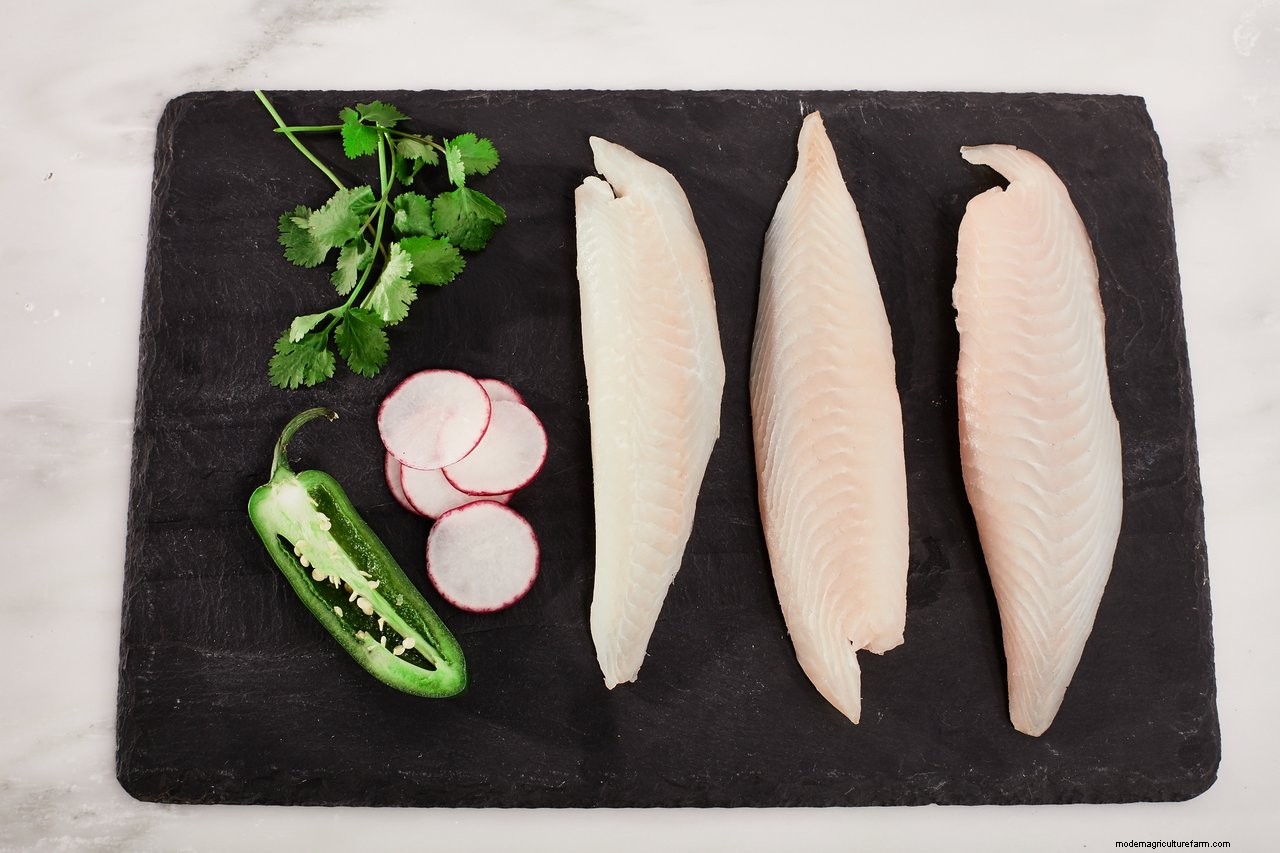
When you are shopping, there are a few things to look for. If you are buying prepared fish, check the packaging for this information. Or if you are buying fresh, talk to your fishmonger.
Like all foods, there are vast differences in quality among suppliers. Many of us shop very carefully for organically-grown vegetables and ethically-raised meat and dairy, but we may fail to pay the same consideration to our seafood. All of our purchasing decisions have an impact on the environment and our health, so it is important to be a conscious shopper with a good handle on what is fact and what is rumor.
Interested in learning more about where your food comes from? Read about how fish farming has evolved over the years and how aquaculture and agriculture can work in harmony.
Photos: Regal Springs, megastocker / Shutterstock Inc., Regal Springs


