
Welcome to Modern Agriculture!

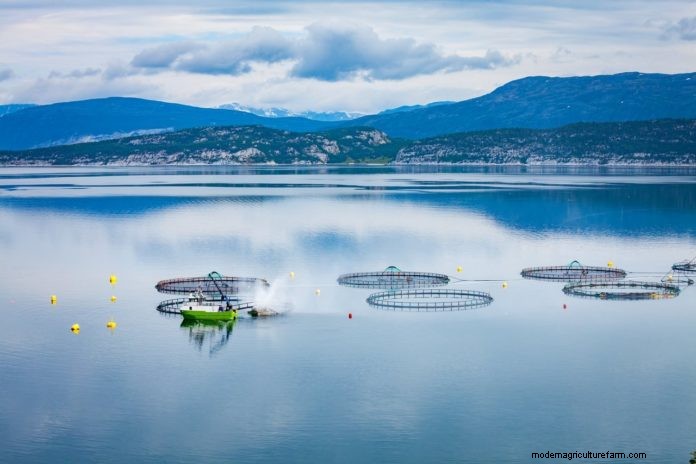
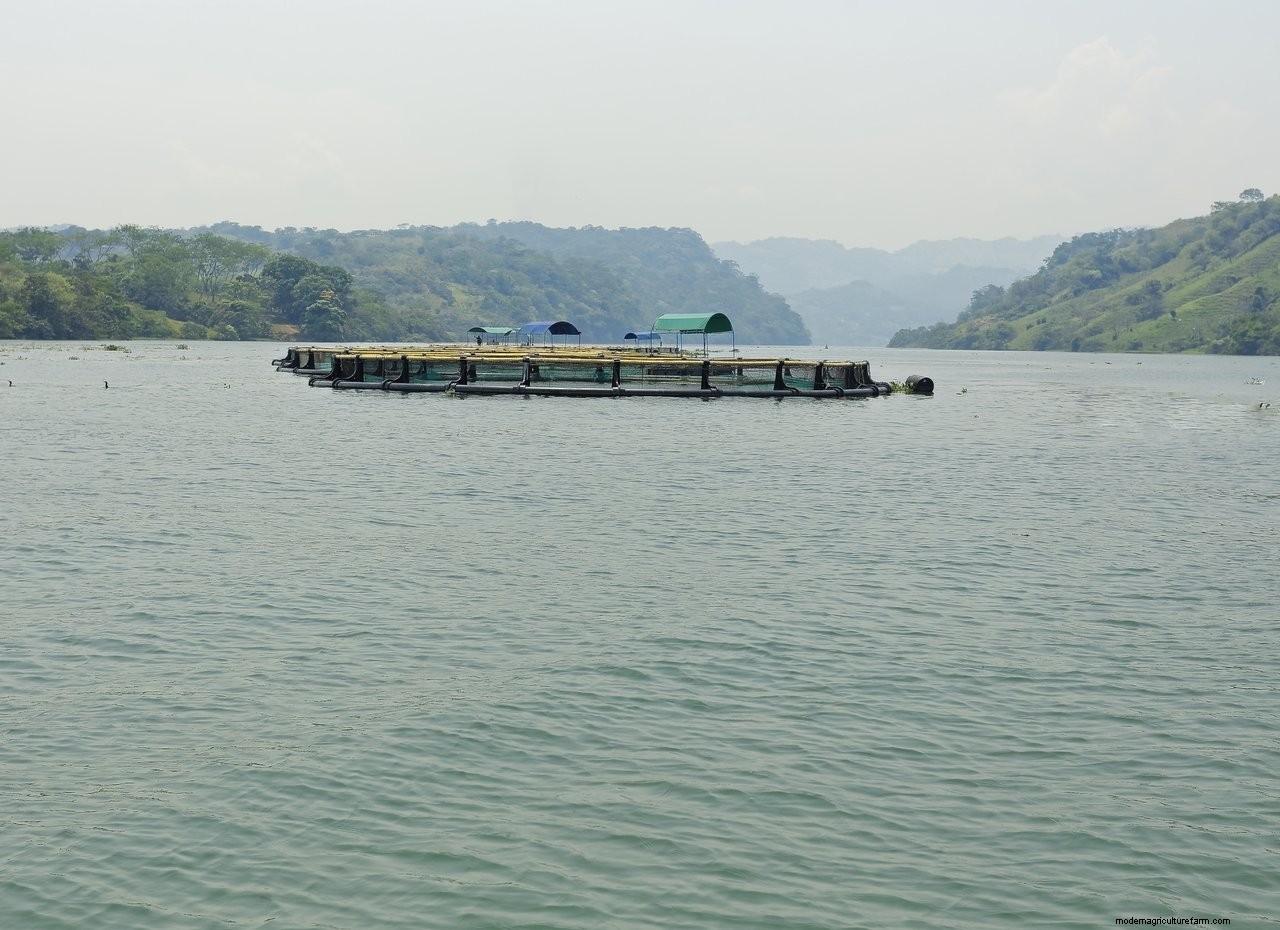 Arriving at a fish farm, the thing you see first is the body of water it’s located in. One of the greatest concerns around aquaculture is its potential to deteriorate water quality in the surrounding areas. Responsible fish farms only take up a small percentage of the available water surface. That way, the native species can survive and thrive alongside their farmed counterparts, and any natural waste can dissipate without affecting the water quality. During operations, these fish farms check water quality constantly to make sure they’re upholding the highest standards of purity.
Moving our tour into the facilities, the fish you find are healthy, natural animals just like those you’d find in the wild. Top fish farms don’t use any hormones or unnecessary antibiotics on their fish stocks, and they steer clear of any other chemicals or additives. Instead, they keep their animals healthy by raising them carefully with wholesome food and clean water.
What do farmed fish eat? Raising carnivorous fish like salmon can cause problems since their feed must be raised or caught in the wild. However, fish like Tilapia can be fed on a primarily vegetable-based diet made from sustainable US-grown crops. At a well-managed fish farm, stocks are fed a diet that has a minimal impact on the environment.
In stores, consumers usually buy fish loins or fillets. Those parts only make up about a third of the fish. So what happens to the rest? At a responsible fish farm, these materials are not discarded, but repurposed in innovative ways:
For the final stop on our tour of a sustainable fish farm, let’s look outside the farm itself and consider the community it’s a part of. Many fish farms are in remote, rural areas of countries like Mexico, Honduras or Indonesia, but the companies that operate them are headquartered elsewhere. Sensitivity to the local communities is critical for thoughtful and well-managed aquaculture operations.
The percentage of fish produced through aquaculture has risen sharply, from just 7% in the 1970s to over 50% today. And as the industry has grown, farming practices have improved in many areas, including sustainability. It has become a feasible way to provide a hungry world with healthy protein.
Related reading:

