
Welcome to Modern Agriculture!

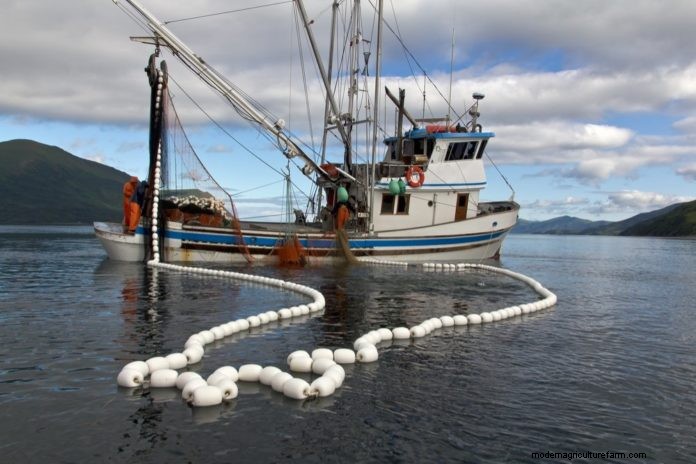
Monitoring how fish are caught is important for wild fisheries. Fishing equipment must minimize impact to local plants and animals. The Kerguelen Islands Toothfish Fishery is a great example of a wild fishery that worked to reduce their impact on other species. Prior to being MSC-certified, they were accidentally killing endangered birds, like albatrosses and petrels. To reduce bird bycatch, the fishery implemented a series of measures to reduce the number of birds killed, which included no fishing during the grey petrels mating season and adding weights to nets so they sink faster. The Kerguelen Islands Toothfish Fishery was MSC-certified at the end of 2013.
Sustainable wild fisheries also refrain from harmful practices like bottom dredging. This is the practice of removing sediment from the bottom of bodies of water. Bottom dredging can hurt local plants and habitats and by extension, ecosystems.
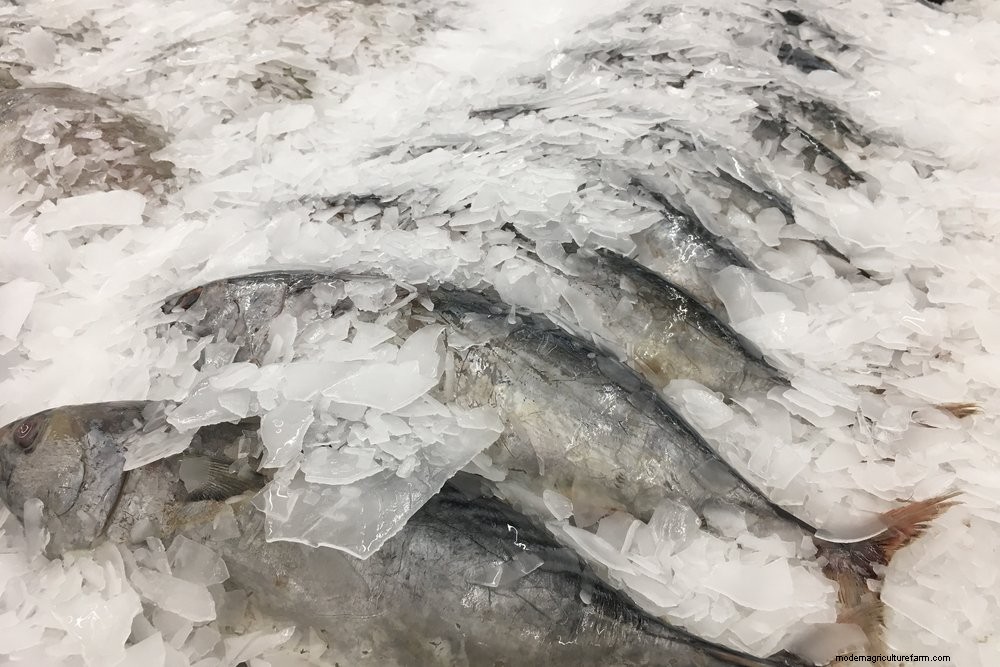
Throughout the entire supply chain, MSC-certified fish from a sustainable wild fishery are separately processed so they aren’t confused with other, non-MSC certified products. DNA-testing has revealed that less than 1% of MSC-labelled seafood is mislabeled. This means that you can rest assured the MSC-certified fish has been marked properly—from net, to shelf and to your dinner plate.
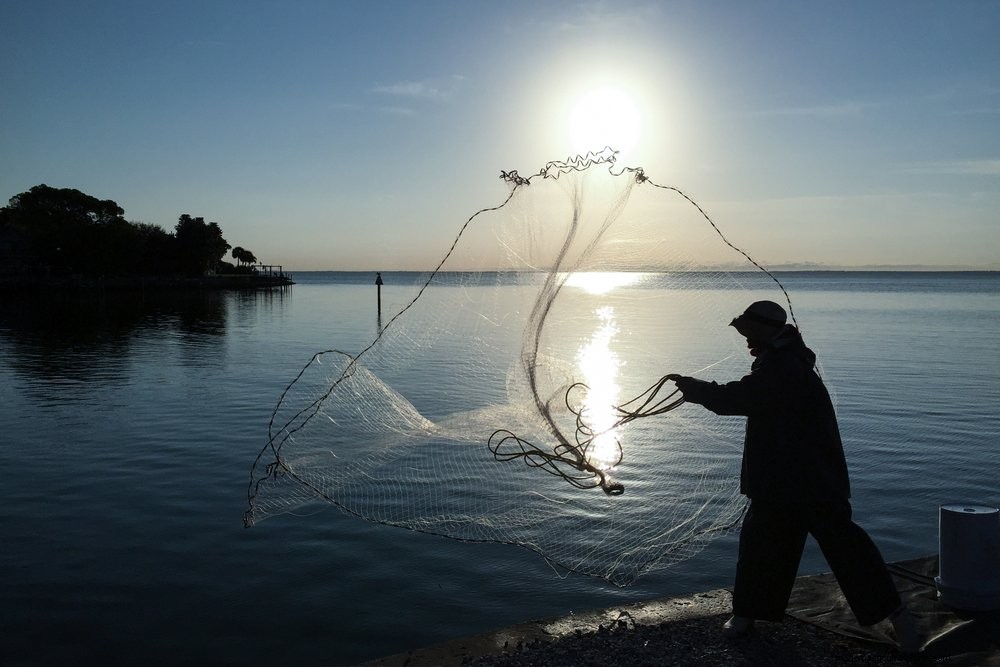
The MSC wants their certification process to be a starting point rather than an ending one. Once a fishery is certified as sustainable, it still needs to demonstrate it is continuously striving to reduce its impact on fish populations and their habitats. 94% of MSC-certified fisheries have improved their sustainability in one or more ways since 2000. In addition, the MSC requires fisheries have a plan of action in case their fish populations don’t replenish as expected. These are just some of the performance standards that the MSC holds their associated fisheries to after they have achieved certification.
Next time you shop for fish and want to know what makes a wild-caught fish sustainable, you’ll have an answer: The rules and regulations for sustainable, wild fish mean only the fisheries with the lowest impact on the environment and fish populations make the cut. Keep your eyes peeled for these sustainable MSC-approved seafood options at more than 38,000 locations—from fishmongers to chain grocers—worldwide.
Related Reading:
Photo Credits: cybercrisi / Shutterstock Inc., PiggyCoup / Shutterstock Inc., Laurel A Egan / Shutterstock Inc.


