Welcome to Modern Agriculture!

Wednesday, 2 March 2022
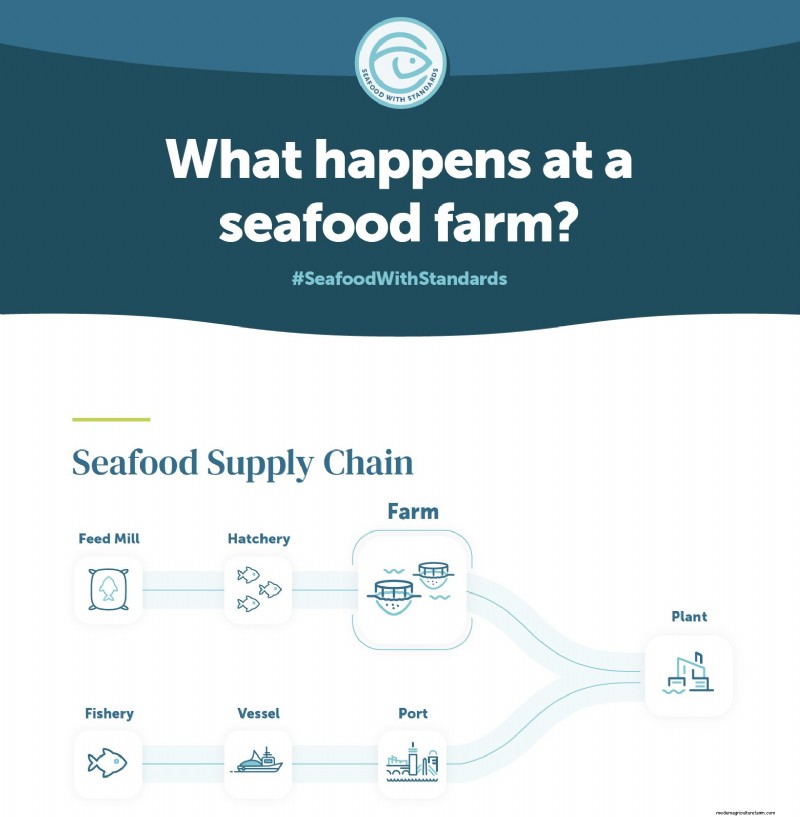
 Note: Each step in the seafood production chain has its own importance, but they work together to create the best quality products for consumers. In the #SeafoodWithStandards campaign throughout 2022, the Global Seafood Alliance will be highlighting each stop along the production chain to pull back the curtain and explain what happens there. This month, we’re focusing on what happens seafood farms – where cultivation of aquatic species happens.
By 2030, 62 percent of all seafood produced for human consumption will come from aquaculture. Today, it’s about 50 percent. So, what is aquaculture?
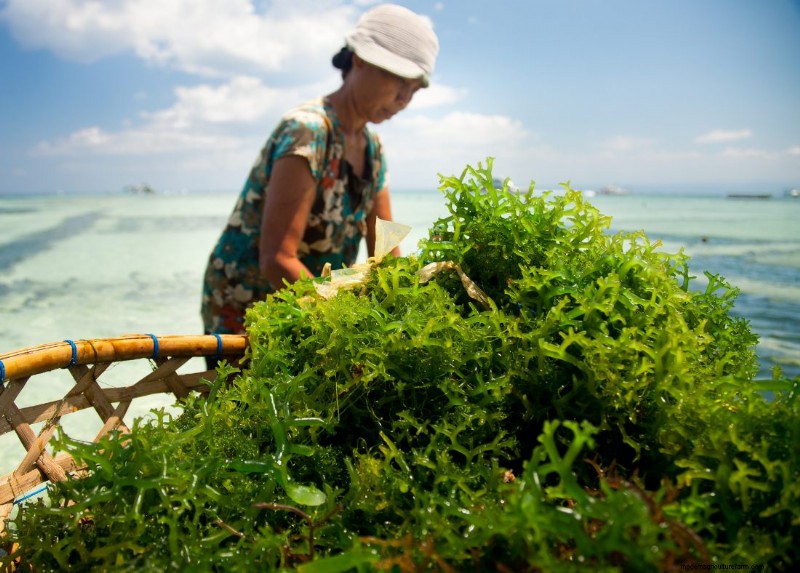
Aquaculture is the controlled process of cultivating and harvesting aquatic organisms, especially for human consumption. It’s a similar concept to agriculture, but with fish instead of plants or livestock. Aquaculture is also referred to as fish farming. The seafood that you find at your local grocery store is likely labeled as farmed fish. Aquaculture can happen all over the world, and it does: in coastal ocean waters, freshwater ponds and rivers, and even on land in tanks.
There are many differing approaches to farming seafood – each one is tailored to create the best possible environment for the species being farmed. Different organisms are grown with different methods to ensure they thrive. To learn about what happens at seafood farms, it’s helpful to think about how different methods of farming are used for different species.
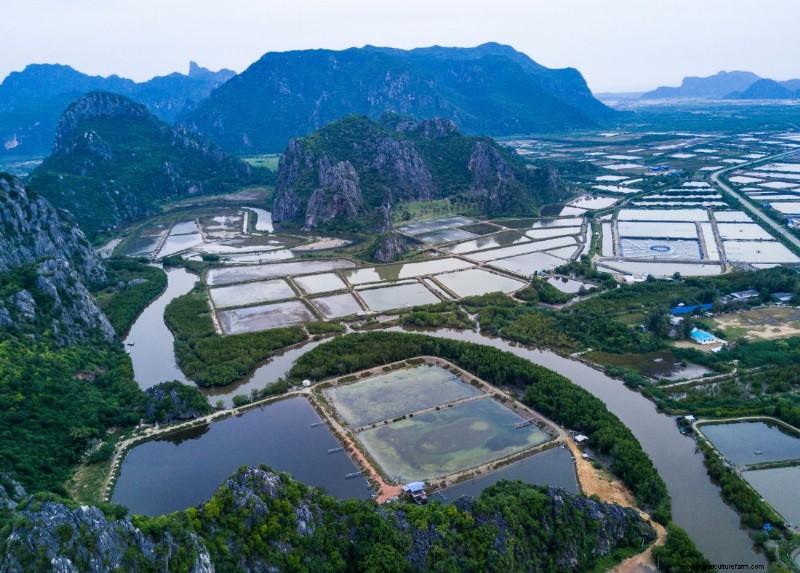 Generally, there are four classifications of farms: land-based (rainfed ponds, irrigated or flow-through systems, tanks and raceways), water-based (cages, pens, inshore/offshore), recycling systems (high control enclosed systems, more open pond based recirculation), and integrated farming systems (livestock-fish, agriculture and fish dual use aquaculture and irrigation ponds).
Some examples of different types of farmed seafood are:
Across all of these methods to farming, there are some general steps of production that are common to each of them:
Without seafood farms, more stress would be put on wild fisheries to provide a consistent source of seafood to the global marketplace.
 As part of GSA, Best Aquaculture Practices (BAP) ensures aquaculture is performed responsibly through its third-party certification program. BAP is the only seafood-specific certification program that certifies every step in the production chain (other programs only certify certain stops along the chain).
Through its BAP farm standards, GSA can verify that responsible aquaculture practices are being used at the farm level. BAP’s farm standards cover finfish, crustaceans, mollusks and salmon farms. Each farm standard covers the four pillars of responsible seafood — food safety, social accountability, environmental responsibility and animal health and welfare. Here are some ways that BAP farm standards address each of these pillars.
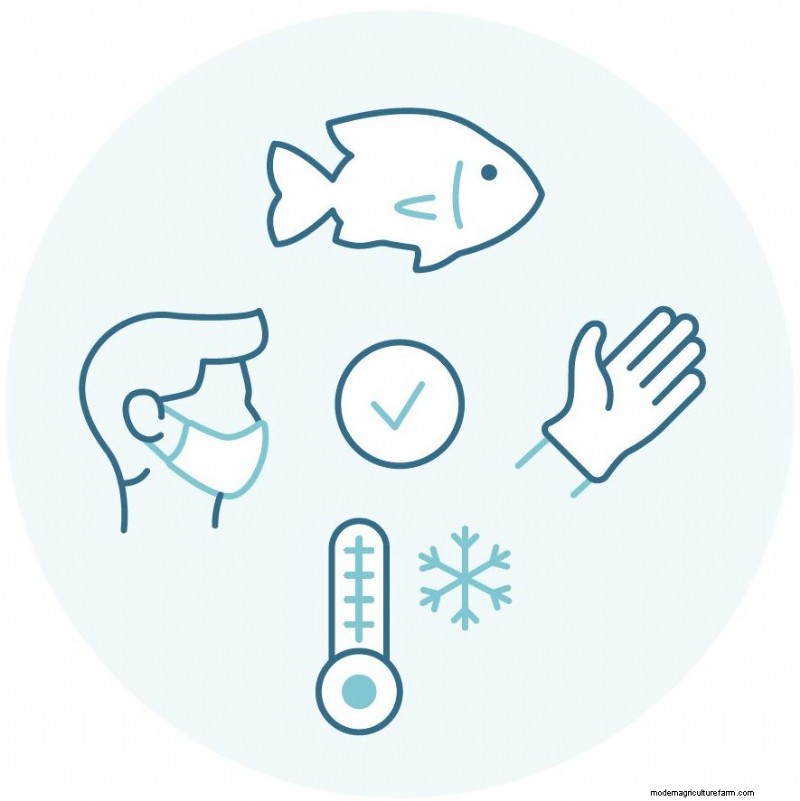
Farms must:
Learn more about food safety on seafood farms in our Aquaculture 101 series.
Blog post: How do BAP standards address food safety?
 Social Accountability
Farms must:
Learn more about social accountability on seafood farms in our Aquaculture 101 series.
Blog post: How BAP addresses inequality in seafood
 Environmental Responsibility
Farms must:
Learn more about environmental responsibility on seafood farms in our Aquaculture 101 series.
Blog post: How do BAP standards address environmental responsibility?
 Animal Health & Welfare
Farms must:
Learn more about animal health and welfare on seafood farms in our Aquaculture 101 series.
Blog post: How do BAP standards address animal health and welfare?