Welcome to Modern Agriculture!

Wednesday, 6 April 2022
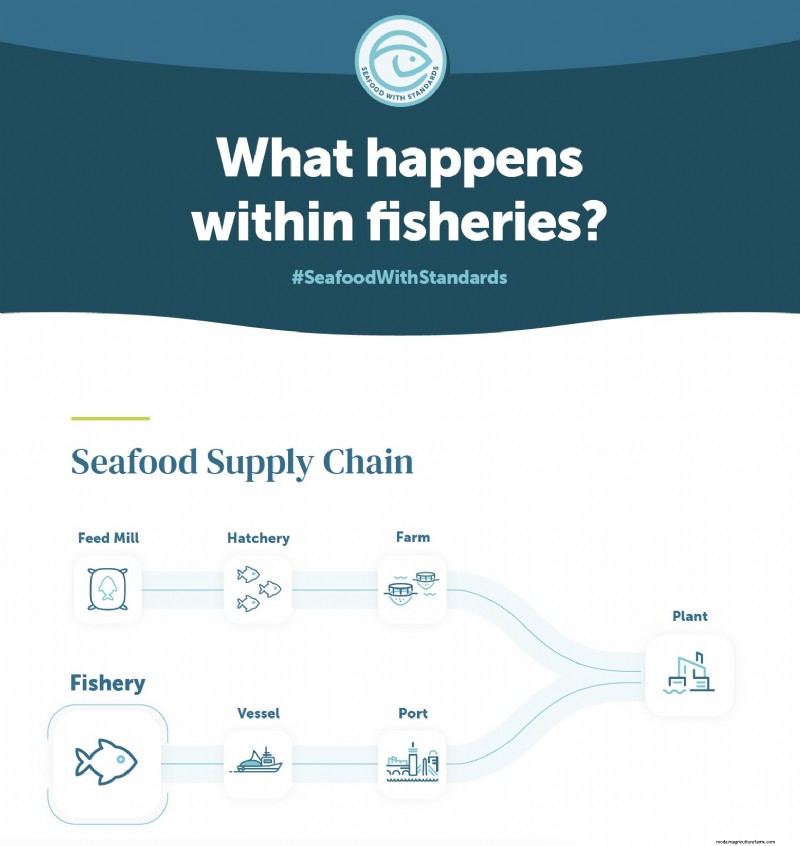
 Note: Each step in the seafood production chain has its own importance, but they work together to create the best quality products for consumers. In the #SeafoodWithStandards campaign throughout 2022, we will be highlighting each stop along the production chain to pull back the curtain and explain what happens there. The next stop we’re focusing on is fisheries, which then leads into vessels, ports and processing plants.
A fishery is a habitat in which fish are hunted and caught. Because of their economic, social and environmental importance, fisheries are governed by complex fisheries management practices and legal regimes that vary widely from country to country.
https://youtu.be/ndylFt5hqdw
The Sustainable Fisheries initiative by the University of Washington says it well: The way that a fish is caught is essential in understanding its sustainability.
Our oceans support a diverse range of fisheries, which are essential to delivering almost half of the global supply of seafood protein (the other half is from aquaculture). The range of species caught through fishing is vast – from lobster to tuna, and salmon to sea urchins.
To learn about what happens within fisheries, it’s easiest to approach it through different commercial fishing methods and gear types.
The most predominant methods of commercial fishing are:
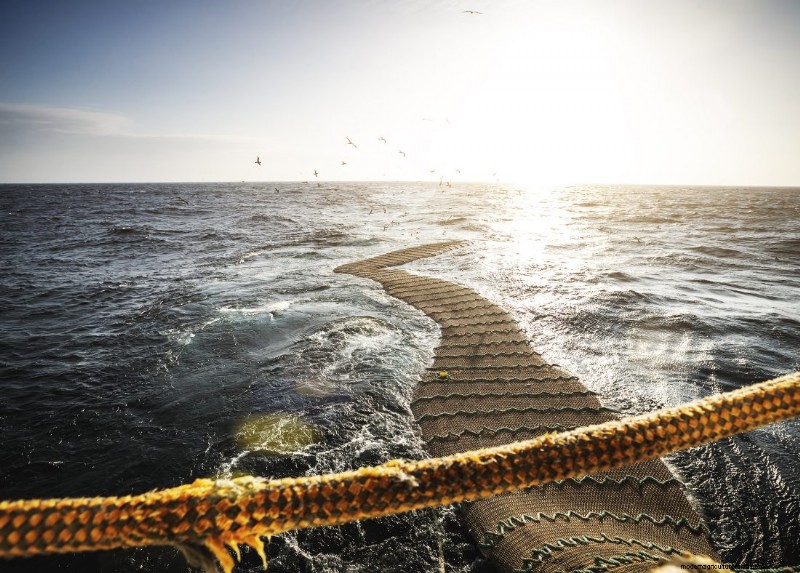
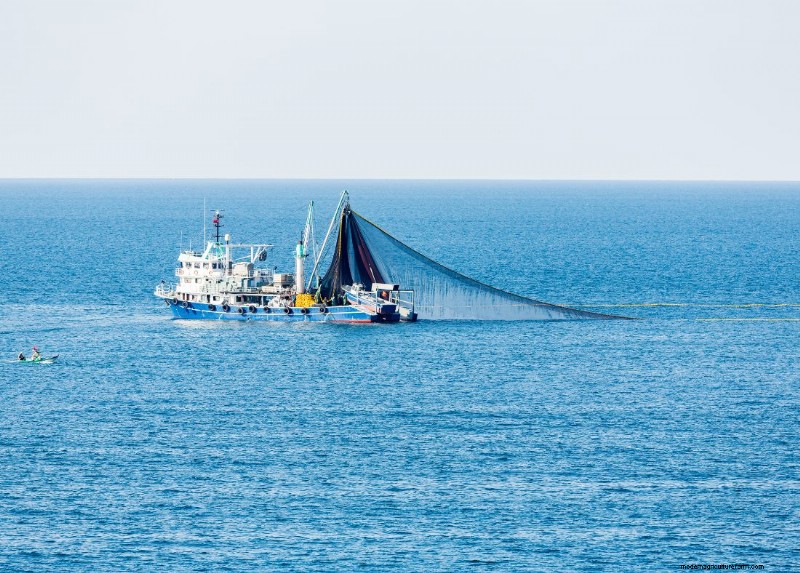
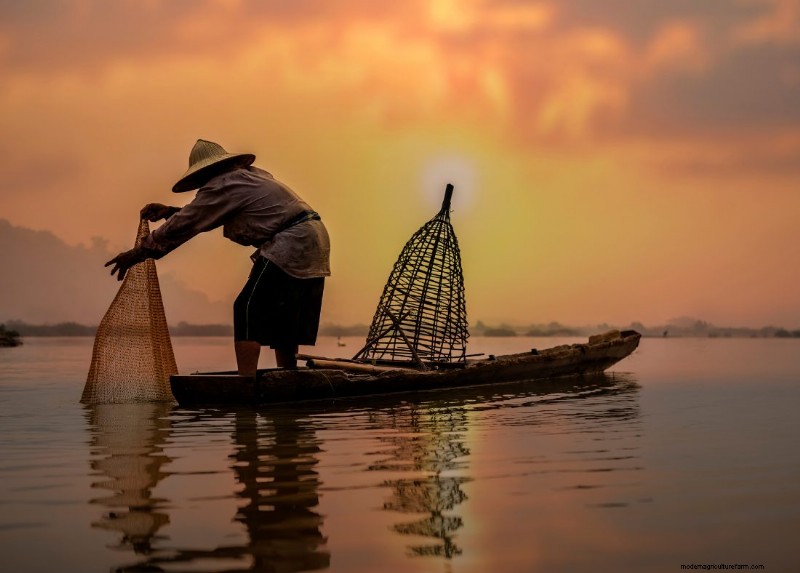 Fishing with nets: More than 80% of fish are caught via net fishing. There are a variety of different types of net fishing, including trawling, gillnets and purse seining schools of fish.
Across all of these methods to fishing, there are some general steps of production that are common to each of them:
The Global Seafood Alliance is the standards holder for both Best Seafood Practices (BSP) and Best Aquaculture Practices (BAP). In 2021, the organization rebranded with the transition into the wild-caught fisheries space. The Responsible Fishing Vessel Standard (RFVS) and the Seafood Processing Standard (SPS) are part of the wild-caught program under BSP. These standards exist to provide assurances in the wild seafood supply chain beyond the environmental responsibility pillar, which other certification schemes address.
As there are existing certification programs that certify fisheries as responsible, GSA is not seeking to “reinvent the wheel” by creating a fishery standard for the BSP program. Instead of doing this, in order for wild-caught seafood production to become BSP certified, the fishery stop in the supply chain must be benchmarked by the Global Sustainable Seafood Initiative (GSSI) through another certification program. Our mission with BSP is to simplify fisheries certification, and to create accountable standards for other stops along the supply chain that did not have certification standards previously.
View the full What happens within fisheries? infographic.