
Welcome to Modern Agriculture!

The Signal Crayfish (Pacifastacus leniusculus) is a sizable freshwater crustacean known for its invasive potential, yet it remains a popular pet for aquarium enthusiasts worldwide.
Pacifastacus leniusculus is a highly adaptable, fast‑growing omnivore, thriving in diverse freshwater environments. This guide consolidates peer‑reviewed research, laboratory findings, and seasoned hobbyist experience to offer a comprehensive care plan for home aquariums.
Before diving into the details, remember: NEVER release Signal Crayfish into the wild! They carry Aphanomyces astaci (crayfish plague) which can devastate native crayfish populations, alter ecosystems, and impose significant economic costs.

Native to northwestern United States and southwestern Canada, Pacifastacus leniusculus now inhabits more than 20 European countries, as well as regions in Asia and South Africa. Their introduction into these areas was originally intended to offset losses from crayfish plague, but the species itself is the disease vector.
Signal Crayfish are opportunistic, occupying ponds, lakes, streams, rivers, and even brackish waters. They thrive in rocky, muddy, and vegetated substrates, demonstrating remarkable ecological flexibility.
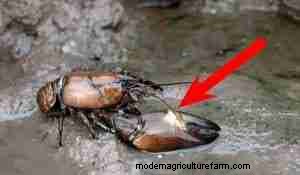
Typical lengths range from 3–4 inches (7–10 cm), with the largest specimens recorded at roughly 7 inches (18 cm). Their prominent claws contribute significantly to their weight—male 3‑inch individuals average 5.5 oz (158 g), while females average 4 oz (115 g). A key identifying feature is the white underside of their robust claws against a dark brown carapace.
Neuronal pigment analyses estimate an average longevity of 6–16 years, with some individuals living up to 20 years under optimal conditions.
Signal Crayfish reach 4 inches (10 cm) in total length within three years. Juveniles molt more frequently—three times per year for individuals under 2 inches and twice for those under 3 inches. The first molt occurs roughly two weeks post‑hatching, with a 1‑inch size attained after three months. Molting is a vulnerable period; protecting the tank during these times is essential.
Fully aquatic and highly nocturnal, less than 6% of their activity occurs during daylight. They are secondary burrowers, creating simple, angular burrows ranging from 6–26 inches (15–65 cm) deep when substrate allows. Territorial aggression is common; providing ample hiding spots and food can mitigate conflict.
As benthic omnivores, Signal Crayfish consume a wide array of foods: fish eggs, insects, macroinvertebrates, algae, detritus, and plant matter. Juveniles exhibit a surprising preference for detritus and leaves, whereas adults balance 80% vegetation with 20% protein for optimal growth.
Recommended foods for captivity include: leaves, plants, vegetables, crushed snails, earthworms, brine shrimp, dead fish or shrimp, Artemia, shrimp pellets, shrimp granules, Hikari shrimp cuisine, frozen blood worms, etc. Feed 3–4 times weekly for adults and daily for juveniles.
Signal Crayfish are not plant‑friendly; they will cut, shred, and consume most live plants. Use plastic or floating plants if you wish to maintain a planted setup.
One adult requires a minimum of 15 gallons (60 L). Larger tanks allow for distinct micro‑habitats and improved waste management.
Signal Crayfish are adept escape artists—ensure a tight‑fitted lid and consider a water line that does not exceed the tank height.
Maintain a temperature between 50–70 °F (10–21 °C). Above 79 °F (26 °C), survival rates drop sharply. Preferred pH is 7.0–8.5; low pH hampers calcium absorption and weakens exoskeletons. Hardness should be KH 3–20 and GH 3–25. While they can tolerate salinities up to 28 PSU for up to nine weeks, breeding females thrive best below 7 PSU.
A sloping, cobble‑rich substrate encourages natural burrowing. Avoid flat, soft bottoms. Provide abundant shelters—PVC pipes, driftwood, mesh bundles—to reduce aggression, especially during molting and breeding.
Signal Crayfish are nocturnal; lighting is secondary. However, if you keep live plants, adjust the photoperiod to suit them. Avoid sponge filters—crayfish will damage them. Hang‑on or canister filters are preferable.
Females mature at ~3 years and 1.4 inches carapace; males mature at ~2 years and 1.4 inches. Spawning occurs 2–3 days post‑mating. Egg counts range from 130 to 724 per clutch, correlating with female size. Eggs are attached to the female throughout embryogenesis. Hatching typically occurs between May and July, depending on temperature.
Maintain a water temperature of at least 44 °F (6.8 °C) to support embryonic development. Newly hatched juveniles measure ~0.38 inches (9.7 mm) and remain with their mother for several weeks before becoming independent.
Due to their aggression and predatory nature, Signal Crayfish are best kept in species‑only tanks. They pose a threat to fish, other crayfish, crabs, dwarf frogs, and especially freshwater snails. If you wish to keep other species, consider robust, large fish that can out‑maneuver them, but anticipate conflicts.
Signal Crayfish are hardy and easy to care for in aquariums, provided you adhere to proper tank size, water quality, and feeding practices. Remember, never release them into the wild—protect native ecosystems and maintain responsible pet ownership.


