Welcome to Modern Agriculture!

Last Updated on 2026-06-11
If you’re wondering whether guppies and angelfish can coexist in the same aquarium, the short answer is: it’s usually not advisable. This article explains why, outlines the risks, and suggests healthier tank‑mate options.
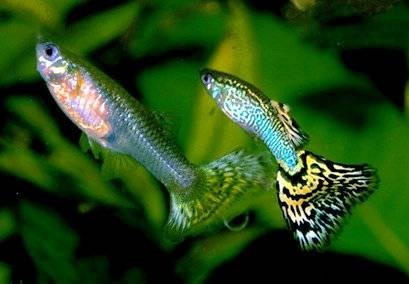
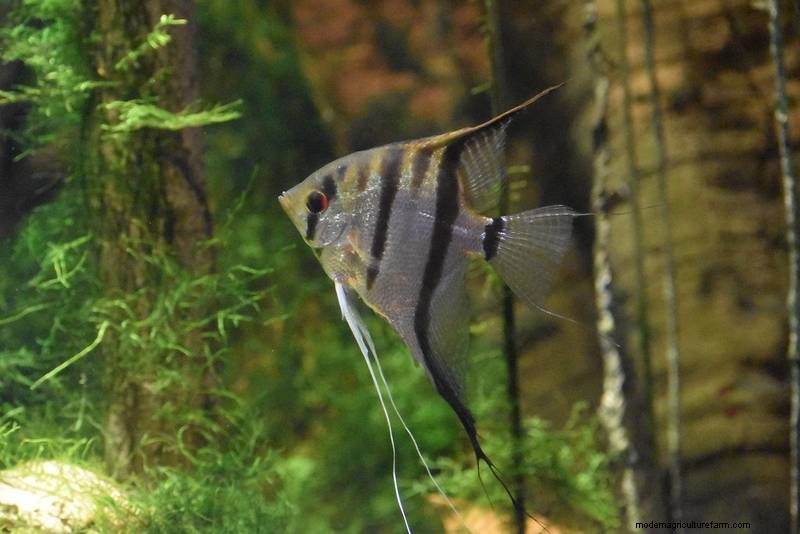
Guppies are delicate, fast‑moving fish that thrive on being protected. Angelfish, on the other hand, are aggressive, large‑size (up to 6″) predators that thrive on a different level of water chemistry and space.
Despite the allure of a mixed community, several factors make these two species incompatible:
Guppies are classic “treat‑your‑self‑right‑away” fish. They will quickly react to any perceived threat by attempting to flee or escape. Angelfish, however, are aggressive and territorial; they will view the guppies as easy prey, often resulting in bullying or even predation.
Guppies grow to only about 2″, whereas an angelfish can reach up to 6″. This drastic size difference means the guppies can be easily eaten, especially if the angelfish perceives them as a “food source.” For this reason, a 30‑gallon tank is the minimum for a stable angelfish, but it remains insufficient for a safe co‑habitation.
Because guppies are live‑bearers, any new fry would inevitably be destroyed if the angelfish had a chance to eat it. While this may satisfy a predator’s appetite, it can lead to over‑eating and subsequent damage to the tank’s infrastructure (swim‑bladder disease, etc.).
Guppies prefer soft, acidic or neutral water, whereas angelfish need slightly harder conditions. A mismatch in water hardness can cause the angelfish to develop “sick‑leaves” or “dead‑end” symptoms, jeopardizing the entire tank’s health.
In theory, a well‑designed, large tank could mitigate some of the issues. However, the fundamental differences in behavior and physiology make it an unsound choice for most hobbyists.
One workaround is a mechanical divider that physically separates the two groups while allowing you to enjoy both species. This requires a tank of at least 50 gallons and careful maintenance to ensure each side meets its species‑specific needs.
Some aquarists attempt to keep them together by:
These measures are largely reactive and do not address the core issue: the angelfish’s predatory nature.
If you have angelfish, consider pairing them with other fish that share similar size, behavior, and habitat conditions:
These species are either similar in size or share the angelfish’s top‑and‑bottom “water‑table” environment, making them less likely to be bullied or attacked.
Guppies and angelfish do not coexist well. Their differing behaviors, sizes, and water‑quality preferences make them incompatible. If you wish to keep angelfish, opt for proven community fish like corydoras, plecos, or mollies.