Welcome to Modern Agriculture!


Glen is an exceptional gardener with over 15 years of hands-on experience in garden maintenance, design, and landscaping services. When he’s not working on beautifying a client’s garden, he is busy creating helpful content for this blog.
Latest posts by Glen Chandler (see all)
Carrots are a staple in my garden here in Connecticut. Timing is key for a successful harvest. The best time to plant carrots in Connecticut is in the spring, after the last frost date, which usually falls around late April to early May. By then, the soil will be warm enough for the seeds to germinate and grow strong.
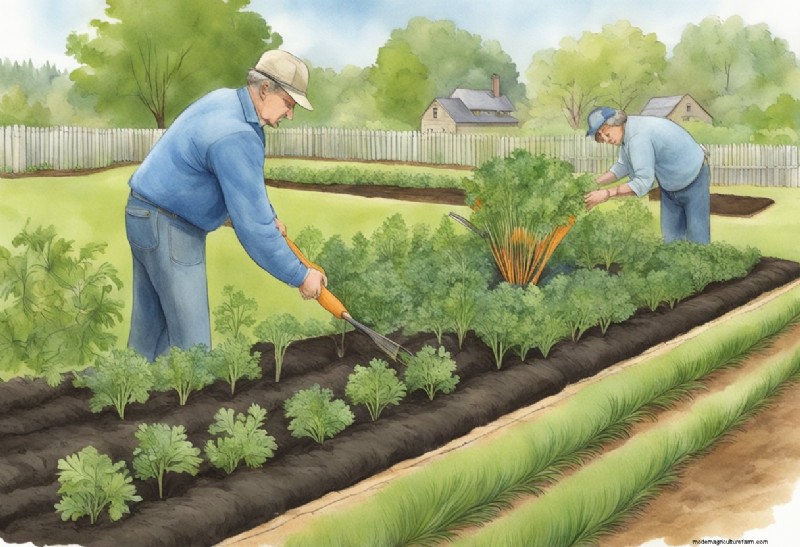
I usually start my carrot seeds indoors about 10 days before the last expected frost date. This gives the seedlings a head start and ensures they’re ready for transplanting as soon as the weather cooperates. I also love the excitement of seeing those tiny green shoots emerge, knowing that delicious, homegrown carrots are on the way.
Once the seedlings are ready, I transplant them to my garden, ensuring plenty of space between each one to avoid overcrowding. Carrots thrive in loose, well-drained soil with a slightly acidic to neutral pH. Keeping the soil moist but not waterlogged is crucial. It’s amazing how these small efforts lead to sweet, crunchy carrots by mid-summer.
Growing carrots successfully in Connecticut relies on knowing the right planting times, preparing your soil, choosing suitable varieties, and caring for your crops throughout the seasons. Here’s how you can master carrot cultivation in this region.
In Connecticut, carrots thrive when planted in early spring or late fall. Aim for about 2 to 4 weeks before the last frost date. For example, in Hartford, the average last frost date is around May 1, so you should plant seeds by mid-April.
Late summer sowing can also yield a fall harvest, benefiting from soil that retains heat. Understanding your local climate zones such as zone 5, 6, or 7, helps optimize planting schedules.
Healthy soil is crucial for growing carrots. Incorporate plenty of organic matter like compost to improve drainage. Avoid compacting the soil; instead, use a garden fork or tiller to gently loosen it to a depth of about 12 inches.
Carrots need well-drained soil with a pH of 6.0 to 6.8. Make shallow furrows about 1/4 to 1/2 inch deep and sow seeds thinly. Cover with a light layer of soil and keep the soil moist to encourage germination.
Choosing the right carrot variety for Connecticut’s climate is essential. Varieties such as Nantes, Chantenay, Danvers, Paris Market, and Little Finger are highly recommended.
Nantes – Known for its sweetness and tender texture.
Chantenay – Suited for heavier soils, has a broad, short shape.
Danvers – Performs well in Connecticut, known for its strong flavor.
Paris Market – Ideal for shallow soils or containers.
Little Finger – Perfect for snacking, grows quickly and remains small.
Watering consistently is key. Carrots need about 1 inch of water per week, more during dry spells. Mulching helps retain moisture and suppress weeds.
🚰 Water Requirements
Carrots need about 1 inch of water per week.
When fall approaches, a light frost can actually enhance the sweetness of your carrots. Protect late crops with row covers if heavy frost threatens. Regularly check for pests and diseases.
Common issues include pests like carrot rust flies and diseases such as Alternaria leaf blight. Use crop rotation and practice good garden hygiene to minimize problems.
⚠️ A Warning
Watch out for carrot rust flies and leaf blight.
Mulching can prevent pest larvae from reaching the soil to lay eggs. If you notice stunted growth or forked roots, it may indicate poor soil preparation or over-watering. Ensure soil is loose and well-drained.
By mastering these cultivation techniques, you can enjoy a bountiful carrot harvest in your Connecticut garden.
Planting carrots in Connecticut requires careful planning. Here are key strategies for ensuring a bountiful carrot harvest, including planting times, spacing, nutrients, and companion plants.
Starting with carrot seeds, sow them as soon as the soil can be worked in early spring, typically in late March to early April. Ensure the soil is thawed and has warmed slightly.
When sowing, space seeds about 2-4 inches apart. This spacing allows each carrot enough room to grow without crowding. Rows should be about 12-18 inches apart. This setup helps in efficient garden use and allows easy access for watering and weeding.
Carrots thrive in well-drained, loose soil rich in organic matter. Ensure the soil is free of rocks and debris which can stunt growth. Before planting, mix in a balanced fertilizer to provide necessary nutrients. For gardeners preferring organic options, compost or well-rotted manure is excellent.
🚰 Water Requirements
Carrots need consistent moisture. Water deeply once a week, ensuring the soil stays damp to help with proper root formation.
Companion planting can enhance the health and yield of your carrots. Onions, leeks, and radishes are excellent companions. They can deter pests that commonly affect carrots, such as carrot flies.
Avoid planting carrots near dill or parsnips as they can attract carrot-specific pests. Integrating flowers like marigolds can also help in pest management, providing a natural defense.
Carrots typically take around 70-80 days to mature. Monitor their size by gently feeling the tops of the roots. Harvesting carrots after a light frost can enhance their sweetness, as the cold converts starches to sugar.
For prolonged storage, keep harvested carrots in a cool, humid place. Consider storing them in sand or sawdust in a cool basement or root cellar to maintain freshness throughout the winter.