Welcome to Modern Agriculture!


Glen is an exceptional gardener with over 15 years of hands-on experience in garden maintenance, design, and landscaping services. When he’s not working on beautifying a client’s garden, he is busy creating helpful content for this blog.
Latest posts by Glen Chandler (see all)
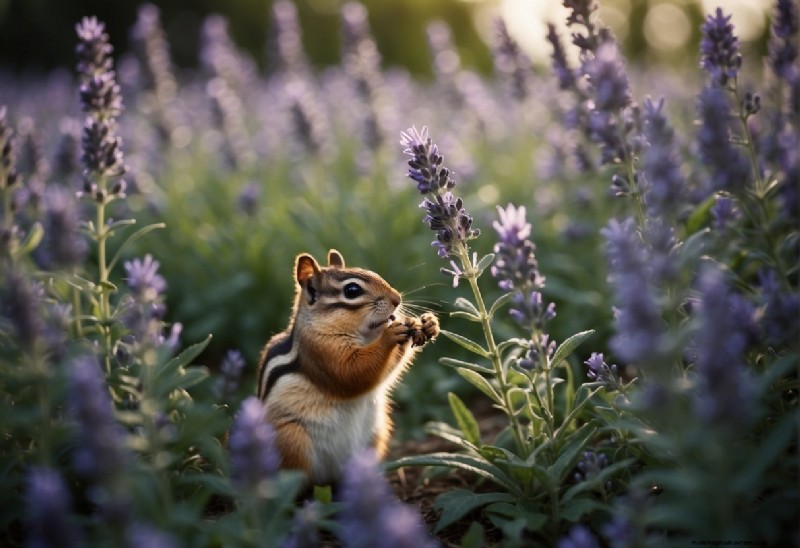
Chipmunks, while cute to some, can be quite a nuisance for gardeners and homeowners. Despite their small size, these critters have an appetite for bulbs, fruits, and seeds, which can wreak havoc on a yard or garden. I have found that an effective, humane way to deter these pests is by utilizing certain plants that they find unpleasant.
💥 Quick Answer
Among the various strategies to keep chipmunks at bay, planting chipmunk repellent varieties is a natural, aesthetic choice. Plants like allium, garlic, and strong-smelling herbs are known for their deterrent properties.
By incorporating these plants into the landscape, I not only add beauty and diversity but also create a protective barrier that effectively repels chipmunks. The use of such plants can enrich the ecosystem of the garden, inviting beneficial insects and birds, while keeping unwanted rodents under control.
When gardening, understanding the behavior of potential pests like chipmunks is crucial for protecting your vegetation. This discussion provides insights into their natural habits and how certain plants can serve as deterrents against these adept foragers.
Chipmunks flourish in various environments, from wooded areas to suburban yards. As omnivores, their diet is quite varied. It primarily consists of:
My garden has occasionally played host to these critters, particularly when I’ve grown:
Additionally, unsecured bird feeders are an open invitation for chipmunks, offering a rich source of seeds.
Chipmunks are expert burrowers, creating extensive networks of tunnels underground. These burrows serve as
My observation of their nesting habits suggests a preference for areas near objects or structures — like decks, sheds, or foundations — that offer additional protection.
The presence of chipmunks can have a two-fold impact:
Destructive Behavior:
Nuisance:
Implementing deterrents like certain plants and secure bird feeders is essential in managing these effects.
In my experience with gardening, I’ve found that incorporating the right plants and creating effective physical barriers offer natural and humane methods to deter chipmunks. Additionally, certain scents serve as strong repellents, making them an integral part of chipmunk prevention in gardens.
I’ve observed that certain plants can repel chipmunks due to their strong scents or toxic properties to these critters. For example, marigolds and daffodils not only add color to a garden but also serve as deterrents. Moreover, the allium family, which includes onions and garlic, can be a robust repellent due to their unmistakable scent. Here is a list of plants I’ve found effective:
Constructing a barrier has proven for me to be an effective way to keep chipmunks from burrowing and getting to the plants. I’ve used wire mesh or hardware cloth as a fence or to cover the ground, ensuring that the openings are small enough to prevent chipmunks from squeezing through. Here is how I approach constructing barriers:
In my garden, I regularly apply natural scent-based repellents that chipmunks find unpleasant. Cayenne pepper, peppermint oil, and a spray of cider vinegar have been successful deterrents without harming the chipmunks. Here are some repellents I use:
By incorporating these strategic plants, barriers, and repellents into my gardening practices, I’ve been able to maintain a thriving, chipmunk-free garden space.
In dealing with chipmunks, ensuring humane treatment is paramount. Effective removal strategies can be employed without causing harm to these creatures. Here’s how I manage.
When it comes to trapping, live traps are the most humane option. A small cage with a trigger-sensitive mechanism works well:
I always check traps frequently to minimize stress and never place them in direct sunlight.
Mimicking the presence of predators can be a highly effective strategy:
Decoys: Models of predators like cats or foxes
Scents: Sprinkling predator urine around gardens
I’ve found that changing the position of decoys frequently prevents chipmunks from becoming accustomed to them.
Altering the environment to be less chipmunk-friendly is a strategy I employ by:
⚠️ Cleanliness is Key
Removing food sources like bird feeders and pet food, and keeping the yard tidy by cutting back foliage and clearing debris.
Such practices discourage chipmunks from settling in my garden and cause minimal disruption to their natural behaviors.


