Welcome to Modern Agriculture!


Glen is an exceptional gardener with over 15 years of hands-on experience in garden maintenance, design, and landscaping services. When he’s not working on beautifying a client’s garden, he is busy creating helpful content for this blog.
Latest posts by Glen Chandler (see all)
💥 The Philodendron Hope thrives in bright, indirect light.
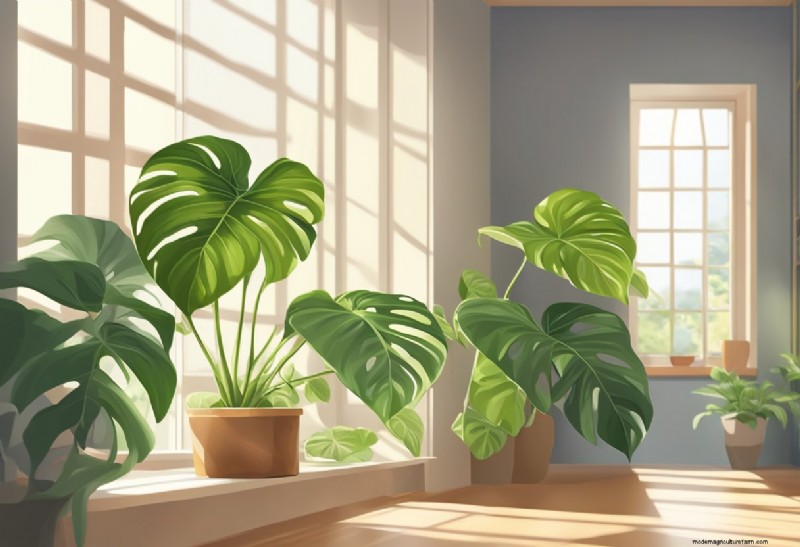
Ever wondered how to keep your Philodendron Hope happy? 🌱 Let me share what I have found works best. These beauties, also known as Hope Selloum or just Hope Philodendron, love bright but indirect light. Direct sunlight can scorch their leaves faster than a summer sunburn!
When I brought my first Hope home, I made a mistake of putting it right on a sunny windowsill. Not only did its leaves start to brown, but it seemed to droop, almost as if it was sulking! I quickly moved it to a spot with lots of indirect light near my east-facing window, and it perked right up.
🔆 Light Requirements
Philodendron Hope grows best in bright, indirect light. Avoid direct sunlight to prevent leaf scorch.
So, if you’re thinking of adding a Philodendron Hope to your collection, remember to find that sweet spot with plenty of indirect light. Your plant, and your green thumb reputation, will thank me later! 🌿😉
Philodendron Hope needs bright, indirect light to thrive. Direct sunlight isn’t good for it. If sunlight hits it directly, the leaves might get scorched. Think of it as needing light similar to what you’d want for reading—bright but not harsh.
🔆 Light Requirements
Bright, indirect light is perfect. Avoid direct sun exposure to prevent leaf burn.
If light is too low, Philodendron Hope will grow slowly. It might still survive but won’t look as vibrant. Imagine living in a dim room all the time. Not fun, right?
You can use artificial lights if natural light is limited. LED grow lights work well. They should provide at least 400 foot-candles or 4,000 lux of light. This can help the plant grow even in darker rooms.
💥 Quick Answer
Bright, indirect light ensures your Philodendron Hope stays healthy and happy. Too much direct light can scorch the leaves, and too little can slow its growth.
Let me share a tip from my experience. Put your plant near a window with a sheer curtain. It lets in plenty of light while filtering out the harsh rays. This setup will make your plant feel right at home.
Philodendron Hope flourishes in moderate lighting conditions, favoring bright, indirect sunlight over direct light. Whether you use natural or artificial light, providing the ideal lighting will allow your plant to thrive.
Philodendron Hope loves bright, indirect light. This means plenty of light, but not direct sun. If you place it near a window, ensure it’s not in the path of direct sunlight. Too much direct light can cause the leaves to burn.
Filtered light, such as what you’d get through sheer curtains, works wonderfully. In terms of sunlight levels, aim for a spot that gets multiple hours of moderate lighting. A north or east-facing window is ideal because they get good, consistent light without being too harsh.
Here’s a tip: if you notice your plant getting leggy, it might mean it needs more light. Likewise, yellowed leaves with brown edges might be a sign of too much direct sun. It’s a balancing act, but when in doubt, err towards bright, indirect light.
For those who don’t have access to strong natural light, artificial light can be a lifesaver. I recommend using full-spectrum LED grow lights. These lights produce a balance of warm and cool light, similar to natural sunlight, which is perfect for Philodendron Hope.
Keep the artificial light on for about 12-14 hours a day. Place the grow light about 12 inches away from the plant to replicate the intensity of natural light without causing any heat damage.
If you work with fluorescent lights, those work too. Just be mindful of the distance to avoid overheating the plant. Use a timer to ensure that your plant gets consistent lighting every day. This helps the plant develop sturdy stems and richly-colored leaves.
In conclusion, whether you go for natural or artificial light, making sure your Philodendron Hope gets the right amount of light will keep it healthy and thriving. 🌱
When Philodendron Hope doesn’t get enough light, it shows some clear signs.
First, look at the foliage. If the leaves are turning yellow, it’s usually a sign of insufficient light. These plants thrive in bright, indirect sunlight. Without it, you might see more yellow leaves than lush green ones.
💥 Yellow leaves = Low light
Leggy growth is another hint. The plant starts stretching towards the light source, leading to long, spindly stems. It’s like it’s reaching for the sun but never quite gets there.
Notice the large, lush leaves? In poor light, those will shrink and lose their deep, glossy look. The beauty of the deeply lobed leaves is also compromised.
If you see these signs, consider moving your Philodendron Hope to a spot with more indirect light. Place it near a window with a sheer curtain or in an area with a mix of natural and artificial light.
Keep an eye out for spots where direct sunlight can hit. Direct sun might scorch the leaves, making them look less vibrant. It’s a balancing act to find that perfect spot to keep your plant happy and healthy.
💥 Tips for Healthy Growth
By noticing these signs early, you can quickly adjust and help your Philodendron Hope thrive! 🌱
Getting the light just right for your Philodendron Hope ensures it grows beautifully and stays healthy. Below, I’ll share placement ideas and needed adjustments to keep your plant happy and thriving.
Finding the perfect spot for your Philodendron Hope is crucial. This plant loves bright, indirect light. I usually place mine near an east-facing window. 🌞 This gives it plenty of light without harsh midday sun.
If an east-facing window isn’t an option, a south-facing window works too. Just be sure to filter the light with sheer curtains. This helps avoid burning the leaves. 📚
Indoors, I sometimes move my plant around to catch the best light throughout the day. Keeping your plant in the right place ensures even growth. Trust me, it makes a big difference. 😉
Even if you find a great spot for your plant, you might need to make some tweaks. Changing seasons can affect sunlight exposure, so be ready to adjust as needed.
During winter, I often move my plant closer to the window to catch more light. 🌱 If you notice your plant leaning or reaching for light, that’s a sign to rotate it. This promotes even growth and keeps it looking its best. 🌿
In some indoor spaces, natural light may not be enough. I resort to using grow lights. These lights mimic sunlight and are a lifesaver during darker months. 🏠 By making these small adjustments, your Philodendron Hope will thrive.
Dividing your care into these easy steps ensures your plant remains vibrant and healthy all year round.
Overwatering
Many get excited and end up giving their Philodendron Hope too much water. This tropical plant needs moist soil, but not soggy. Tip: Let the top 2 inches of soil dry out before watering again.
Poor Soil Choices
This plant loves well-draining soil. Using the wrong mix can trap water and drown the roots.
💥 Aim for a mix of peat, perlite, and compost.
Ignoring Light Needs
Philodendron Hope thrives in bright, indirect light. Placing it in dark corners will stunt its growth.
🔆 Light Requirements
Bright, indirect light is best.
Temperature Mismanagement
Too hot or too cold, and you’re asking for trouble. Ideal temperature?
🌡️ Temperature Requirements
65 to 85 degrees Fahrenheit.
Neglecting Humidity Levels
This is a tropical plant. Low humidity can lead to crispy leaves. Use a humidifier if your home is dry, especially in winter.
☔️ Humidity Requirements
Moderate to high humidity.
Ignoring Disease Signs
Watch for signs of diseases like yellowing leaves or root rot. Quick action can save your plant.
⚠️ Clean your tools and don’t overwater!
Not Pruning Dead Leaves
Dead, yellow, or crispy leaves can steal nutrients from healthy parts of the plant.
✂️ Don’t be afraid to prune them. Your plant will thank you!