Welcome to Modern Agriculture!

A thriving garden is a tiny, living economy. Something nibbles, something else shows up to nibble the nibbler, and the whole system settles into a messy balance. Chemical pesticides disrupt that balance, affecting helpful species along with the pests you wanted gone.
You do not need a spray rig full of synthetics to protect your tomatoes and roses. Research from the University of Florida shows that a single lady beetle larva can eat up to 500 aphids before reaching adulthood, and a 2024 study in Nature Communications found that landscape features supporting natural predators can significantly cut pesticide use while maintaining yields.
Below are 18 proven natural pest control methods, arranged roughly from everyday sprays and barriers to bigger ecosystem shifts. Mix and match the ones that fit your garden.
Neem oil is the workhorse of organic gardening. Pressed from the seeds of the neem tree in India, it has been used for soft-bodied pests like aphids, whiteflies, and spider mites for centuries.
The trick is timing. Spray in the early morning or late evening so bees are not actively foraging, and coat the undersides of leaves where pests hide. Expect to reapply every seven to fourteen days during active pest pressure.
Look for pure, cold-pressed neem oil rather than pre-mixed products with synthetic additives. A bottle of concentrate goes a long way when you dilute it yourself.
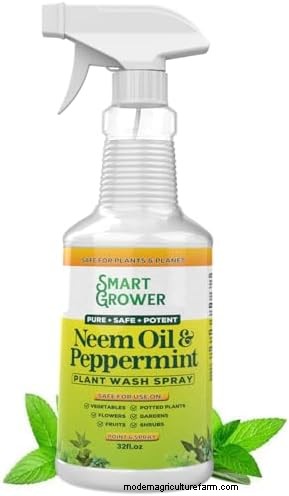
A ready-to-use option like the Smart Grower Neem Oil Spray with Peppermint Oil skips the mixing step and works on both indoor houseplants and outdoor vegetable beds. (Amazon)
This fine, chalky powder is made from fossilized algae called diatoms. It feels harmless under a finger, but at a microscopic scale it is razor-edged, and it damages the outer shells of crawling pests like ants, earwigs, and beetles.
Dust a thin line around the base of affected plants. Reapply after rain, since water neutralizes its mechanism of action.
Only use food-grade diatomaceous earth in the garden. Avoid applying it directly to open flowers so pollinators are not exposed.
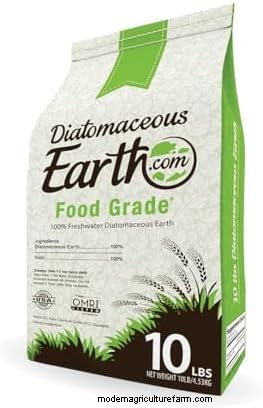
A 10-pound bag of OMRI-listed food grade diatomaceous earth lasts most home gardeners a full season, and you can use the leftovers indoors on ant trails too. (Amazon)
We'll email it to you so you can read it later!
By saving, you agree to receive occasional emails. Unsubscribe anytime.
Made from potassium salts of fatty acids, insecticidal soap dissolves the protective coating on soft-bodied pests and causes them to dehydrate quickly. It works on aphids, mealybugs, scale, and whiteflies, and it is considered safe for most beneficial insects once it dries.
Test a small area first, since some plants (like ferns and certain succulents) can react poorly. Apply in cool, overcast conditions so the spray does not evaporate before contacting the pests.
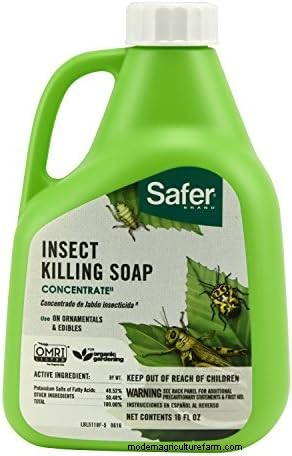
The Safer Insect Killing Soap Concentrate is OMRI-listed for organic use and dilutes into several gallons of spray per bottle. (Amazon)
Why spray anything if you can just block the pest from reaching the plant? A row cover is lightweight fabric that sits over your crops, letting in light, water, and air while physically excluding flying insects.
Drape covers immediately after planting so cabbage moths, squash vine borers, and flea beetles never get a chance to lay eggs. Lift them during bloom time for pollinator-dependent crops like squash and cucumbers so fruit can set.
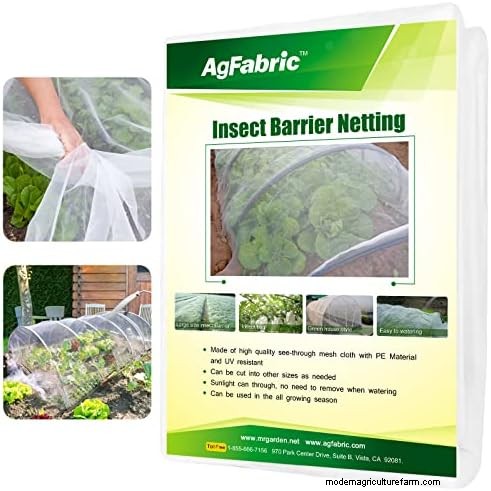
A versatile option is the Agfabric 6.5 ft by 10 ft insect mesh row cover, which doubles as bird netting and stands up to a full season of use. (Amazon)
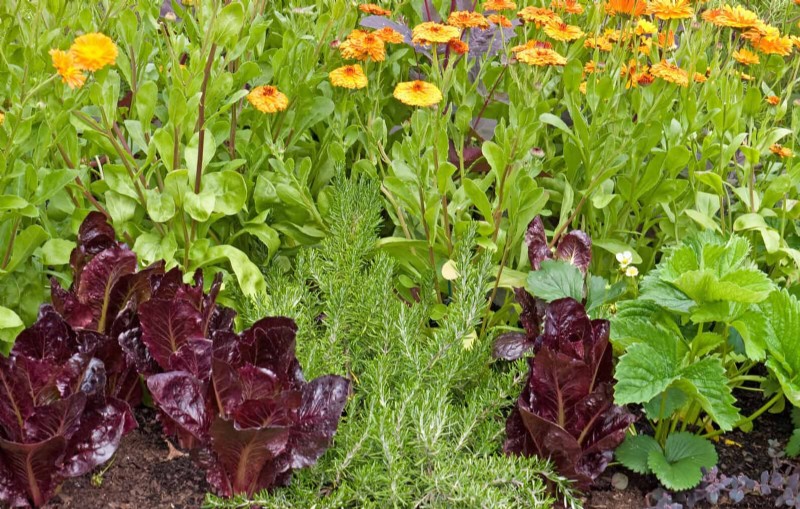
Marigolds have been studied since the 1970s for their pest-repelling properties. Their roots release a compound called alpha-terthienyl that deters certain root-knot nematodes, and their scent appears to confuse aphids and whiteflies above ground.
 DepositPhotos.com
Tuck French marigolds (Tagetes patula) between tomatoes, peppers, and squash. You do not need a full border, just a scatter, one or two plants for every three to four food crops.
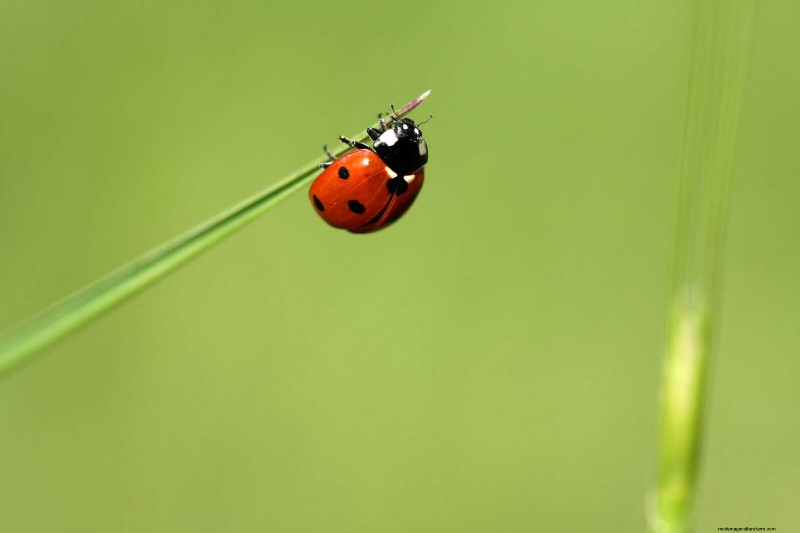
A single adult lady beetle can eat roughly 25 aphids per day, and the larvae are even hungrier. University of Florida entomologists note that larvae can consume up to 500 aphids before pupating into adults.
 DepositPhotos.com
The best way to get ladybugs is to attract them rather than buy and release them. Released beetles tend to fly away within 48 hours because they have not chosen your garden as home.
Plant dill, fennel, yarrow, and sweet alyssum. These give them nectar, shelter, and a reason to lay eggs on your property.
Lacewing larvae are nicknamed “aphid lions” for good reason. According to research from the IFAS Extension at the University of Florida, they feed voraciously on aphids, mites, thrips, and the eggs of many destructive caterpillars.
Adult lacewings sip nectar, so the same flowering herbs that welcome ladybugs welcome them too. Coriander, cosmos, and goldenrod are especially attractive.
Most gardeners worry about what is chewing leaves above ground. The real trouble often starts below, where grub larvae, flea beetle pupae, and cutworms quietly damage roots before any above-ground symptoms show.
Beneficial nematodes are microscopic worms that parasitize more than 200 species of soil-dwelling pests. Apply them in cool, moist soil, water them in well, and avoid applying during dry or sunny conditions since UV light is hard on them.
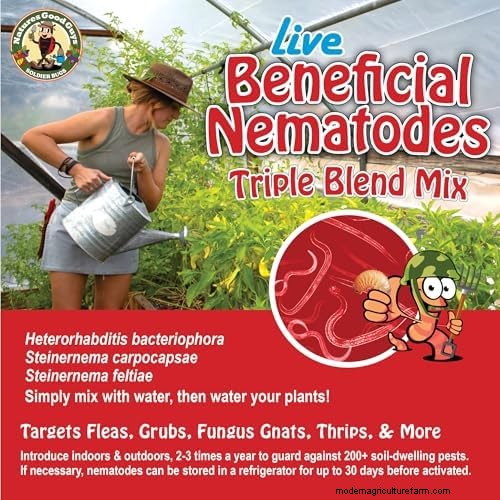
A single 15 million count pack of live beneficial nematodes treats up to 2,000 square feet and addresses more than 200 soil-dwelling pests at once. (Amazon)
Slugs and snails get a mild reaction when their slime touches copper. It is enough to discourage them from crossing a band of copper tape placed around a raised bed, a container, or a seedling tray.
Apply clean copper tape in dry conditions. Wipe the band occasionally, since oxidation and dirt can dull its effectiveness over a season.
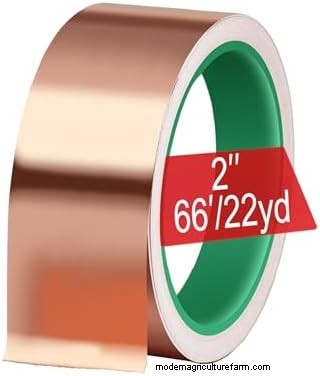
The 2-inch copper foil tape comes in a generous 66-foot roll, plenty to wrap several raised beds or a row of hostas. (Amazon)
A trap crop is a sacrificial plant that a pest prefers over your main crop. Once the pests gather on the trap plant, you can remove the whole plant (pests and all) or spot-treat just that one spot.
Classic pairings include blue hubbard squash planted a few feet from summer squash to pull away squash bugs, and nasturtiums planted near broccoli and kale to pull aphids off your harvest. Research from the University of Massachusetts Extension has shown that well-placed trap crops can reduce pest pressure on cash crops by significant amounts.
Quick Pest-to-Method Cheat Sheet
These bright yellow cards are coated with a non-toxic adhesive. The color mimics fresh foliage, pulling in winged pests like fungus gnats, whiteflies, and winged aphids, which then get stuck.
Use them indoors on houseplants and in greenhouses where they shine. Outside, they work best as a monitoring tool so you catch a pest population early.

A pack of 60 yellow sticky traps covers a houseplant collection or a greenhouse for the whole season, with enough spares for outdoor monitoring too. (Amazon)
You can mix a surprisingly effective spray with ingredients already in your kitchen. Blend several garlic cloves and a hot pepper with a quart of water, let it steep overnight, strain, and add a few drops of mild liquid soap so the spray adheres to leaves.
Spray in the early morning on a dry day. Reapply after heavy rain, and keep the mix away from your eyes and off bare skin, since the capsaicin is strong.
A jar of this in the fridge lasts about a week. Homemade sprays are not as shelf-stable as commercial products, so make small batches.
Sometimes the simplest approach wins. Tomato hornworms, Japanese beetles, squash bugs, and Colorado potato beetles can all be removed by hand and dropped into a bucket of soapy water.
A slow morning walk through the garden a few times a week is usually enough. The pests are sluggish when temperatures are cool, easier to spot, and more likely to still be on the plants they damaged overnight.
Did You Know? Tomato hornworms often hide on the undersides of leaves, but their frass (dark green droppings) on the soil below gives them away. Follow the trail up to find the caterpillar.
Chickadees, wrens, warblers, and bluebirds can eat hundreds of insects a day during nesting season. They do not need much convincing to stop by, just a source of water, some cover, and a safe place to raise young.
Hang a few nest boxes before spring. Add a birdbath with fresh water, and let a corner of the yard stay slightly wild. A brush pile or a native shrub gives small birds shelter when larger predators pass over.
See more: How to Stop Rabbits From Eating Your Spring Garden
Pest problems often trace back to stressed plants, and stressed plants usually trace back to tired soil. Research reviewed in the MDPI journal Plants confirms that soils rich in organic matter support diverse microbial communities, which in turn make plants more resilient to pest damage.
Top-dress beds with a couple of inches of compost each season. Mulch with shredded leaves or straw to feed soil life as it breaks down.
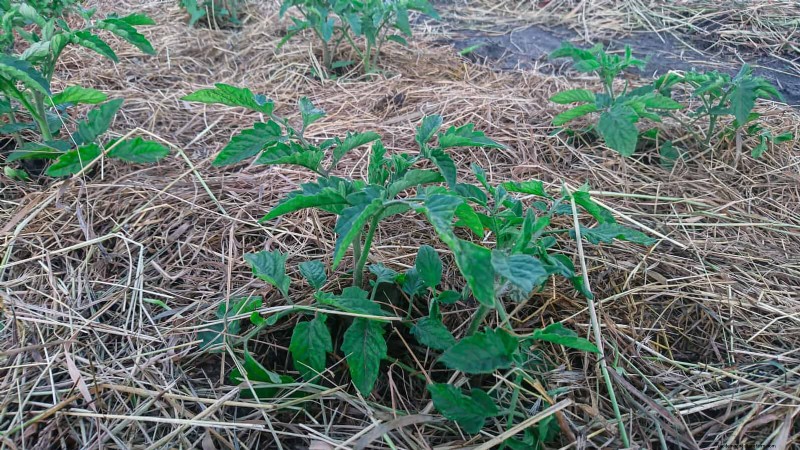 DepositPhotos.com
If you plant tomatoes in the same spot every year, soil-borne pests and diseases concentrate there. Rotation breaks that cycle by moving host plants away from established pest populations.
A simple three-year rotation divides the garden into sections. Move tomato-family plants (tomatoes, peppers, eggplants, potatoes) to a new section each year, follow them with legumes, and then leafy greens.
A long row of identical plants is essentially a buffet sign for pests. Interplanting breaks up the visual and scent cues that guide pests to their targets.
Tuck basil between tomato vines. Alternate rows of carrots and onions to confuse carrot flies. Edge beds with nasturtiums to pull aphids away from more valuable crops.
If you’re curious about resilient bloomers that pair well with vegetables, take a look at our guide to 20 plants that actually love full summer sun and won’t fry.
Native wildflowers support a wider circle of beneficial insects than showy imported hybrids. Milkweed, coneflower, bee balm, goldenrod, and native asters all welcome predatory wasps, hoverflies, and solitary bees that quietly manage caterpillars and aphids for you.
The Xerces Society, a nonprofit focused on invertebrate conservation, maintains region-specific native plant lists you can filter by state. Pick at least five species that bloom at different times so there is always something flowering.
The goal is not to win a war against every insect in the garden. It is to build a space that manages most problems on its own, so you can focus on the fun parts, the harvests and the flowers.
Start small. Pick two or three methods from this list that match your biggest pain points, add compost and native flowers to strengthen the foundation, and let the beneficial bugs do the rest.
Quick-Start Checklist