Welcome to Modern Agriculture!

Every spring, garden centers stack fertilizer bags by the front door, and shoppers walk out with armloads of them. That feed-first instinct feels productive, yet plenty of gardens would grow better with less product, not more. The missing step is reading the soil itself.
University extension offices across the country agree on one starting point: test before you amend. The Environmental Protection Agency links excess lawn and garden nutrients to algae blooms and hypoxic zones in rivers and coastal waters, so guesswork carries a real cost. A basic soil test removes most of that guesswork for the price of a bag or two of fertilizer.
The list below walks through exactly what your soil can tell you, how to collect and interpret a test, and when to fertilize once you have real numbers in hand. Treat it as a checklist you can run through once every few seasons. Your beds, your wallet, and your watershed will thank you.
 DepositPhotos.com
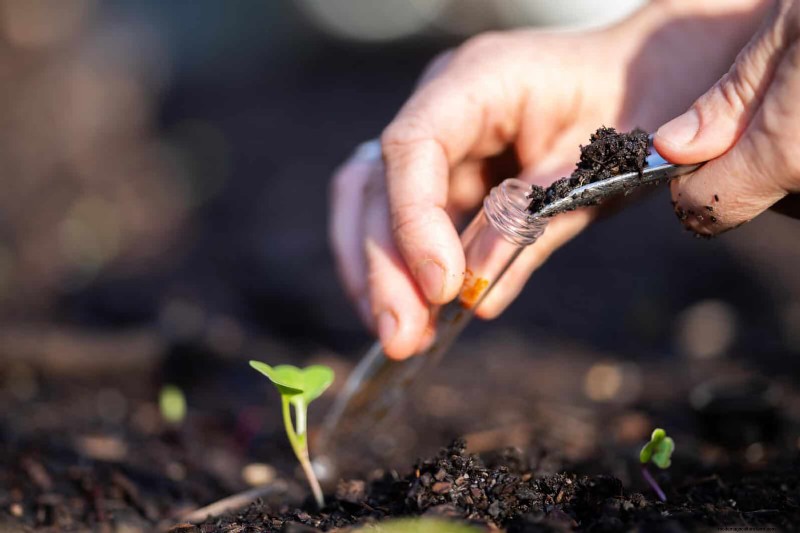
The average garden bed is carrying nutrients left over from last year’s fertilizer, compost, and fallen leaves. Much of it is locked into soil particles and organic matter, waiting for roots to pull it free.
Nitrogen, phosphorus, and potassium all persist in soil at different rates, and lab reports put real numbers on each one. That data is the only honest answer to the question “does my garden need feeding right now?”
Most vegetables grow best in a slightly acidic range of 6.2 to 6.8, according to multiple university extensions. Outside that window, even a generous application of fertilizer can sit in the soil unused.
Nutrients become chemically unavailable when pH drifts, and plants quietly starve in the middle of a feeding program. A soil test gives you the real pH reading, not the packaging claim on the compost bag. Fixing pH with lime or sulfur should always come before any fertilizer plan.
We'll email it to you so you can read it later!
By saving, you agree to receive occasional emails. Unsubscribe anytime.
Those three digits on the front of the bag represent percentages of nitrogen, phosphorus, and potassium. They tell you what the bag contains, not what your soil needs.
A balanced 10-10-10 product makes sense only when your soil is low on all three nutrients in roughly equal measure. Labs report actual values for P and K in parts per million, plus a nitrogen estimate based on organic matter. Once you see those numbers, choosing a fertilizer stops being a guessing game.
Calcium, magnesium, and sulfur belong to the second tier of plant nutrition and get less attention than they deserve. Tomato blossom end rot, for example, is linked to calcium availability, not just calcium presence in the soil.
A standard soil test flags when any of these three nutrients fall short. Correcting a magnesium deficiency with Epsom salt, for instance, is cheap and fast once the test confirms the problem.
See more: 14 Natural Fertilizers You Already Have at Home (And How to Use Them Safely)
Boron, zinc, iron, manganese, and copper make up the fine print of plant nutrition. Plants need very little of each, yet a deficiency in any one can stall growth across a whole bed.
Most standard extension panels report boron and zinc at minimum, and expanded panels cover the rest. Before you reach for a specialty supplement because of yellow leaves, the test should tell you which micronutrient, if any, is actually the culprit.
Soil labs measure organic matter as a percentage and use it to estimate how much nitrogen your soil will release as the season warms. A garden bed sitting at four or five percent organic matter behaves very differently than one at one percent.
That single number shapes fertilizer recommendations more than most gardeners realize. Compost, cover crops, and mulch slowly raise organic matter over years, and a test makes the progress visible.
Cation exchange capacity, or CEC, measures how well your soil holds positively charged nutrients. Sandy soils with low CEC leach nutrients quickly and need smaller, more frequent feeding.
Clay soils with high CEC hold on to nutrients and can show buildup when over-applied. The CEC line on a soil test tells you how generous or patient your fertilizer schedule should be. Same bag of fertilizer, completely different plan depending on that number.
 DepositPhotos.com
Heavy fertilizer use, especially with synthetic products, raises the soluble salt level of garden soil over time. High salt levels stress roots, stunt seedlings, and mimic drought damage even when watering is adequate.
An electrical conductivity reading on a soil test spots the problem before plants show symptoms. Catching it early often just means pausing fertilizer for a season and adding compost.
Sandy, loam, and clay soils each ask for different fertilizer timing. A soil test either reports texture directly or provides the data needed to run a simple jar test at home.
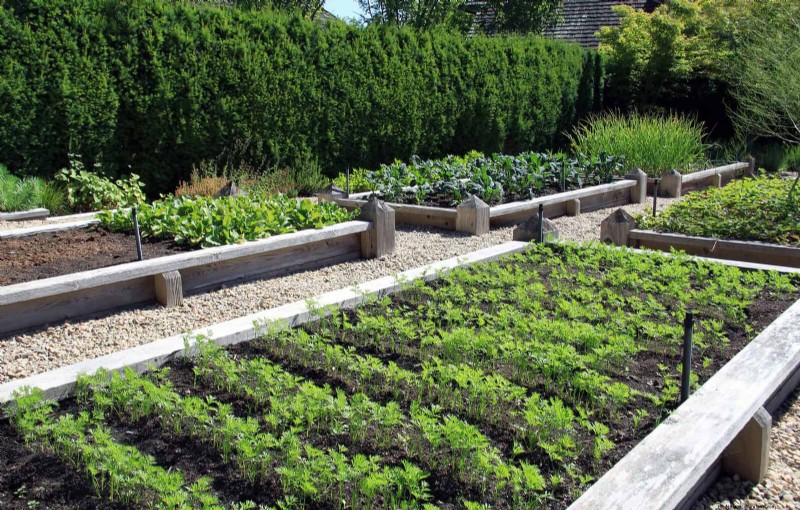
Knowing the texture of each bed keeps you from over-feeding a fast-draining plot or under-feeding a water-logged one. Raised beds often behave like sand no matter what fills them, so they may need lighter, more frequent feeding than in-ground beds.
Most state extension labs charge between ten and thirty dollars for a basic panel, and many offer the service free to residents of that state. One bag of fertilizer often runs more than that.
Testing once every three years replaces years of overbuying and still leaves money on the counter. The cost-benefit math rarely favors guessing.
Did You Know? The United States applies roughly twelve million tons of nitrogen fertilizer each year across lawns, farms, and gardens, with a meaningful fraction running off into streams and contributing to coastal dead zones. Reading your own soil is a small personal lever on a very large problem.
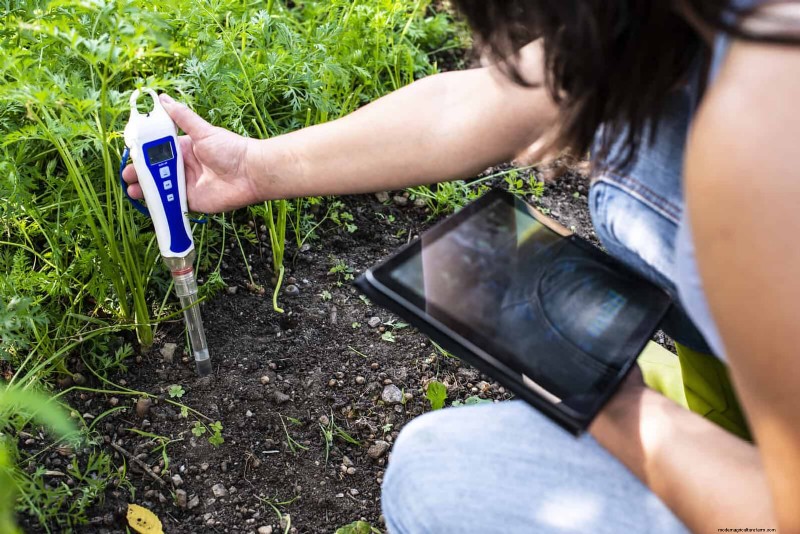
Drugstore-style color kits and handheld probes give you a quick read on pH and sometimes rough nutrient ranges. They run about 15 to 35 USD and deliver results the same afternoon.
 DepositPhotos.com
Accuracy on color kits lands within roughly plus or minus 0.5 pH units, wider for cheap metal probes, according to testing referenced by Oregon State University. Home kits work well for deciding whether to bother with a real lab test. They rarely give the details needed to build a full fertilizer plan. Think of them as a first look, not the final word.
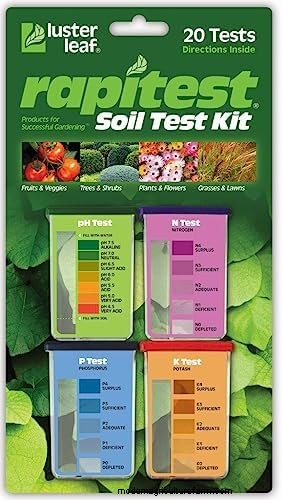
The Rapitest Soil Test Kit is a popular choice for quick DIY pH and N-P-K checks, and it remains one of the most affordable ways to get a same-day read on a garden bed. (Amazon)
Extension labs return precision within about 0.2 pH units and five parts per million on major nutrients. More importantly, the report comes with a customized recommendation for your specific crop and soil.
That translates into exactly how much of which amendment to add, in pounds per hundred square feet. Following a single extension recommendation saves most gardeners more than the cost of the test itself.
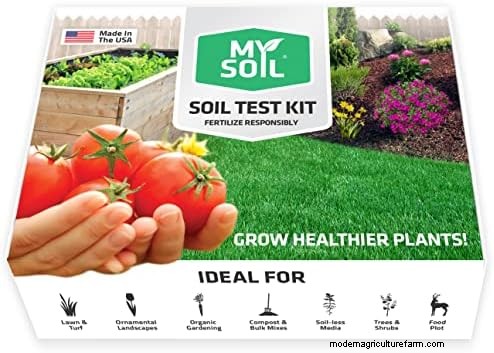
Mail-in lab kits such as the MySoil Soil Test Kit fill the gap for gardeners whose state lab does not serve residents directly. You collect a composite sample, drop it in the return mailer, and get a full nutrient analysis with recommendations a few weeks later. (Amazon)
If you’re working with challenging soil, take a look at our guide to 13 Simple Fixes to Turn Heavy Clay into Healthy Soil.
Grab ten to twelve small slices of soil from different spots across one bed, mix them in a clean bucket, and send the blended sample. A single scoop from one corner can miss the truth of the whole bed entirely.
Extension guides from Iowa State, Maryland, and Oregon State all recommend this composite method. Sample depth matters too: six to eight inches captures the root zone for most vegetables and perennials.
Soil Sampling Checklist
Fall and early spring, when soil is biologically slow and no recent fertilizer has been added, are the most common recommended windows. Testing right after a heavy fertilizer application skews the numbers upward and wastes the price of the test.
For tracking trends over years, sample at the same season each time. That consistency matters more than the exact month you pick.
The first section of any extension report lists pH, organic matter, and nutrient levels. The second section translates those numbers into amendments: pounds of lime, pounds of blood meal, pounds of bone meal, or specific N-P-K ratios.
Follow that second section, not the bag directions on a generic product. Most reports also flag surpluses, not just deficits, so if your phosphorus reading is high, the report will tell you to skip phosphorus entirely that year.
Lime raises pH in acidic soil, and elemental sulfur lowers pH in alkaline soil. Neither works overnight, and both need weeks or months to fully shift the chemistry.
Applying fertilizer to soil with the wrong pH is like pouring water into a leaking bucket. Work the amendment into the top six inches of soil, water well, and wait the recommended interval before the next feeding.
The impulse to fertilize simply because the calendar says April is hard to resist. Plants use nutrients based on growth stage, weather, and existing soil reserves, not the date on the wall. For a deeper look at when to apply what, our guide to common fertilizer timing mistakes that wreck spring blooms covers the seasonal side of the equation.
Feed what your test actually shows is low, in the amount the report prescribes. A bed that tested high in potassium and phosphorus may only need a modest nitrogen side-dress during the season.
Leaf tip scorch, salt crusts on the soil surface, and sudden wilting in otherwise healthy plants all point to excess nutrients. Catching those signs early saves the season.
If a mid-season soil test comes back with spiked salts or phosphorus, pause feeding entirely. Adding fresh compost and letting normal rainfall run its course usually resets the bed within a few weeks.
Write down the sample date, lab name, recommended amendments, and what you actually applied. Three years later, that history shows whether pH shifted, whether organic matter climbed, whether phosphorus finally balanced.
A soil testing program without records is just a single snapshot repeated forever. Keeping a simple notebook or spreadsheet turns each test into part of a long trend line instead of a one-off curiosity.
Reading your soil turns gardening from a reflex into a small experiment you run once every three years. The test itself is cheap, the sampling takes an hour, and the recommendations replace a whole season of overbuying.
Your garden, the stream at the edge of town, and the gulf a thousand miles away all benefit from one honest report. The bag on the garden center shelf can wait until you know what your soil is asking for.


