Welcome to Modern Agriculture!

The difference between a garden that struggles and one that thrives often comes down to the dirt you can’t see. Healthy soil holds water, feeds plants slowly, and supports billions of organisms working underground while you sleep. A single teaspoon of productive soil contains between 100 million and 1 billion bacteria plus thousands of other species, according to Ohio State University Extension.
Most gardeners pour money into plants and seeds before paying any real attention to what those roots actually grow into. That backwards approach is why so many beautiful garden plans look tired by August. The good news is that even compacted clay or sandy nothing can become rich, dark, and productive once you know which moves actually work.
These 18 soil secrets pull together the techniques university extension programs and experienced growers consistently recommend. Some take a single afternoon. Others build year after year into a garden that practically runs itself.
Did You Know? One teaspoon of healthy garden soil can contain over 20,000 different species of organisms, according to research summarized by Edible Evanston. The diversity matters as much as the volume, because resilient soils survive droughts, pathogens, and bad weather years better than depleted ones.
A basic soil test costs about $15 and prevents thousands of dollars in wasted amendments. The report tells you the pH, the levels of nitrogen, phosphorus, and potassium, and often the percentage of organic matter you’re working with.
University extension offices in nearly every state offer affordable testing through the mail. You collect a small sample from several spots, mix them together, and ship the result for analysis.
Without those numbers, every amendment is a guess. With them, you stop wasting money on lime your soil doesn’t need or magnesium that’s already abundant.
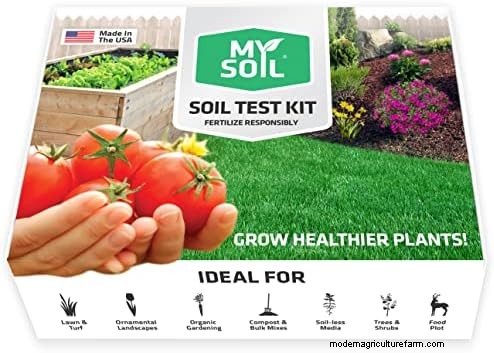
An at-home option like the MySoil Soil Test Kit sends a sample to a lab and returns custom recommendations for your beds. (Amazon)
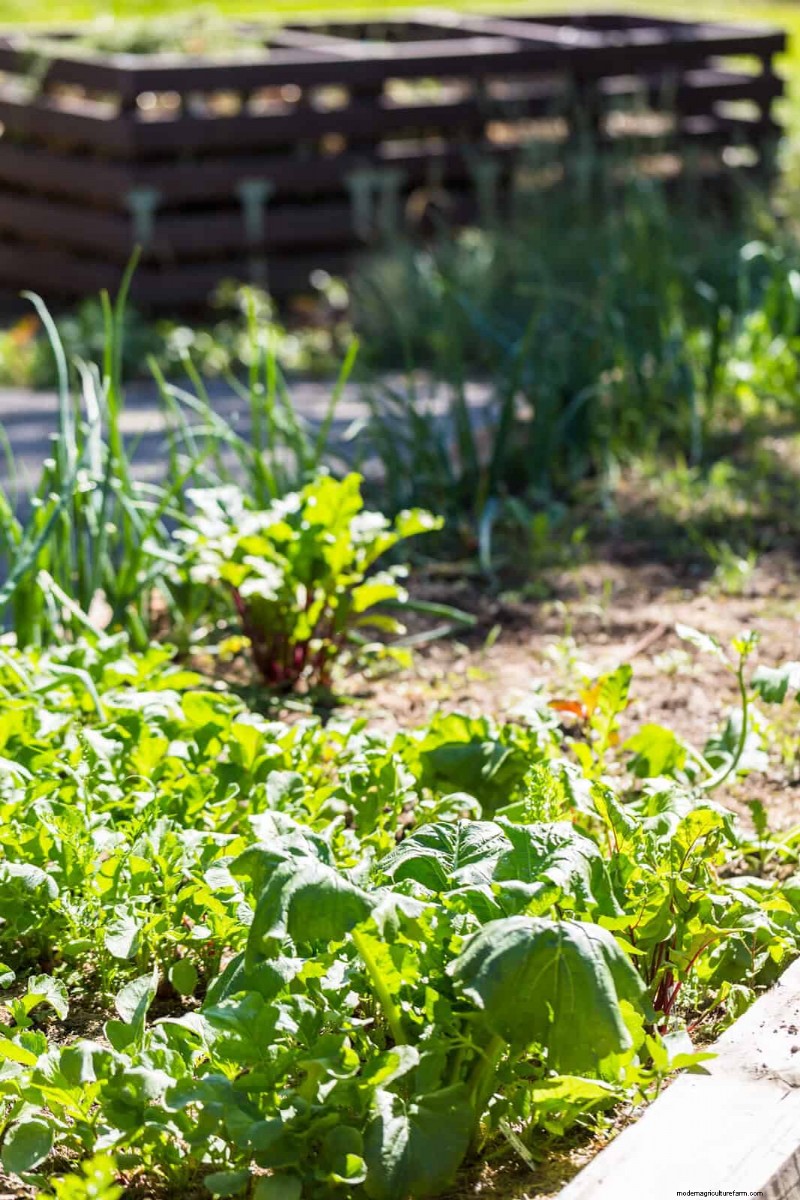
If you do only one thing for your soil, do this. Oregon State University Extension recommends working 2 to 3 inches of compost into the surface for new beds, then adding at least 1 inch each year after that.
 DepositPhotos.com
Compost feeds the entire soil food web at once. It boosts moisture retention in sandy soil, improves drainage in clay soil, and slowly releases a balanced range of nutrients to plant roots.
Earthworms and microbes show up to do the rest of the work. The richer the surface layer gets, the less you’ll need to add later.
See more: How To Compost In Florida [A Complete Guide]
We'll email it to you so you can read it later!
By saving, you agree to receive occasional emails. Unsubscribe anytime.
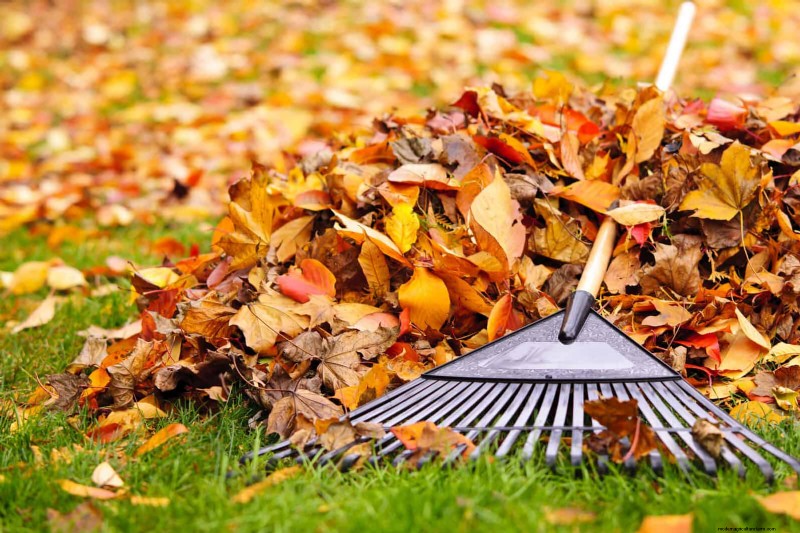
Leaf mold is the gardening world’s quietest superpower. It’s made from nothing more than decayed leaves broken down by fungi over one to three years.
 DepositPhotos.com
The Royal Horticultural Society describes it as a soil conditioner rather than a fertilizer. The structural improvement is what makes it valuable, since one season of leaf mold use can noticeably improve compacted or sandy spots.
You don’t need a fancy bin. Pile leaves in a corner, dampen them, and wait. Shred large leaves first if you want faster results.
This permaculture technique skips the compost pile entirely. You cut spent annuals, comfrey, or designated mulch plants and drop the trimmings right where they grew.
Roots stay in the ground and decompose in place, feeding earthworms and microbes. The aboveground material becomes mulch and breaks down slowly into the topsoil.
Forests build their own topsoil this way every fall. It’s the closest thing to a free soil amendment that exists.
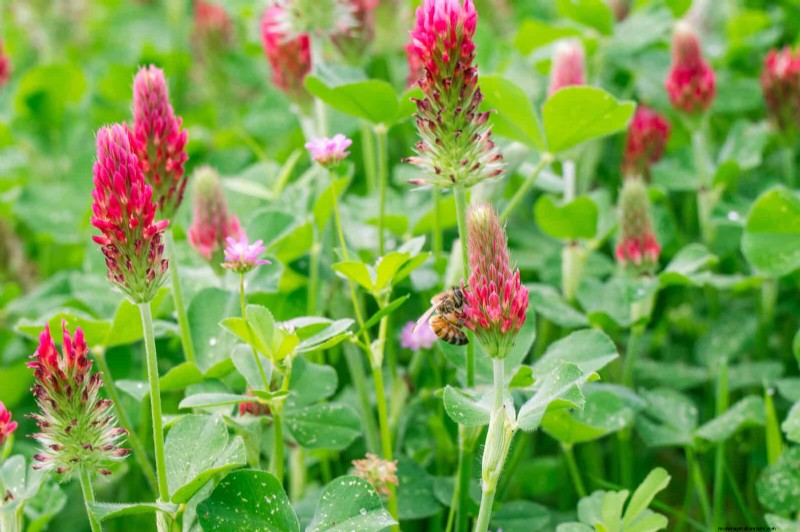
Bare winter soil is wasted soil. Sowing a cover crop in autumn protects the surface from erosion, suppresses weeds, and keeps the microbiome fed through the cold months.
 DepositPhotos.com
Crimson clover, winter rye, and hairy vetch are popular choices. Legumes pull nitrogen out of the air and store it in root nodules, leaving fertility behind for next spring’s tomatoes.
Cut the cover crop down at flowering and turn it lightly into the top inch of soil. The fast green decomposition acts like a free in-place compost application.
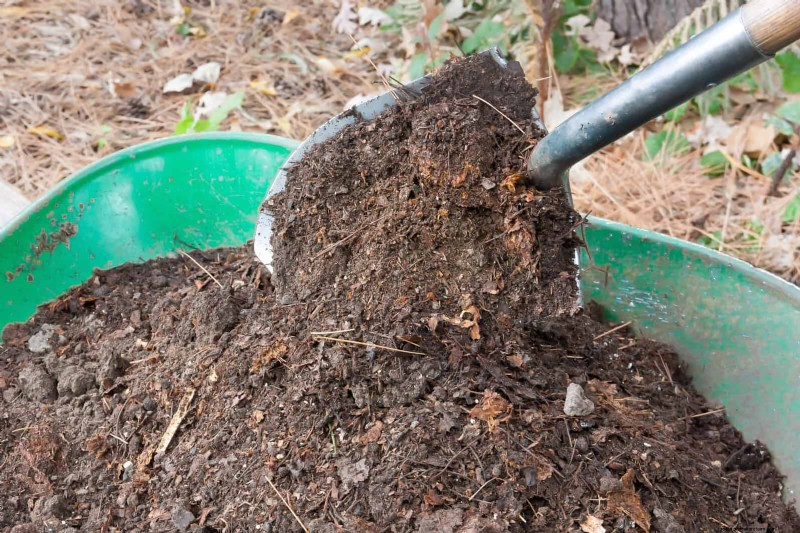
Cold-weather amendments work harder than you’d think. Fall is the absolute best time to apply manure or compost on top of clay soil because the natural freeze-thaw cycles do the heavy lifting through winter.
 DepositPhotos.com
Earthworms move the material deeper through their tunnels. Frost heaving physically pulls the amendments down into the soil profile.
By spring your beds are workable, fluffy, and ready to plant without further effort.
If you’re planning your seasonal garden tasks, take a look at our guide to 20 March Gardening Tasks You’ll Regret Skipping.
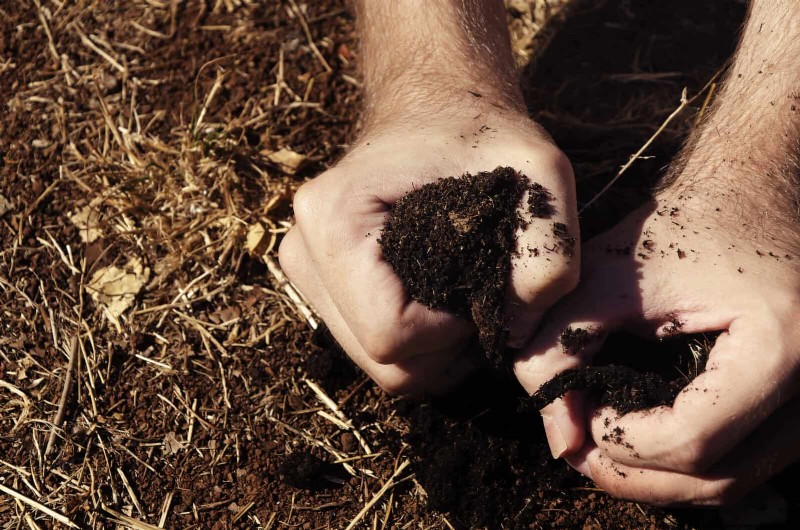
Tilling looks productive, but it tears apart the fungal networks that healthy plants rely on. Frequent tilling reduces mycorrhizal effectiveness and contributes to long-term erosion.
 DepositPhotos.com
The no-dig approach is simpler. Each season, lay a 1- to 2-inch layer of compost or worm castings on top, then plant directly into it.
Soil structure builds upward over time, creating that dark, crumbly texture that makes weeding nearly effortless.
Worm castings (technically vermicompost) are concentrated, gentle, and beneficial in nearly any quantity. They contain nitrogen, phosphorus, potassium, and a parade of microbes that support nutrient uptake.
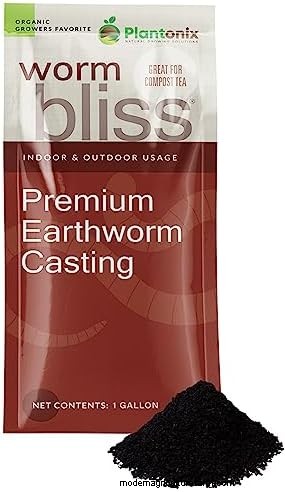
View on Amazon
Unlike synthetic fertilizers, castings can’t burn roots. You can mix them into seed-starting trays or use them as a top dressing for established plants without measuring carefully.
A small bag goes a long way. A half cup sprinkled around a tomato plant will outperform a full handful of cheap granular fertilizer.
Biochar is one of the oldest soil amendments still in active use. Pre-Columbian Amazonians made terra preta soils so rich they remain fertile thousands of years later.
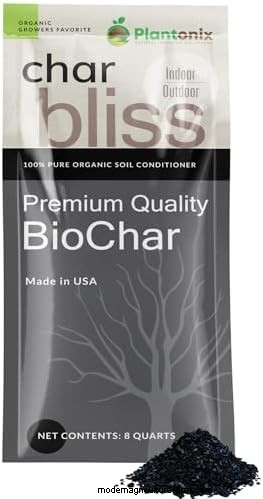
View on Amazon
The trick is to charge biochar before applying it. Fresh biochar will absorb available nutrients and starve plants for a season, so soak it in compost tea or layer it under aged manure for several weeks first.
Biochar can hold up to six times its weight in water while still allowing root respiration. Dry-summer gardens benefit most from adding it.
Wood chips solve four problems at once. They suppress weeds, retain moisture, regulate soil temperature, and break down slowly to feed fungal life.
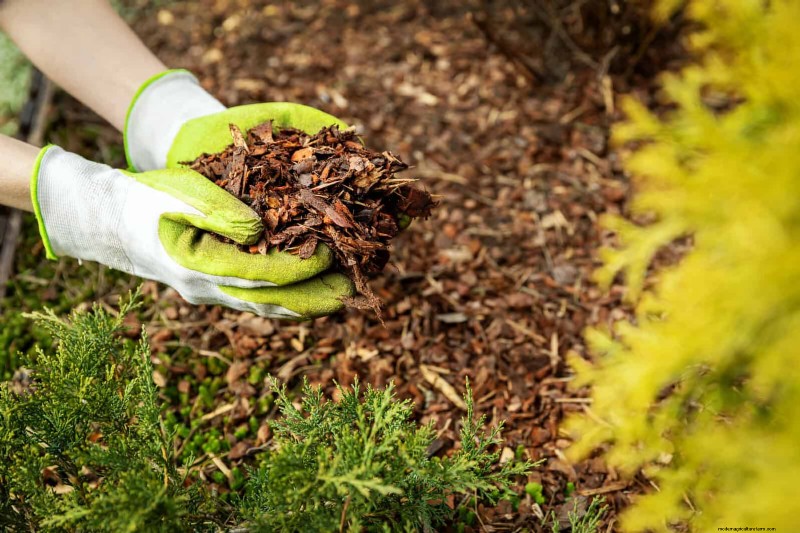 DepositPhotos.com
Apply 2 to 4 inches of chips around perennials, shrubs, and trees. Keep the layer thinner near vegetable crops, since heavy mulch can rob nitrogen during decomposition right at the surface.
Free chips are usually available from local arborists. ChipDrop and similar services match homeowners with crews that need somewhere to dump their daily loads.
Gypsum is the rare amendment that targets a specific clay-soil problem. When sodium causes clay particles to repel each other and pack down, gypsum supplies calcium that displaces the sodium and lets the clay aggregate again.
 DepositPhotos.com
The result is better drainage and a more workable surface within a season or two. Standard rates are around 40 to 50 pounds per 1,000 square feet.
Gypsum will not lower pH the way some packaging suggests, so don’t apply it for that purpose. Test first and confirm sodium is the actual issue.
Most plants form partnerships with mycorrhizal fungi that effectively extend their roots by hundreds of feet. The fungi pull water and phosphorus from places roots can’t reach, in exchange for sugars from the plant.
Three habits protect these networks. Skip frequent tilling, avoid high-phosphorus fertilizers, and minimize fungicide applications.
Soils that are high in organic matter, well drained, and minimally tilled usually have a healthy and abundant mycorrhizal population. You almost always get more value from feeding the soil than from buying fungal inoculants.
Earthworms are unpaid garden labor. They tunnel through compaction, mix organic matter into the topsoil, and leave behind castings richer than the surrounding dirt.
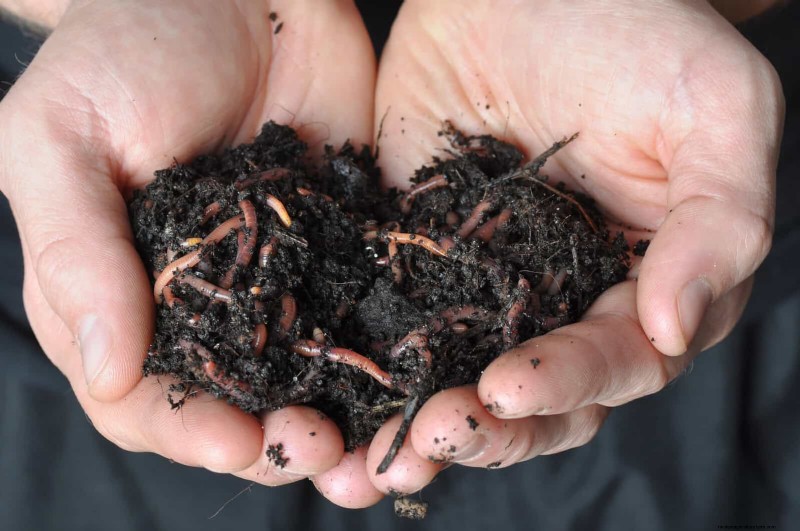 DepositPhotos.com
Their numbers are a quick health indicator. Dig a square foot of garden soil to a 6-inch depth and count what you find. Healthy beds typically show 10 or more earthworms in that volume.
If you find none, the soil is likely too dry, too compacted, or too low in organic matter. Add compost and mulch, then check again next spring.
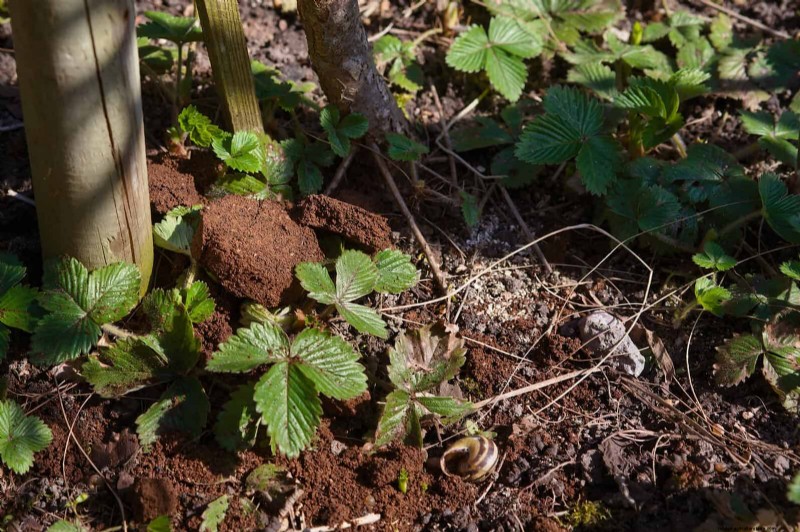
The myth that coffee grounds dramatically lower pH has not held up in research, according to the University of Minnesota Extension. What grounds actually deliver is carbon, nitrogen, and a small parade of compounds that feed soil organisms.
 DepositPhotos.com
Treat them like any other organic matter. A thin sprinkle worked into beds is fine, but inches of pure grounds piled on top can crust over and repel water.
Mixing them into a working compost pile gets the best results. There they break down alongside other inputs and become a useful part of the finished compost.
Legumes are the cheapest fertilizer machine available. Their roots host bacteria called rhizobia that pull atmospheric nitrogen out of the air and store it in tiny root nodules.
 DepositPhotos.com
Alfalfa fixes about 100 to 250 kilograms of nitrogen per hectare per year, while hairy vetch fixes 90 to 200 kilograms in the same conditions. Garden-scale numbers translate that into pounds of free fertilizer for whatever crop follows.
Bush beans, peas, peanuts, and clovers all do the same job at smaller scales. Rotate them through different beds each year so every section benefits.
A hugelkultur bed is a permaculture trick that buries logs under several inches of compost and topsoil. As the wood breaks down over the years, it acts like a giant moisture sponge underneath the planting layer.
The benefits build slowly. Year one, the mound holds water; year three, it holds water and supplies nutrients; year five, the inner core has decomposed into rich, dark soil that needs almost no irrigation.
These beds work especially well in dry climates or on slopes where bare ground sheds water. They take effort to build, but the payoff lasts a decade.
Most vegetable crops prefer a slightly acidic to neutral pH, somewhere between 6.0 and 7.0. Blueberries and azaleas want it lower; lawns and many flowering shrubs want it slightly higher.
Pelletized garden lime raises pH gradually, while elemental sulfur lowers it. Both are slow, with measurable changes taking months rather than weeks.
Apply only the amount your soil test recommends, and re-test the following season. Big swings in either direction stress plants and disrupt microbial life.
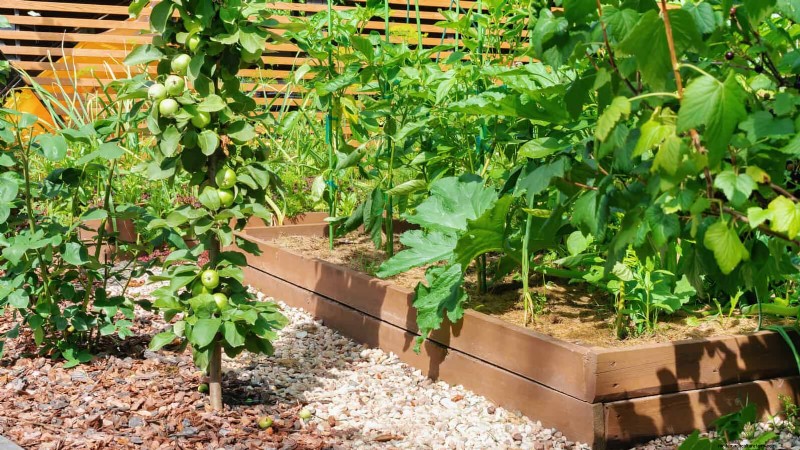
Rotating crops disrupts pest cycles, balances nutrient uptake, and limits the soilborne diseases that build up under continuous monoculture. The classic rule is to never grow the same plant family in the same bed two years in a row.
 DepositPhotos.com
Heavy feeders like tomatoes and corn pull a lot of nitrogen out of the soil. Following them with legumes lets the bed recover, and following the legumes with leafy greens uses up the new nitrogen efficiently.
Even a small four-bed garden benefits from a written rotation plan. Photograph each season’s layout so you remember what was where.
For more season-spanning advice, see our guide to 15 Seasonal Garden Maintenance Mistakes That Set You Back Every Year.
Annual Soil-Building Checklist
Building great soil is the single most rewarding investment a gardener can make. Every layer of compost, every cover crop, and every shovel left in the shed compounds across the years.
Three or five seasons in, the difference is unmistakable. Plants need less water, fewer rescue interventions, and far less fussing, because the soil itself is doing the heavy lifting.