![Toro Mower Fuel: Regular or Mixed Gas? | [Your Brand/Website]](https://modernagriculturefarm.com/article/uploadfiles/202211/2022111711183634_S.jpg)
Welcome to Modern Agriculture!

Spring is the season when lawns either set themselves up to thrive all year or quietly get sabotaged in ways that only show up in July. The mistakes are almost always small, well intentioned, and based on outdated advice passed down at the hardware store.
 DepositPhotos.com
University extension programs, including Kansas State and Virginia Tech, publish seasonal guidance every year because even experienced homeowners repeat the same few missteps.
Here are 15 spring lawn habits that set you up for a terrible summer, and what to do instead. Fix even half of these and your grass will look noticeably better by June.
Scalping the lawn in April feels satisfying, like giving the yard a fresh haircut. It is also one of the fastest ways to invite crabgrass, drought stress, and bare patches by midsummer.
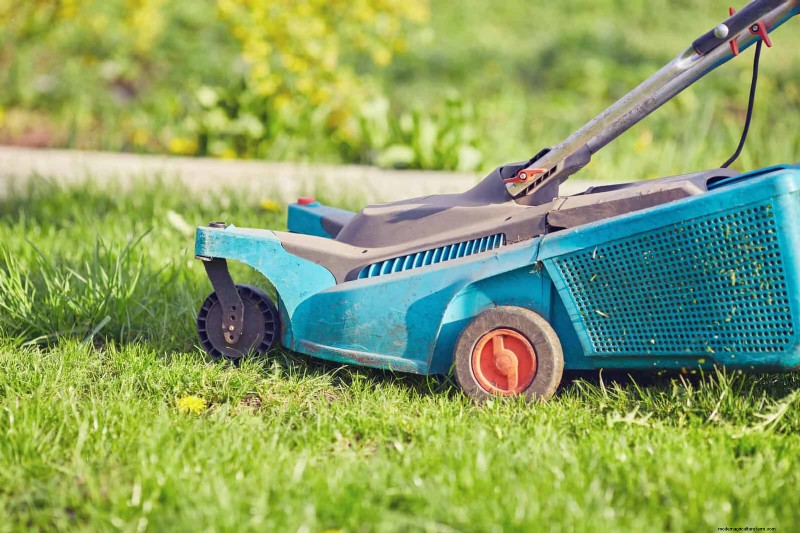
The one-third rule still holds: never remove more than a third of the blade in a single pass. For most cool-season grasses, keep the mower set between three and four inches. Taller grass shades the soil, slows evaporation, and crowds out weed seedlings before they get a foothold.
A dull blade does not cut grass. It tears it, leaving shredded tips that turn straw colored within a day or two and give the whole lawn a dusty, unhealthy look from twenty feet away.
Sharpen (or replace) the blade at the start of the season, and again around midsummer if you mow a larger property. The difference after the first cut with a sharp edge is obvious.
We'll email it to you so you can read it later!
By saving, you agree to receive occasional emails. Unsubscribe anytime.
A 65 degree Saturday in March is not a signal to fertilize. It is a signal to wait.
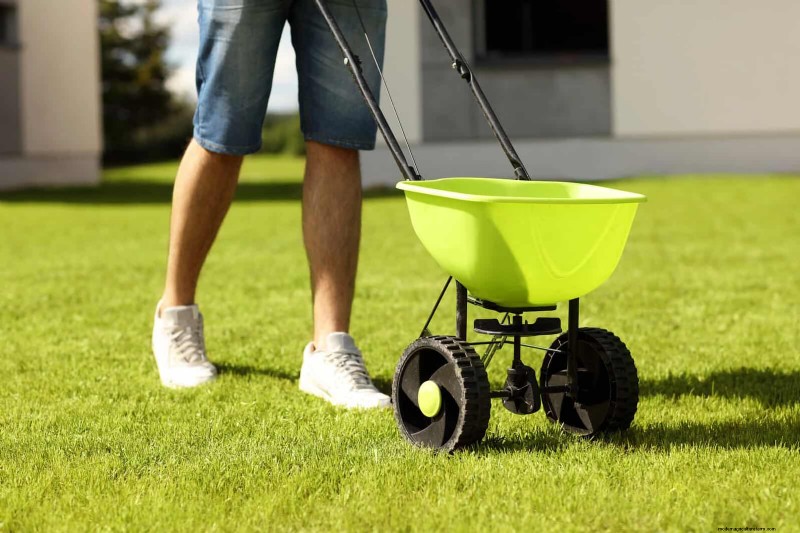
Feeding dormant or barely waking turf pushes soft top growth the roots cannot support, and it feeds weeds that are further along than your grass. Wait until you have mowed two or three times on a normal schedule before the first application. That is the simplest signal that the lawn is ready to use the nutrients.
 DepositPhotos.com
Most people fertilize based on the bag, not the soil. That is how lawns end up with a locker full of nutrients the grass cannot absorb because the pH is off.
A basic soil test through your county extension office usually runs between $15 and $30 and tells you pH, phosphorus, potassium, and organic matter. Grass prefers a pH between 6.0 and 7.0. If you have not tested in the past 3 years, you are guessing.
See more: Should You Add Lime To Sandy Soil?
Daily shallow watering trains roots to stay near the surface where they fry in the summer heat.
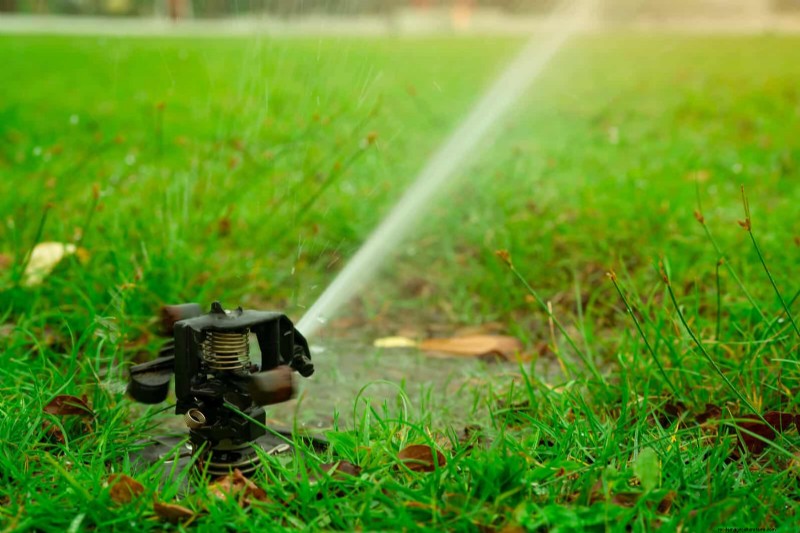
Aim for 1 inch of water per week, delivered in 1 or 2 deep soakings. If using the “tuna can” method, do not fill it to the brim (most cans are 1.5″ deep). Stop when you have 0.5″ to 1″ of water in the can.
 DepositPhotos.com
Crabgrass seeds germinate as soon as the soil hits 55°F. If you wait until you see the weed, it’s too late for pre-emergent.
Apply pre-emergent when soil temperatures are consistently between 50°F and 55°F. Use an online soil temperature tracker for your zip code to time this perfectly.
Standard pre-emergent herbicides do not distinguish between weed seeds and grass seeds. They block both.
If you plan to overseed thin areas this spring, you have to choose one or the other, or wait roughly ninety days between applications. Otherwise the bag of expensive seed you just spread will simply not come up, and you will blame the seed.
Pro Tip: If you have bare patches to fix and a crabgrass problem to prevent, spot-treat the crabgrass zones with pre-emergent and overseed only the thin areas. Treat them as two separate projects in two separate parts of the yard.
Dethatching is a violent process that most lawns don’t actually need every year.
Don’t use a screwdriver to test for thatch (which tests for compaction). Instead, cut a small wedge out of your turf with a spade. If the brown, spongy layer between the soil and the green blades is over 0.5 inches, then you need to dethatch, ideally in the fall.
Compacted soil is the silent killer. Water runs off instead of soaking in, roots cannot push down, and fertilizer sits uselessly on top.
If your lawn gets heavy foot traffic, or if puddles form after normal rain, core aeration in spring or fall will do more for your turf than any fancy product. Pull plugs, not spikes. Spikes just compress the soil sideways.
A single sunny Saturday in early March feels like go-time. It rarely is.
Kansas State Extension points out that warm-season grasses can still be fully dormant while the air temperature climbs into the seventies. Walking across wet, half-frozen soil compacts it, and raking dormant grass tears out crowns you cannot see. Be patient for another two or three weeks. The lawn will tell you when it is ready by actually starting to green up.
If you’re looking for more timely seasonal tasks, take a look at our list of 20 March Gardening Tasks You’ll Regret Skipping.
Bagging clippings is one of the easiest ways to rob your lawn of free fertilizer.
Short clippings break down within a week and return nitrogen, potassium, and organic matter back to the soil. They do not cause thatch, despite the common belief. Mulch when you mow, and only bag when the grass is soaking wet or the clumps are so heavy they smother the lawn.
That half empty bag in the garage looks fine. The active ingredients inside it often are not.
Granular herbicide products can degrade after exposure to humidity and temperature swings, especially if the bag has been opened. At best you waste an afternoon spreading a neutered product.
At worst you burn the lawn with uneven coverage because the granules have clumped. Buy fresh each spring and store the bag sealed in a cool, dry place.
Spot treatment exists for a reason.
Broadcasting herbicide across the entire yard to handle a patch of dandelions by the driveway costs more, stresses healthy turf, and reduces the microbial life in the soil. A small pump sprayer and twenty minutes of targeted work do a better job. Save the broadcast applications for genuinely widespread problems.
Edges are where lawns quietly lose ground every year. Grass creeps into beds, mulch migrates into the turf, and weed seeds hide in the transition zone.
Crisp edges in April, redone with a half moon edger or a string trimmer held vertically, set a clear boundary the mower can follow for the rest of the season. This one step makes even a mediocre lawn look cared for.
Aerating, dethatching, overseeding, fertilizing, and applying pre-emergent in one forty-eight hour blitz is a recipe for a stressed, confused lawn.
Spread the work over four to six weeks. Start with cleanup and soil testing, then move to aeration if needed, then pre-emergent, then the first fertilizer pass, and finally overseeding (if you skipped pre-emergent in those spots). A staged schedule matches what the grass can actually absorb.
Spring Lawn Checklist
The lawns that look best in August are almost never the ones that got the most product in April. They are the ones that got the right work, in the right order, at the right soil temperature.
Fix the mistakes on this list one by one, and the payoff shows up exactly when everyone else’s yard is going crunchy. That is the whole game.