Welcome to Modern Agriculture!

You spent weeks prepping beds, amending soil, and carefully transplanting seedlings into the ground. Then summer arrives, and a handful of avoidable mistakes quietly erase all that effort.
The good news is that most summer garden failures come down to timing, technique, or simple neglect. Once you know what to watch for, keeping your garden thriving through the hottest months becomes much more manageable.
Here are 17 summer garden mistakes that can undo your spring work, along with what to do instead.
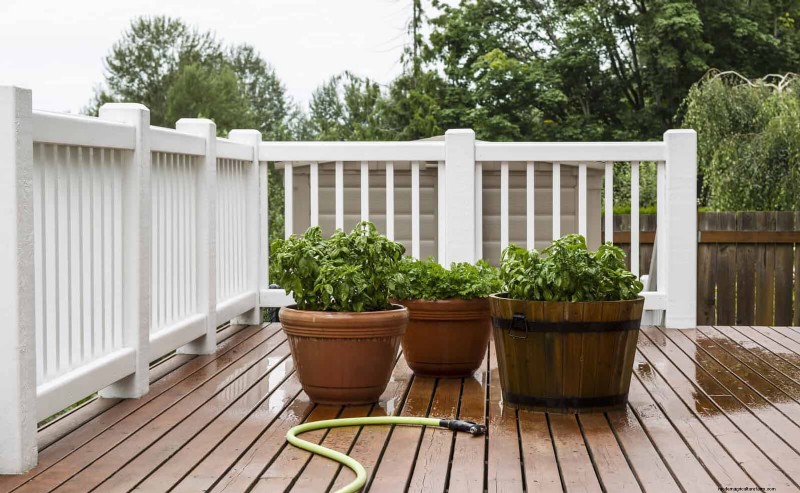
Watering your garden at noon or in the early afternoon feels productive, but most of that moisture never reaches the roots. University extension programs estimate that up to 30% of midday water evaporates before it can soak into the soil.
 DepositPhotos.com
Early morning is the ideal window, roughly between 5 and 9 a.m. Temperatures are cooler, winds are calmer, and the water has time to penetrate the root zone before the sun intensifies.
If mornings don’t work for your schedule, early evening is a reasonable backup. Just avoid leaving foliage wet overnight, which can invite fungal diseases.
Daily light watering trains roots to stay near the surface where they’re more vulnerable to heat stress. A quick sprinkle might dampen the top inch of soil, but everything below stays dry.
The better approach is to water deeply and less often. Stick a finger two inches into the soil; if it feels dry at that depth, it’s time to water. A long, slow soak encourages roots to grow downward where moisture and cooler temperatures are more consistent.
A soil moisture meter takes the guesswork out of this entirely. The XLUX Soil Moisture Meter gives you an instant reading so you know exactly when your plants need water. (Amazon)
We'll email it to you so you can read it later!
By saving, you agree to receive occasional emails. Unsubscribe anytime.
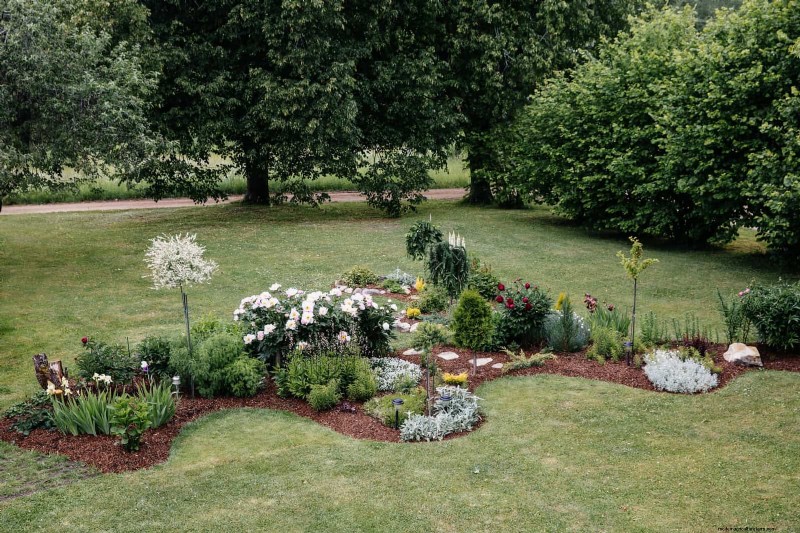
Bare soil in summer is an open invitation for trouble. Without a protective layer, the sun bakes the top few inches, roots overheat, and moisture evaporates rapidly.
 DepositPhotos.com
A 2- to 3-inch layer of organic mulch (straw, shredded bark, or wood chips) keeps soil temperatures significantly cooler and reduces watering needs. Mulch also slows weed germination by blocking sunlight from reaching dormant seeds.
Mulch is essential, but piling it into a cone against tree trunks and shrub bases does real damage over time. This “volcano” shape traps moisture against the bark, encouraging fungal growth, rot, and pest infestations.
Pull mulch back so it sits two to three inches away from the trunk or main stem. The ring should look more like a donut than a volcano: flat and even with a gap around the base.
Scalping the grass to dirt level might seem like a way to mow less often, but it backfires quickly. Short grass blades can’t photosynthesize efficiently, which slows growth and weakens the root system.
During summer, raise your mower blade to leave grass at three to four inches tall. The extra height shades the soil, reduces water evaporation, and gives roots better protection from heat stress.
See more: 15 Spring Lawn Mistakes That Set You Up for a Terrible Summer
It’s tempting to shape up overgrown shrubs and perennials when you’re already out in the garden. But pruning during extreme heat puts plants under double stress: they lose protective foliage just when they need it most.
Freshly cut stems and newly exposed inner leaves haven’t developed the tolerance to handle intense direct sunlight. The result is sunscald, wilting, and sometimes permanent damage to branches that were doing just fine before.
If you’re considering how and when to cut back your perennials, take a look at our guide to Avoid These 15 Perennial Cutting Back Mistakes That Weaken Spring Growth.
When flowers fade and you leave the spent heads on the plant, the plant redirects its energy toward seed production. That means fewer new blooms and a garden that looks tired well before the season ends.
Regular deadheading keeps annuals and many perennials flowering continuously. A quick pass through the garden every week or two with a pair of snips makes a noticeable difference in bloom output through August and September.
Not every plant needs deadheading, though. Self-cleaning varieties like impatiens and calibrachoa drop their spent flowers on their own.
A few weeds in June become hundreds by August if they’re allowed to flower and set seed. Each weed that completes its life cycle deposits dozens (sometimes thousands) of seeds back into your soil, creating problems that persist for years.
Pro Tip: Five minutes of weekly weeding prevents hours of future work. Pull weeds before they flower, and toss flowering weeds in the trash rather than the compost bin. Most home compost piles don’t reach temperatures high enough to destroy weed seeds reliably.
More fertilizer doesn’t mean more growth, especially when temperatures climb above 85°F. Excess nitrogen during hot weather can burn roots and foliage, pushing plants to produce tender new growth that’s immediately stressed by the heat.
If you fertilize, do it on a calm, dry morning and follow label rates carefully. Many experienced gardeners stop fertilizing entirely during peak summer heat and resume when temperatures moderate in early fall.
Slow-release organic options like compost or fish emulsion are gentler alternatives that feed the soil gradually without the risk of chemical burn.
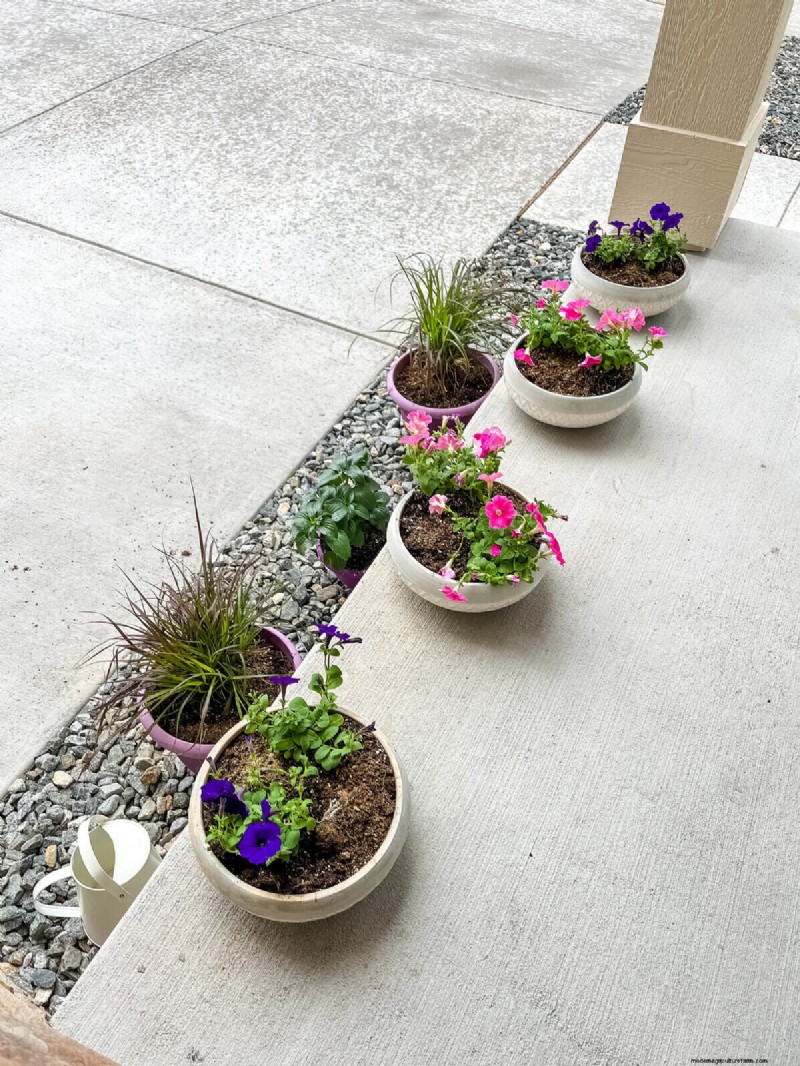
In-ground plants have a buffer of surrounding soil to regulate temperature and hold moisture. Container plants don’t have that luxury. Pots heat up fast in direct sun, and smaller containers can dry out completely in a single afternoon.
 DepositPhotos.com
During the hottest weeks, container plants may need water every day or even twice daily. Clay and terra cotta pots are especially prone to drying out because the material itself is porous and wicks moisture away.
Move heat-sensitive containers to spots that get afternoon shade. Grouping pots together also helps, since clustered containers create a small microclimate that retains moisture better than isolated pots.
Spring planting season is exciting, and it’s easy to squeeze in one more tomato or pepper plant while there’s still room. By midsummer, those plants have grown into each other, blocking airflow and creating conditions ripe for fungal diseases like blight and powdery mildew.
Good air circulation helps foliage dry quickly after rain or watering, which is one of the simplest ways to prevent disease. Indeterminate tomatoes, for example, need 24 to 36 inches between plants to stay healthy.
A few aphids on a leaf in June don’t seem like a crisis, but pest populations can explode in warm weather. By the time you notice significant damage, the infestation may be well established and much harder to manage.
Check your plants weekly, turning over leaves and inspecting stems. Early intervention with hand-picking, a strong spray of water, or targeted organic treatments like neem oil is far more effective than trying to rescue a heavily damaged plant later.
This mistake usually originates in spring when the tree canopy hasn’t fully leafed out yet. A spot that gets six hours of sun in April might only get two by July once surrounding trees are in full foliage.
Pay attention to how light patterns shift as the season progresses. If a sun-loving vegetable starts producing fewer flowers or stretching toward light, it may need to be relocated next season.
Planting at the right time matters just as much as planting in the right spot, and some spring planting timeline mistakes can set you up for problems all summer long.
Dumping fertilizer or lime onto your garden without knowing what the soil actually needs is like adding salt to a dish you haven’t tasted. You might make things worse.
A basic soil test through your local cooperative extension office costs very little and tells you exactly what nutrients are lacking (or excessive). The results also reveal your soil’s pH, which affects how well plants can absorb nutrients regardless of what you add.
Zucchini left on the vine for a few extra days turns into a baseball bat. Overripe tomatoes split and attract insects. Beans that aren’t picked regularly stop producing new pods altogether.
Frequent harvesting signals the plant to keep producing. For most summer vegetables, checking every day or two during peak season ensures you’re picking at the right size and flavor.
Direct-sown crops like carrots, beets, and lettuce need thinning once they germinate. Skipping this step means every seedling competes with its neighbors for water, nutrients, and light, and none of them thrive.
Thin when seedlings have their first set of true leaves. It feels wasteful to pull out perfectly healthy plants, but the ones you leave behind will grow dramatically better with adequate space. Use the thinnings in salads or transplant them to another spot if conditions allow.
Quick Thinning Guide
Two weeks of neglect in July can undo months of careful tending. Weeds take over, pests multiply unchecked, ripe vegetables rot on the vine, and plants that needed consistent water wilt beyond recovery.
Before you leave, water deeply, add a fresh layer of mulch, and harvest everything that’s close to ripe. Ask a neighbor or friend to check in every few days, even if it’s just to water and pick ripe tomatoes.
A programmable hose timer is an affordable safeguard that keeps beds hydrated while you’re away. The QUOBAS Brass Sprinkler Timer lets you set automatic watering schedules so your garden stays on track even when you can’t be there. (Amazon)
Summer gardening doesn’t require perfection, but it does reward consistency. Most of these mistakes come down to small habits: checking soil moisture before watering, pulling weeds before they seed, and paying attention to how your plants respond to the heat.
Catch these issues early, and the garden you built in spring will carry you all the way through fall harvest.