Welcome to Modern Agriculture!

You picked every plant from the “heat-tolerant” section at the nursery, followed the tag instructions, and still watched your garden droop before Independence Day. The problem usually isn’t the plant itself. It’s a handful of avoidable missteps that sabotage even the toughest sun-lovers before they get a chance to prove themselves.
A 2022 Royal Horticultural Society survey found that gardeners across climate zones reported significant losses in plants marketed as heat-tolerant during extreme summer temperatures. Many of those failures traced back to planting practices, soil prep, and timing rather than the genetics of the plant.
Here are 17 mistakes that send supposedly bulletproof plants into a July slump.
A plant labeled heat-tolerant in a Pacific Northwest nursery may be rated for 85°F days, not the 105°F scorchers common in Texas or Arizona. USDA hardiness zones tell you about winter cold, but they say nothing about summer heat. The American Horticultural Society’s Plant Heat Zone Map is the tool that actually predicts whether a plant can handle your summers.
Look for the AHS heat zone rating on the tag or look it up online before you buy. If a plant is rated for heat zones 1 through 6 and you live in zone 9, that “heat-tolerant” label means nothing in your garden.
Late spring seems like a logical time to add heat-lovers to the garden, but it often backfires. Plants need weeks of moderate temperatures to grow roots deep enough to sustain them through summer stress. Drop them into the ground in May or June and they face triple-digit heat before they’ve anchored themselves.
Early spring (as soon as the last frost passes) or early fall gives roots time to spread while the soil is warm but the air isn’t punishing. Allow at least six to eight weeks of mild weather for root establishment before the first heat wave hits.
See more: 15 Spring Planting Timeline Mistakes for Your USDA Zone
We'll email it to you so you can read it later!
By saving, you agree to receive occasional emails. Unsubscribe anytime.
Daily light sprinkles keep the top inch of soil moist and train roots to stay near the surface. That’s exactly where soil dries out first on a 95°F afternoon.
A single deep soak two or three times a week encourages roots to grow downward into cooler, moister soil layers. Water until the top six to eight inches of soil are saturated, then let the surface dry between sessions. Surface-rooted plants wilt fast because their water supply evaporates before noon.
 DepositPhotos.com
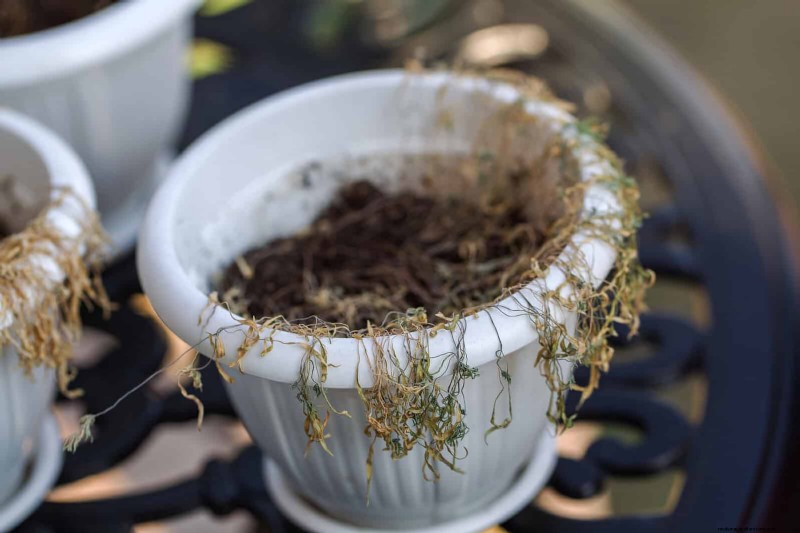
Plenty of well-watered plants droop between noon and 4 p.m. on a scorching day, then perk right back up by evening. This temporary wilt is a self-defense move: the plant curls its leaves to reduce the surface area exposed to the sun. Grabbing the hose every time you see a limp leaf leads to waterlogged soil and root rot.
Before watering, stick your finger two inches into the soil. If it feels damp, the plant is just taking a midday nap and will recover on its own once temperatures cool.
A soil moisture meter takes the guesswork out of this entirely. The Luster Leaf Rapitest 4-Way Digital Soil Analyzer reads moisture, pH, temperature, and light levels so you always know what your soil actually needs. (Amazon)
Afternoon watering in full sun creates a steam-bath effect around foliage. Water evaporates so quickly that very little actually reaches the root zone, and you end up wasting water while still leaving the plant thirsty.
Early morning is the best window because roots absorb moisture before the heat kicks in and leaves have time to dry, which reduces fungal disease risk. If morning isn’t possible, late evening works as a backup.
Did You Know? The old belief that water droplets on leaves act like tiny magnifying glasses and cause leaf burn has been debunked by researchers. The real problem with midday watering is efficiency: most of the water evaporates before it reaches the roots.
 DepositPhotos.com
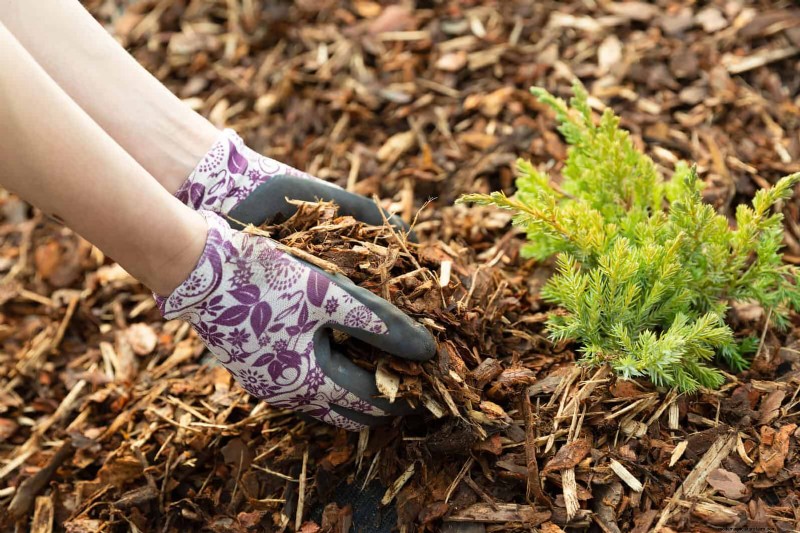
Bare soil around heat-tolerant plants is an open invitation for trouble. Without a protective layer, the sun bakes the top few inches of soil to temperatures that can damage shallow roots. On a 95°F day, exposed dark soil can reach 140°F at the surface.
Two to three inches of organic mulch (wood chips, shredded bark, or pine needles) keeps the soil surface 10 to 20 degrees cooler and slows moisture evaporation dramatically. Mulch also suppresses weeds that compete with your plants for water during the hottest months.
That sunny strip between the driveway and the sidewalk feels like a prime spot for tough, sun-loving plants. In reality, concrete and asphalt absorb heat all day and radiate it back onto nearby plants well into the evening.
Surface temperatures on black asphalt can exceed 150°F, and the reflected heat pushes the air temperature around adjacent plantings 10 to 15 degrees above the ambient reading.
If you must plant near hardscaping, choose plants rated for at least one heat zone above yours and add a generous mulch buffer. A light-colored gravel border between the pavement and the planting bed also helps deflect some of that radiant energy.
Compacted soil is a hidden plant saboteur that many gardeners overlook. When soil particles are pressed tightly together, they squeeze out the air pockets that roots need to breathe and water needs to travel through.
The result is roots that stay shallow, drainage that stalls, and a plant that wilts even when you water regularly. Foot traffic, heavy rain on bare soil, and over-tilling with a rototiller all contribute to compaction.
Before planting, work two to four inches of compost into the bed to break up dense clay and create the porous structure that heat-tolerant roots depend on.
If you’re looking to avoid similar problems that snowball into summer, our guide to 15 Spring Lawn Mistakes That Set You Up for a Terrible Summer covers the groundwork that matters most.
Burying the crown or root flare below the soil line is one of the most common planting-day mistakes. It feels instinctive to tuck the plant in deep for stability, but extra soil around the stem traps moisture and cuts off oxygen to the root crown.
Fungal infections and slow decline follow, and you blame the heat when the real cause was planting depth. The general rule is simple: the top of the root ball should sit level with the surrounding soil surface. For trees and shrubs, the root flare (where the trunk widens into roots) should always be visible above grade.
Fertilizer contains salts, and salts pull moisture away from roots through osmosis. Apply a strong dose during 100°F weather and you amplify the stress your plant is already under.
Fertilizer burn shows up as brown leaf tips, crispy edges, and wilting that looks a lot like drought but doesn’t improve with watering. Hold off on fertilizer when temperatures stay above 85°F for extended stretches.
If you need to feed during summer, use a diluted liquid fertilizer at half strength in the early morning when temps are cooler.
Cutting back a heat-stressed plant seems helpful, like trimming dead weight so the plant can focus its energy. However, pruning stimulates new growth, and new shoots are soft and extremely vulnerable to heat damage. You also remove foliage that was shading the plant’s inner branches and roots from direct sun.
July is often the worst month to prune because heat stress and active pest cycles combine to slow recovery. If you must remove dead or damaged growth, do it early in the morning, keep cuts minimal, and water the plant well beforehand.
When a plant is suffering in full sun, moving it to a shadier spot feels like the compassionate choice. The reality is that transplanting severs roots and puts the plant through shock at the exact moment it has the fewest resources to recover.
A plant that was merely wilting from afternoon heat can collapse entirely after a mid-July transplant. Wait for cooler weather in fall to relocate struggling plants. If a plant needs immediate relief, use a temporary shade cloth instead of digging it up.
A shade cloth is one of the most underrated summer garden tools. The Cool Area 55% Sun Shade Cloth clips easily onto stakes or a pergola to give stressed plants a break from the harshest afternoon rays without blocking all the light they need. (Amazon)
Nursery plants spend their early lives in greenhouses with filtered light, consistent moisture, and controlled temperatures. Planting them directly into a sun-blasted garden bed is like sending someone straight from an air-conditioned office to run a marathon in the desert.
Spend seven to ten days gradually introducing new plants to outdoor conditions. Start with a few hours of morning sun, then increase exposure daily until the plant can handle a full day in its permanent spot.
Tight spacing looks lush in spring, but by July it turns into a humid, airless tangle. Poor air circulation around crowded plants traps heat and moisture against the foliage, creating a breeding ground for fungal diseases like powdery mildew.
Follow the spacing recommendations on the plant tag, even if the gaps look uncomfortably bare in April. Those spaces fill in naturally, and your plants will thank you with better airflow and healthier root zones when the real heat arrives.
 DepositPhotos.com
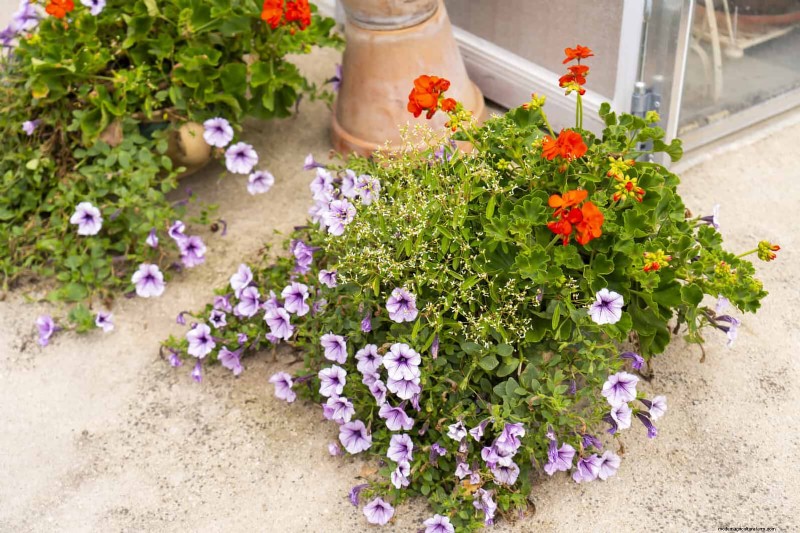
A terra cotta pot sitting on a south-facing patio absorbs heat from every direction: direct sun on the foliage, reflected heat from the deck, and radiant heat through the pot walls. Soil temperatures inside a dark container can climb 20 to 30 degrees higher than the same soil in a garden bed.
Use light-colored pots, double-pot by nesting a smaller container inside a larger one with an air gap, or move containers to a spot that gets afternoon shade. Container plants in summer also need watering far more often than their in-ground counterparts.
If you’re growing in containers, take a look at our guide to Container Gardening for Small Spaces and Low Energy.
A bed that gets four hours of gentle morning light and four hours of reflected western sun off a white stucco wall is not an “eight hours of sun” situation. Reflected afternoon sun is harsher and hotter than direct morning exposure.
Pay attention to where the hottest, most intense light falls in your yard between 2 p.m. and 6 p.m. That’s the window that separates plants that survive July from plants that don’t. Sheer shade cloth rated at 30% to 50% coverage can temper the reflected blast without blocking the light plants need.
Not all varieties of the same plant handle heat equally. Standard English lavender (Lavandula angustifolia) struggles in humidity and extended heat, while Spanish lavender (Lavandula stoechas) thrives in zones 7 through 10. The same split exists with coneflowers, salvias, daylilies, and dozens of other popular garden plants.
Research specific cultivar performance in your region rather than trusting the general species reputation. University extension programs and local master gardener groups are the best sources for cultivar recommendations tailored to your exact climate.
Quick Checklist Before Summer Planting
Heat-tolerant plants earn their label for a reason, but they still need the right setup to live up to that promise. Most July failures come down to timing, soil, water habits, and placement rather than picking the wrong species.
Fix these 17 mistakes and your garden stands a much better chance of looking strong well past the Fourth of July.