
Welcome to Modern Agriculture!

Farming Questions and Answers
Farming is referred to as cultivating crops or keeping animals by people for food, raw materials, etc. Farming is a part of agriculture. Its contribution to the GDP (gross domestic product) has reduced to less than 20% and the contribution of other farming sectors increased at a faster rate. Farming is an important activity for any country and it includes growing crops, vegetables, fruits, flowers. The economy of any country depends on farming.
Farming is very important because it provides food and jobs for many people in India. India has a long agricultural history, which dates back approximately 10 thousand years. Today, India has the 2nd-highest crop output in the world and agriculture-related jobs employ nearly 60% of the total workforce. Though, as India’s population grows, the country is having difficulties meeting the demand for food products like wheat and rice.
Farming is the process of working the ground, planting seeds, and growing several plants. Also, you can describe farming means raising animals for milk or meat. It is also described as the lifestyle and work of people whose jobs are in the agriculture industry. Farming is the practice of cultivating plants and raising livestock animals.
Agriculture in India plays an important role in the entire life of a given economy and it t is mainly referred to as the backbone of the economic system of a given country. Cotton, wool, and leather are all agricultural products. Agriculture is important because it forms the basis of all the food consumed by everybody. It produces vegetables, proteins, and oils. Carbohydrates provide all living beings with energy. These are formed in the form of grains that grow in farms such as rice, wheat, and potatoes. It’s useful to build our body with proteins.
Normally, the dairy business is the most profitable agribusiness in India. To start a dairy business in India you need good capital investment and some guidance from dairy experts. But if done with full passion, it gives good business. Also, the business of mushroom farming can give you more profit in less time.
India is the world’s largest producer of milk, pulses, and jute, etc. India ranks as the 2nd largest producer of rice, wheat, sugarcane, groundnut, vegetables, fruits, flowers, and cotton.
The cost of agricultural land can be bought for Rs 1-8 lakhs per acre that depending on the location and proximity to the city.
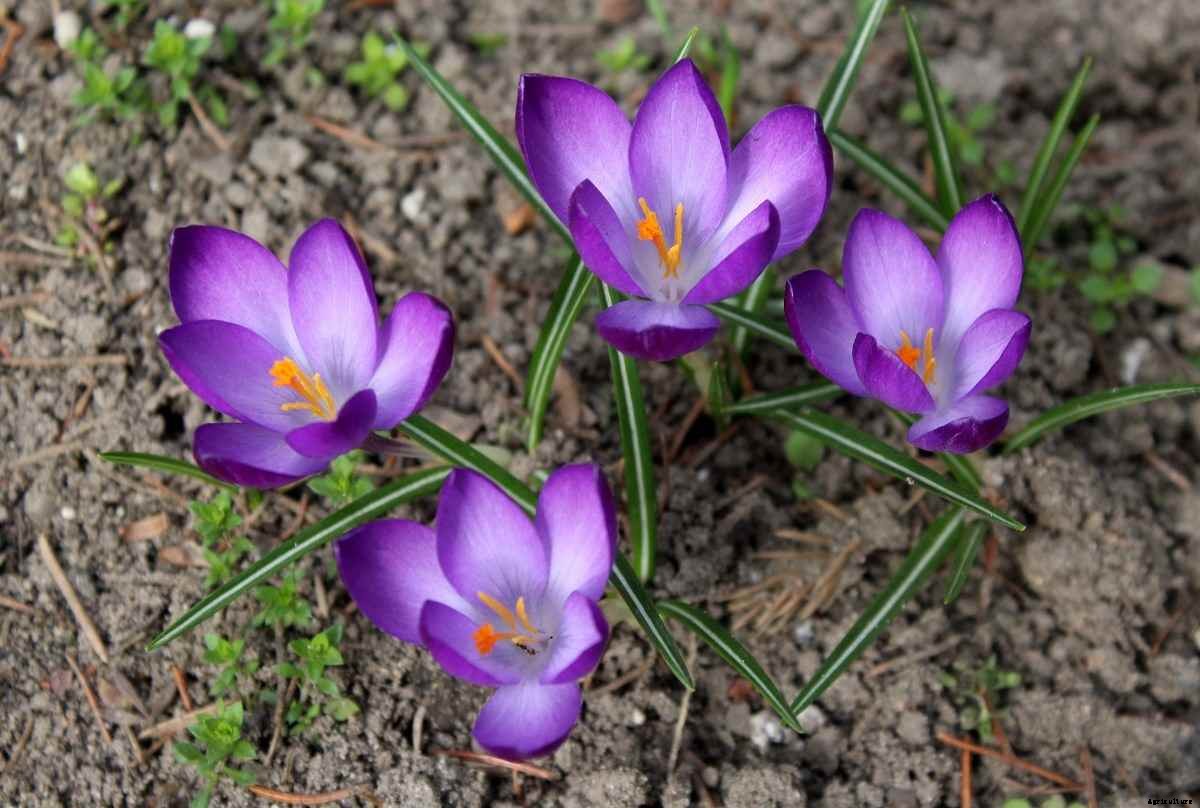
The most expensive crop in the world is Saffron. The cost of Saffron is about 150 to 180 rupees/gram, it’s certainly the most expensive culinary herb.
Agricultural practices are some important principles to apply for farm production methods to get better crop yields. Organic farming in India is an agriculture practice as well as sustainable agriculture. Several key farming practices are;
Loamy soil is the best soil for growing crops because it is a mixture of sand, silt, clay, and humus. Loamy soil has the right amount of water for plant growth.
By applying good soil management ensures that mineral elements and those proper mineral elements enter the food chain. Soils that are properly managed for soil quality produce healthier and higher-yielding crops. Managing soil organic matter is very important because organic matter plays a role in almost all aspects of soil quality. Though, soil organic matter releases plant nutrients as it decomposes, and thus improving soil fertility.
Approximately, you can grow about 200 trees on 1-acre land.
Agricultural practices apply to farm production processes to obtain a better yield. By applying good agricultural practices can reduce the risk of harmful contamination of your produce. Best agricultural practices for reducing microbial contamination ensure that the food that you sell to the public will not cause harm or illness to consumers. Some of the important agricultural practices are;
Soil preparation – Soil preparation is important for plant growth. Before planting a crop, the soil is to be prepared by ploughing, levelling, and manuring.
Sowing – Selection of good quality seeds is the primary stage of sowing. Sowing is the procedure by which seeds are buried inside the soil. After the sowing process, the seeds germinate inside the soil and then grow up to become a complete plant. Germination is also called the sprouting of seeds.
Manuring – In farming, manure is organic matter that is used as organic fertilizer. Manure mainly consists of animal feces and other sources include compost and green manure. It is organic matter used as fertilizer in agriculture. Manures improve soil fertility by adding lots of nutrients like nitrogen that is trapped by bacteria in the soil.
Irrigation – It is the supply of water to land or crops to help grow and increase crop yield.
Weeding – Weeding mainly refers to the removal of weeds. Weed control is done in an early crop stage, as this is more practical (the weed plants are smaller) and more effective.
Harvesting – The harvesting is done properly to maximize crop yield and minimize any crop losses. The harvesting process can be done manually, using hands or knife and it can be done mechanically with the use of rippers, combine harvesters, or other machines.
Storage – It is defined as the method of storing something for future use.
Generally, gross income is the value of the farm’s production. Though, it is calculated by multiplying the physical Output (for example, how many tons of maize was produced) with the price of the product (R/ton). Gross income for a year is the sum of all the crops, or livestock, formed in each season of a year.
Here are some of the popular farming systems;
Arable Farming – With arable farming, the farmer cultivated crops like vegetables, grains, or legumes. It needs slightly sloping land, fertile soil with balanced moisture that is not too dry or wet.
Mixed Farming – Mixed farming is defined as the mixes the planting of crops with the raising of animals on the same piece of land. Most traditional farms practice mixed farming.
Below are the main features of Mixed Farming:
Subsistence Farming – Subsistence farming or agriculture is mainly done to provide food for the farmer and his family.
Shifting Cultivation – Shifting farming is one of the most controversial farming systems, and it occurs when a farmer clears a piece of land, uses it for 3 to 5 years.
Plantation Farming – It is one of the oldest farming systems. It uses a large piece of land to grow specific crops like cotton or tea. It is also sometimes referred to as tree crop farming. Crops are grown for profits means that large tracts of land are required to make this type of farming successful. This form of farming is found in areas that experience a tropical climate.
Livestock Farming – It is similar to arable farming; livestock farming focuses solely on raising animals, not planting crops. Then, this is another farming system that is not very sustainable because the animals’ grazing eventually destroys the land.
Nomadic Farming – In nomadic farming, the farmer moves his or her animals around in search of fresh grazing and water.
There are five branches of agriculture;
Agronomy – It focuses on soil and how different crops react to different types of soil.
Agriculture Engineering – Agriculture engineering focuses on the various machines used in farming and how those machines work.
Horticulture – It mainly focuses on growing varieties of fruits and vegetables.
Agricultural Economics – Agricultural economics focuses on the business and finances of farming.
Animal Science – It mainly focuses on the right way to raise animals to maximize their utility.
Sometimes it is also referred to as soil quality. It is the continued ability of soil to act as an ecosystem for plants, animals, and humans. The influencing factors for soil health are soil management practices, cropping systems, and weather conditions.
Farmers are easily earning 8 to 10 lakhs per acre in a year. Thus, if you don’t have a huge amount of land, you can still earn lakhs.
In India, some of the profitable agribusiness ideas are dairy business, mushroom farming, organic manure production, fertilizer distribution business, a dry flower business, tree farming, organic greenhouse, beekeeping, export of fruits and vegetables, cultivation of medicinal herbs, maize farming, spices processing, goat rearing, potato powder business, and cultivation of vegetables.
Some examples of hand tools in farming include a hatchet, axe, pitchfork, spade, shovel, trowel, hoe, fork, and rake. In some places, the machete can be used as a garden tool as well.
Main Problems often faced by Indian Farmers;
Essential Tips for Growing a Successful Crops are;
The important medicinal plants for Indian homes are Tulsi, Spearmint, Carom, Giloy, Aloe Vera, Curry Leaves, Ashwagandha, Rosemary, Lavender, Aloe Vera, Thyme, Celery, Sunflowers, and Mint.
Some costs that have an impact on the farmer’s income can be controlled, while other people cannot. Farmers cannot always control the price they receive for their products; therefore the best option is to reduce the production costs. Production costs for farming can be categorized into variable costs and fixed costs.
Variable costs – These are short-term costs such as seed, fuel and lubricants, fertilizer, hired labor or wages, electricity, irrigation water, herbicides and insecticides, and packaging material.
Fixed costs – Fixed costs are costs that stay the same regardless of the farm size. Some examples of fixed costs are capital costs of buying farm machineries like a tractor, permanent labor (salaries), and land rent. From a management perspective, high fixed costs usually put pressure on the profitability of a farm and must be managed carefully. A reduction in fixed costs, without affecting production can increase profits.
The total cost of cultivation is equal to the sum of the total variable cost and total fixed cost.
Total income = Yield in kg × Market price of the crop in Rs. /kg
Net Profit = Total Income – Total cultivation cost.
Benefit cost Ratio = Total benefit cost / Crop production cost.
Organic farming is defined as the method of growing plants that avoids the use of synthetic inputs.
Some of the major factors that affect crop production during the farming process are;
Nutrients – There are 18 different nutrients necessary for crop production. Nutrients have a direct impact on things such as protein production, photosynthesis, and root, shoot, and leaf development.
Water Availability – The amount of water your crops receive plays an important role in the number of crops you produce. Too little water and crops will shrivel up and die. Too much water the crops and you end up with wasted water, energy, and labor.
Climate – The climate your crops are planted in heavily influences crop production and yield. Some factors such as humidity, temperature, and wind can wreak havoc on your crops.
Pests and diseases – Pests and diseases damage your plants directly by eating or destroying the plants themselves. But pests also destroy crops in less obvious ways like damaging plant roots, altering the ability of the plant to absorb nutrients.
Environmental factors that affecting crop production are terrain, climate, soil properties, and soil water. Then, it is the combination of these all factors that allow specific crops to be grown in certain areas. Also, other important environmental factors that affect crop growth are light, temperature, water, humidity, and nutrition.
Some of the important lists of modern equipment and farm tools are the tractor, the Motocultor, the Rake, Machete, Escardilla, Shovel, Peak, Wheelbarrow, the Harvester, Plow Tractor, the Harrow, Sprinkler, Seeder and fertilizer, Baler, Pickup Truck, Agriculture Drones, and Land Imprinter.
Irrigation is the process of getting the right amount of water to crops at the right time. Simply put, farming could not occur without irrigation. It is used to supply a plant with water so that the plant may flourish and that means both in amount and quality.
The drip irrigation method is highly effective in farming at supplying 1 to 4 gallons of water per hour directly to the soil. The main advantage of drip irrigation is that there is little water loss due to evaporation or runoff.
‘Digital farming’ refers to technologies being used to change the way growers control their farm operations and analyze their crop yield performance.
Indoor farming is the method of growing crops like vegetables, fruits, and flowers, etc. These layers use controlled-environment agriculture (CEA), which optimizes plant development by using soilless farming techniques.
Vertical farming is defined as the process of growing crops and produce within a vertically stacked layer. It is referred to as a type of indoor farming. Vertical farming uses controlled environment agriculture, which helps to optimize plant growth by using different methods like hydroponics, aquaponics, and aeroponics.
Subsistence agriculture – This is a widely practiced farming method that can be seen all over India. The farmer and his family grow grains for themselves or sale at the local market.
Intensive agriculture – This practice can be seen in densely populated areas in India. This method is an attempt to maximize the output of the land, through the use of every possible effort. It needs a huge amount of capital in addition to a great deal of human labor, but more than one crop can be raised per year.
Extensive agriculture – This is the modern farming type that can be seen largely in the developed world and some parts of India. It relies largely on machinery as opposed to a human labor force and also raises one crop per year.
Commercial agriculture – The goal of commercial agriculture farming is a high yield so that products can be exported to other countries or areas for profit. Wheat, cotton, sugarcane, and corn are some of the important commercial crops and they are grown in states including Gujarat, Punjab, Haryana, and Maharashtra.
Plantation agriculture – This farming is used for crops that require a lot of space and a long growing period like rubber, tea, coconut, coffee, cocoa, spices, and fruits.
Dryland farming – Dryland farming is done in the arid and desert-like areas of the country. Some crops like jowar, bajra, and peas can be grown in these conditions.
Wetland farming – Wetland farming is suitable for farming rice, jute, and sugarcane.
In India, cash crops are divided into Rabi, Kharif, and Zaid crops based on the seasons.
Rabi Crops – These are the winter sown crops like Wheat, Barley, Mustard, and Peas, etc.
Kharif Crops – These are monsoon sown crops like Rice, Jowar, Bajra, Soybean, Sugarcane, and Pulses, etc.
Zaid Crops – Zaid Crops including Pumpkin, Bitter Gourd, Watermelon, Cucumber, and Muskmelon, etc.
You may also check this: How To Grow Herbs In Hydroponics.
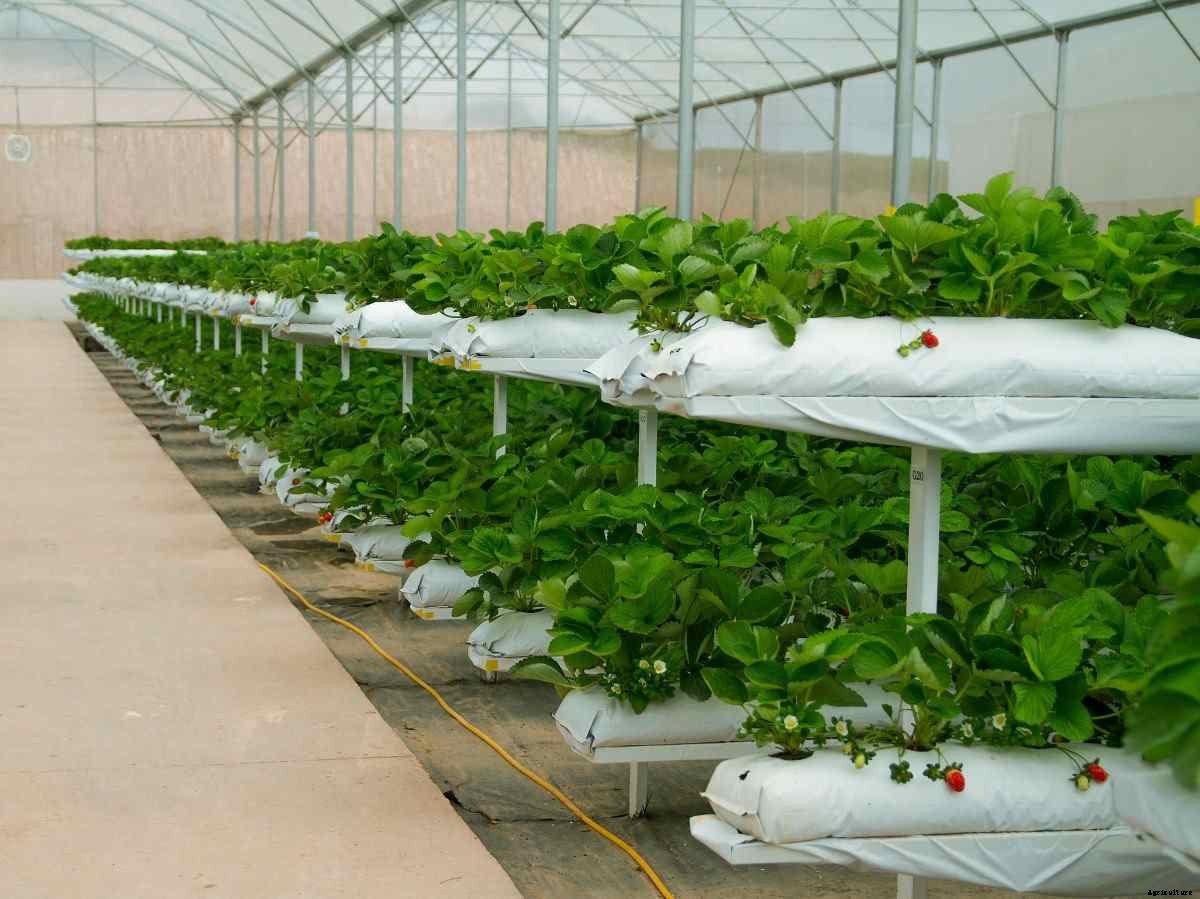
A greenhouse is a building with glass walls and ceiling or roofs that are used to grow several plants. The greenhouse structure can stay warm inside using sunlight to warm both the plants and the air within. Also, sunlight is used for the photosynthesis process, though supplemental artificial lighting can also be used.
Hydroponics is the cultivation of crops without using soil. The hydroponics system is mainly useful to feed nutrient-rich water to plants’ roots instead of soil and regular water. As a result, hydroponics is applauded for producing stronger crops and higher crop yields in smaller spaces.
Organic cultivation practices protect crop damage by insect pests mainly through the use of biological and cultural practices such as crop rotation; diversification; habitat management; beneficial organism releases; sanitation; and timing.
Organic manures increase the soil’s organic matter. Organic matter in turn releases the plant food available for the use of plants. Though, organic manures should not be seen only as carriers of plant food. Then, they provide organic acids that help to dissolve soil nutrients and make them available for the plants.
For controlling pests and diseases then we get maximum crop production. It is more desirable to the prevention of crop pests and diseases before any damage is done. There are mainly four common methods of control of pests and diseases are biological, cultural, chemical, and integrated control.
Controlling plant pests and diseases is important for plant growth. To help ensure a healthy crop, weeding must be done early and regularly to stop weeds from taking nutrients that should be going to the crop.
Pruning removes dead and dying branches allowing for new growth.
Fertilizers are important for plant growth. Crop yields and agricultural productivity can be significantly reduced without the addition of fertilizers. Fertilizers provide crops with essential nutrients which allow crops to grow bigger, faster, and to produce more food.
The organic method of cultivation use production practices with environmental benefits like water management practices, no-till or minimum tillage, habitat maintenance for beneficial insects, and biological pest control. Then, these ecologically protective practices contribute to enhanced ecosystem services and benefit water quality, soil health, and biodiversity.
Pests can include weeds, plant pathogens like certain fungi, bacteria, and viruses, rodents, and nematodes. Also, in addition to the plant-feeding insects and mites described in the preceding text, and are estimated to destroy as much as one-third of all agricultural yield.
Firstly, you need a business plan, a plot of land, and start-up money to start a new farm. Build all of the features your livestock farm needs, then start with a couple of cows. Turn those cows into profit and, over time, you can gradually turn your business into a thriving cattle farm.
Health care for livestock must be based on preventive practices such as balanced nutrition from organic feed, stress reduction, and some preventative practices. Then, monitoring animal health and preventing animal disease outbreaks is important to the economy and safety of the country’s food supply. So, maintaining healthy livestock production helps to ensure a safe food supply.
In case if you miss this: How To Grow Ginger In Greenhouse.
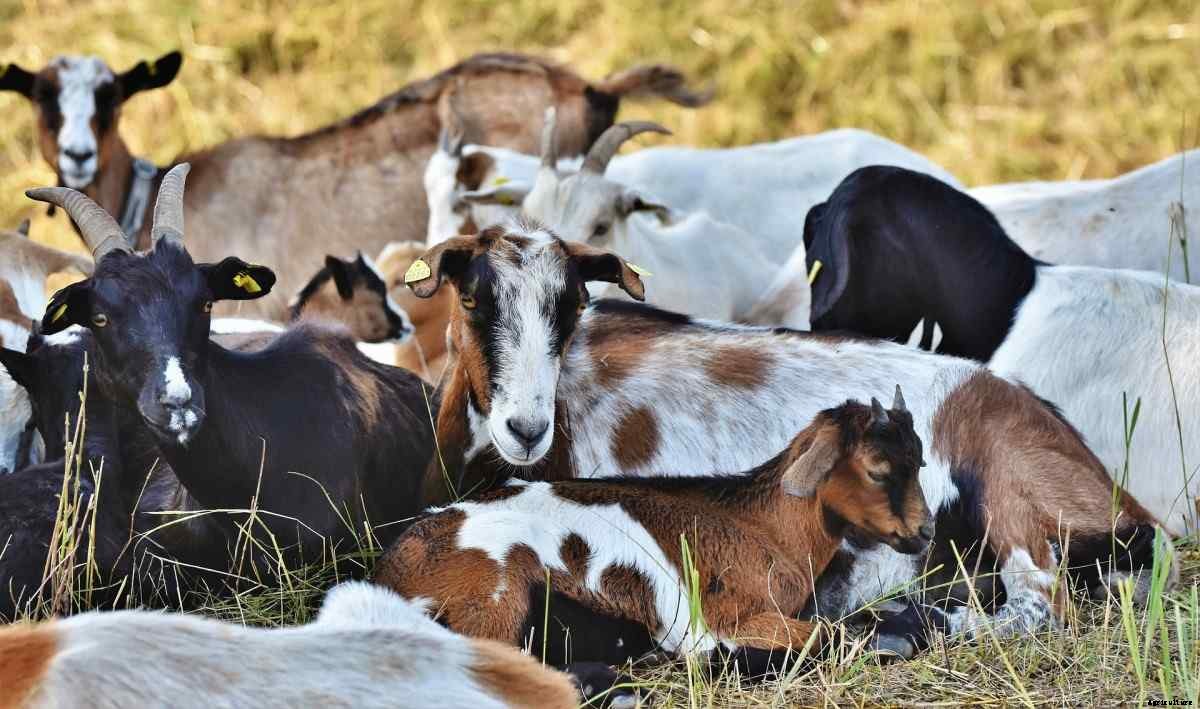
Generally, livestock includes cattle, sheep, horses, goats, pigs, and other domestic animals ordinarily raised on the farm.
Types of Livestock Farming are;
Shortage of grazing land, diseases, inadequate veterinary service, and low milk production potential of indigenous cattle were the main constraints of raising livestock animals.


