Welcome to Modern Agriculture!

Few garden heartbreaks sting more than watching a freshly planted hosta bleach out by July. Shade-loving perennials are famously forgiving about soil and spacing, but they get fussy the moment sun exposure creeps past their comfort zone.
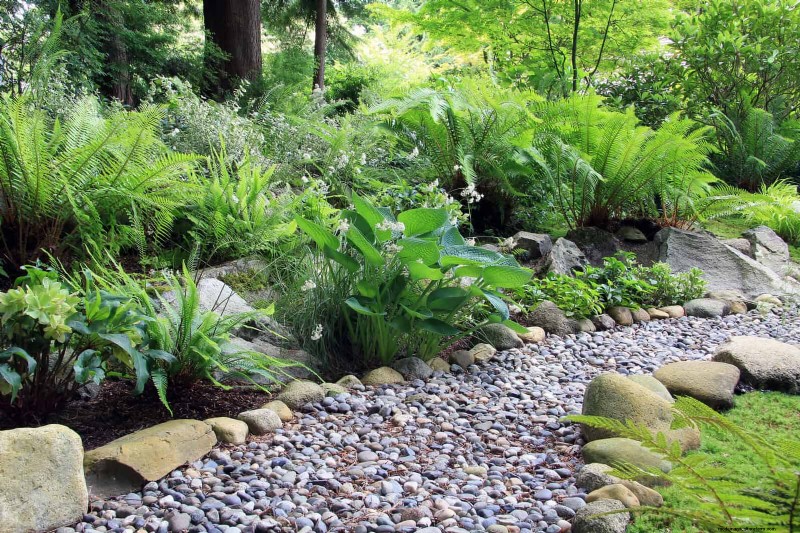
The tricky part is that “shade” rarely means what we think it means. According to the Old Farmer’s Almanac, full shade describes areas that get fewer than four hours of direct sun, while part shade nudges that window up to four to six hours of mostly morning light.
 DepositPhotos.com
Most sun-stress problems trace back to a handful of planning slip-ups that are easy to fix once you see them. Here are the most common mistakes exposing shade-loving perennials to more sun than they can handle, and the smarter moves to make instead.
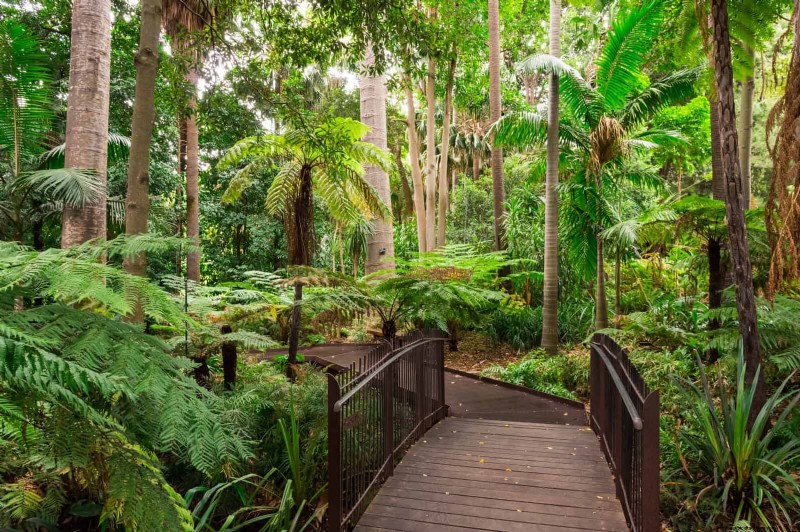
High tree canopies toss a flickering, pretty pattern of light across the ground, and it looks like shade to the eye. Add those moving sun flecks up over eight hours and the actual exposure often lands closer to part sun.
 DepositPhotos.com
Deep shade plants like Japanese painted fern or toad lily can scorch under this dappled canopy even when a shadier spot seems obvious. Watch the ground for ten minutes around noon. If sun is moving across the plant constantly, you have dappled sun, not true shade.
A bed that gets only three hours of direct sun sounds safe for hostas. If those three hours land between 2 and 5 p.m. on the west side of the house, you have just planted into the hottest, driest part of the day.
Afternoon sun stresses shade perennials far more than the same number of morning hours. Prioritize east-facing beds when possible, and reserve western exposures for astilbe or heuchera varieties that tolerate a bit more heat.
We'll email it to you so you can read it later!
By saving, you agree to receive occasional emails. Unsubscribe anytime.
A bed under a sugar maple looks blissfully shady in July when you are planting. That same bed may be in full sun during April and early May when hellebores, bloodroot, and trilliums are pushing their tender new growth.
Spring-blooming shade perennials often handle this fine because they have evolved alongside deciduous trees. Late-emerging plants like hostas and astilbes can struggle if the canopy fills in slowly or the tree is pruned heavily that year.
The sun arcs higher in June than in April, and a bed that sits in crisp shadow during spring can catch two extra hours of sun by the summer solstice. Many gardeners scout planting spots in spring and get an inaccurate reading of midsummer conditions.
If you are planning a new shade bed, track it with your phone at the same time every weekend for a month or two. Photos tell the truth faster than memory.
A white garage wall, a light concrete driveway, or a pool deck can bounce intense light and heat back onto a bed that looks technically shaded. Reflective surfaces essentially double your sun exposure without adding a single direct hour.
Brunnera and lungwort are especially sensitive to this bouncing light. When your shade bed sits within eight feet of a pale hard surface, build in a living screen of shrubs or taller perennials to absorb the glare.
Quick Check: Stand barefoot on the mulch at 3 p.m. in July. If it is uncomfortably warm, the roots below it are struggling too.
A neighbor trims their overhanging oak, the arborist thins out your maple, or a limb comes down in a storm. The shade bed you mapped out last summer now gets hours of unexpected direct light.
Check the canopy overhead before you plant, and check it again every spring. If a major tree has been altered, reassess which sections of the bed still qualify as shade before adding more plants.
Nurseries label plants for both conditions, and the overlap on the tag can be misleading. Part shade plants do best at the lower end of the four to six hour sun window, while part sun plants want the upper end.
Hostas, astilbes, and heucheras sold as “part shade to part sun” are telling you that morning sun is fine and afternoon sun is a coin flip. Read the tag as a ceiling for your shade perennials, not a guarantee.
A hosta that thrives in six hours of Michigan sun will fry in three hours of Georgia sun. Sun intensity rises dramatically closer to the equator, so the same label recommendation behaves differently in USDA Zones 4, 6, and 8.
When gardening in the South or Southwest, treat every listed sun exposure as roughly one category cooler. “Part sun” should be read as “part shade,” and “full sun” as “part sun with afternoon shade.”
If you are also juggling when to plant each variety, take a look at our guide to avoid 15 Spring Planting Timeline Mistakes for Your USDA Zone.
Not every hosta responds to sun the same way. Blue hostas burn fastest because their waxy coating melts in heat, while gold and fragrant varieties like Sum and Substance or Guacamole can take more direct light.
If a bright corner of the shade bed keeps scorching your blue hostas, swap in a gold variety instead of moving the whole collection. The color change can solve a sun problem without relandscaping.
See more: How to Split and Move Hostas in Spring Without Destroying Them
Black rubber mulch and dark-dyed wood chips look sleek and show off the plants. They also absorb sunlight and radiate heat upward into the foliage you are trying to protect.
 DepositPhotos.com
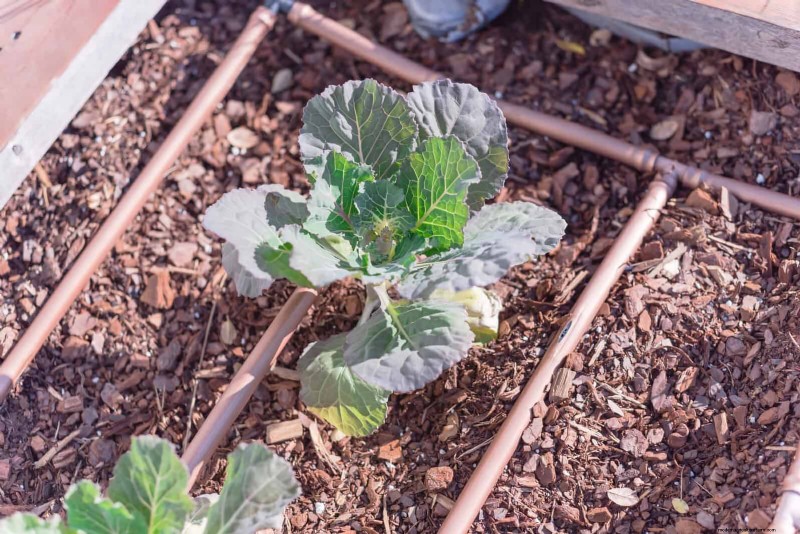
Shredded hardwood, pine fines, or cocoa hulls stay cooler and hold moisture better. Swap to a lighter organic mulch in any shade bed that gets more than two hours of direct sun.
A thin half inch of mulch looks tidy but does almost nothing to insulate roots. Shade perennials depend on cool, moist soil, and mulch is the main tool keeping that system in balance.
Aim for two to three inches of mulch across the entire root zone. Pull it back an inch or two from the crown of each plant so the stems can breathe without rotting.
White marble chips and pale pea gravel look beautiful along a shaded path. Those light stones reflect sun upward into the underside of the leaves, which is the one surface a plant cannot protect itself.
For shade beds, stick with organic mulch or darker gravel in lower-traffic areas. Decorative pale stone is far better suited to rock gardens where tough plants actually want that reflected light.
A potted fern on a patio can bake even in full shade if the container sits on dark pavers or leans against a brick wall. Pots heat up fast, dry out quicker than garden beds, and often fool gardeners into thinking their shade plants are suddenly sun-sensitive.
Choose light-colored, insulated containers, and slide a plant caddy or tray of pebbles between the pot and the hot surface. A breathable cloth pot in the ground can also keep roots cooler than a hard ceramic one above ground.
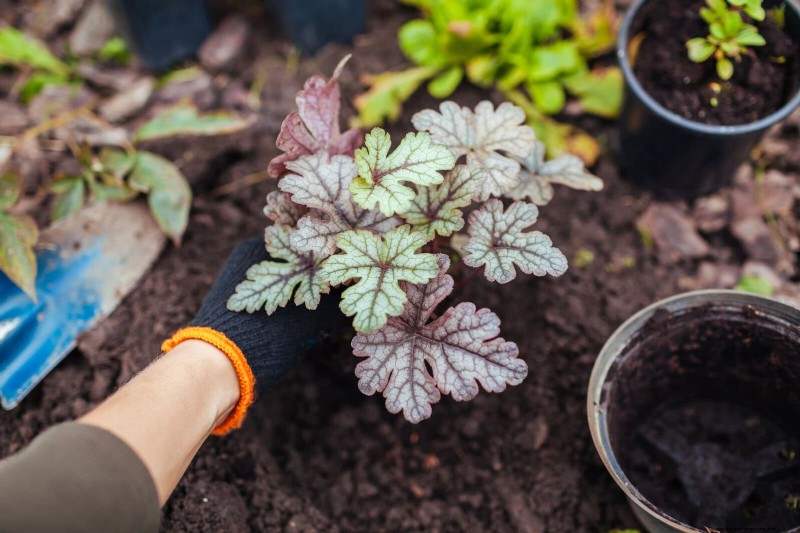
A freshly planted redbud or serviceberry throws very little shade. Tucking hostas and hellebores under a sapling might work for a season, but the canopy needs several years to mature.
 DepositPhotos.com
In the meantime, treat the spot like part sun. Temporary annual companions, shade cloth tents, or planting on the north side of the tree can bridge the gap until the canopy catches up.
An air conditioner compressor and a sun-baked driveway create an invisible hot zone that radiates well beyond the visible hardscape. Shade perennials within a few feet of either one get hammered by heat they never signed up for.
Give HVAC units at least three feet of clearance, and let heat-tolerant ornamental grasses or shrubs act as a buffer between your shade perennials and any reflective asphalt.
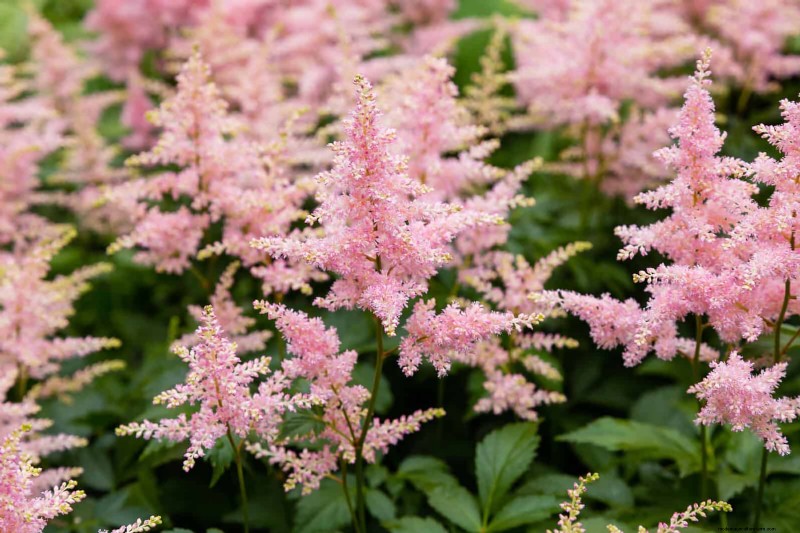
Plants facing a bit too much sun can often hang on if their soil stays consistently moist. Dry soil plus bright light is the combination that turns scorched tips into fully crispy leaves.
 DepositPhotos.com
Deep watering once or twice a week beats light daily sprinkles. A simple drip line or soaker hose under the mulch delivers water directly to the root zone where it matters most.
If you are looking to refresh a shade bed this season, our roundup of perennials you can still plant in April includes several shade-friendly options worth adding.
Sun-Proofing Checklist
It is tempting to keep pushing a successful shade border outward into the lawn. The original plants thrived in a sheltered pocket, but the new edge may sit in a completely different light zone.
Before adding more of the same perennials, spend a weekend watching that exact edge. If it picks up even two extra hours of direct sun compared to the interior, plan on switching to more sun-tolerant picks along the border.
Most sun damage comes down to assumptions. A spot that looked shady once, a label that seemed flexible, a change in the yard that went unnoticed.
Spend a little time actually watching the light in your garden, match each plant to the conditions it truly wants, and the scorched edges will fade into memory. Shade gardening rewards patience, and paying attention is the easiest way to earn those lush, layered results.
![Retaining Wall Height Limits & Permit Requirements [2024]](https://modernagriculturefarm.com/article/uploadfiles/202211/2022111623221759_S.png)