Growing Bottle Gourd Hydroponically (Lauki) from Seed
A step by step guide for growing bottle gourd hydroponically
Today, we discuss the growing bottle gourd hydroponically along with hydroponic gourds plant care, required hydroponic solution and fertilizers for bottle gourds. harvesting procedure. Children’s foe but mama’s best friend, Bottle gourd scientifically called as Lagenaria siceraria and it is a prime member of the gourd family. Bottle gourd is a very famous and healthy annual vegetable. It is a long vine, bearing white-colored flowers and the larger leaves. This popular vegetable is being cultivated for thousands of years in Asia, Europe and America as majorly consumed vegetable. It is also grown in large scale in India, and its fruits are available all through the year. Learn how to Bottle gourd can be grown in the hydroponic system, Growing Bottle gourd, and bottle gourd plant information. For queries like how to grow bottle gourd in the terrace, how to grow bottle gourd in winter we have one best answer: hydroponics
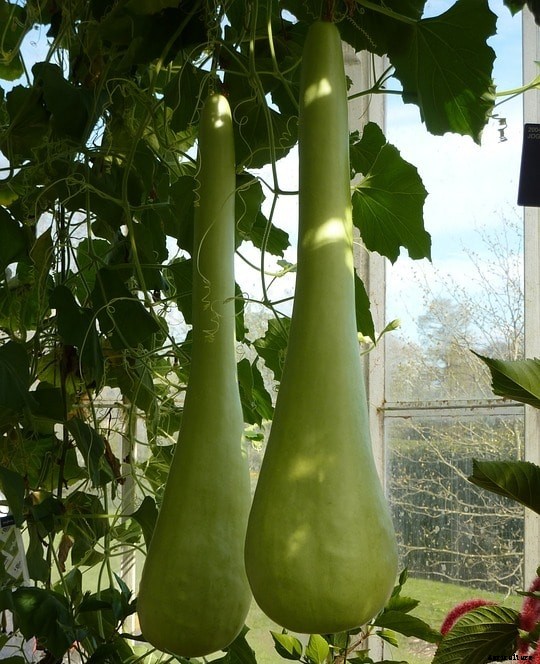
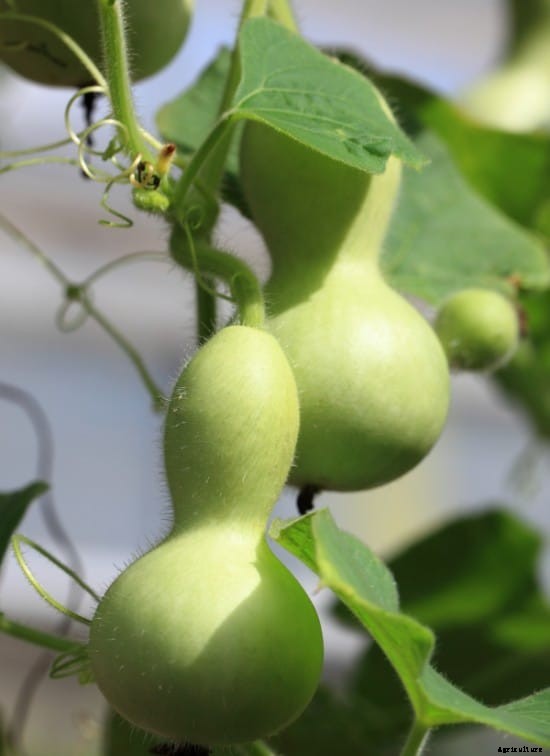
Bottle gourd fruit is power-packed with nutrition. The gourd comes in many sizes and shapes. Because of the characteristic shape of the bottle, it is called the bottle gourd. It is known by many names, in India, it is recognized as a gourd, lauki, ghiya, and milk.
The appropriate time to plant seeds for germination is from June to July which makes it monsoon or rainy season crop. For summer cropping February is most suitable. Though hydroponics enables you to have a bottle at any time of the year as long as the necessary requirements are fulfilled.
Raise the seedlings in about a 4-inch pot it can also be done indoors, growing vegetables from seeds are the best way in a frosts free place (when grown outdoors) sowing 2 seeds in half-inch depth. Germination occurs best at a temperature of 20-25 deg Centigrade. Keep the pot moist so that sprouting takes place properly. You can use growing media like coco-peat for the germination make sure it is moistened before sowing but not soggy.
The bottle gourd seeds are slow in germination; it may take from 7 to 25 days to germinate. You can soak the seeds in water overnight to speed up the germination process.
When the seeds germinate and the plants develop 2-3 true leaves which may take 10-12 days, you can transplant them to their final home i.e. to the hydroponic system about 3 weeks after sowing. Uproot the weaker plants so that you nurture the plants which will yield vigorously.
Choosing a place for your system where sunlight can be made available to growing plants directly, the place is most suitable. Its plant requires sunlight of about 8 hours a day. In which it thrives well. Remember these plants do not tolerate shade.
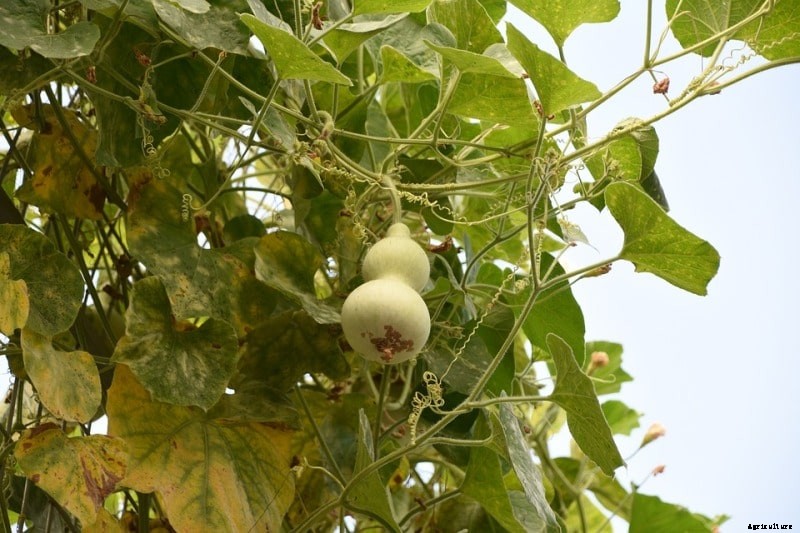
Bottle Gourd is typically a vining plant, it needs a place to spread as its leaves are also large in size if you have a lack of space then apply it on the roof so that it can be easily trellis or you can provide trellis to let it spread on your window or balcony which will also add on lush green nature’s touch.
You should make selection of appropriate hydroponic system beforehand since the most of the plant part is vining type so suitable hydroponic system are: Kratky, dutch bucket system these are ideal for home growers as single vine of bottle gourd is enough to feed the family and people who wish to plant number of gourd plants can opt for ebb and flow system and NFT.
The container in which you are raising the plant or you say the reservoir should be large enough to hold the entire vine and friends bottle gourd does have a huge vine so container size of about 20 liters would be fine.
Next important thing is the bottle gourd plant fertilizer we would rather say bottle hydroponic nutrient solution as in the hydroponic system there no obstacle for the plant to compete for the nutrients rather nutrients are readily available to the plant and this is the reason why hydroponic plants yield way better than the conventional soil culture. So the ease there is a variety of ready to use hydroponic nutrient formulation available in the market and various online stores. All you need is to maintain the following attributes:
pH balanced nutrient solution is the key to ideal yield so make sure it is maintained in the range of 5.8 to 6.0 and EC: 300- 700 PPM.
Always make sure you don’t overdose the plants with nutrients and ensure that you are refilling the reservoir with nutrients once exhausted else the developing plants will suffer from nutrient stress especially at flowering stage.
When each main vine grows up to about 6-8 feet of height, cut off the growing tip. This will encourage the plant to produce side branches that will produce fruit much sooner, more flowers and more fruits.
Another issue of hydroponic bottle gourd is you will see healthy vine with lush green big leaves flowers blossoming but they will not convert into fruit and drop soon. This is the most observed issue in hydroponic bottle gourd. For this, you can do hand or manual pollination. When the flowers open, rub a soft brush first in the male flower and then in the female flower, this will facilitate the transfer of pollens. You can also spray the vine with sugar water to attract bees which are excellent pollinators.
Another problem encountered is bottle gourd vine fails to produce Flowers
You may be interested in Growing Hydroponic Kale.
Sometimes the bottle gourd vine bears less or no female flowers and hence no fruits. To increase the number of flowers, you may cut off the growing ends of the branches when they are about 3 feet (1 m) long. The new growing branches will produce more flowers. A fertilizer with high nitrogen levels induces leaf growth with very less number of flowers. Feed the plant with a fertilizer high in phosphorus and potassium to produce more flowers along with the nutrient you are providing.
Hydroponic bottle gourd plant diseases and pests
Controlling pests and diseases in growing bottle gourd hydroponically is similar to the gourds grown on the ground.
Bottle Gourd plants grow vigorously but they are attacked with the same pests that are common enemies of cucumbers and pumpkins. As vines will be exposed to the outdoor conditions usually hence there are more chances of pest and disease encounter.
Powdery mildew can be an issue in humid hot weather. If mildew develops, remove the affected leaves as soon as possible and make sure roots are getting proper moisture.
Cold wet weather can help develop grey patches on the leaves. If that happens, remove the infected leaves soon, and maintain the air circulation in the system.
Fruit fly: the best way is to cover the fruit with polythene or paper bags there are sticky patches or yellow sticky papers available in the market to get rid of theses flies you just have to cover the fruit with these and poor fruit fly will stick the glue on paper and your fruit will be protected.
Beetles can be seen inside the blossoms in the morning that you can pick by hand.
You may also check Organic Vegetable Farming in India.
When to harvest hydroponic bottle gourd
It is very important to harvest bottle gourd at the right time. When the bottle gourd begins to change color or before it starts becoming yellowish, it is time to harvest them. Another hack to know the right harvesting time is you should be able to pierce your nail in it easily. Harvest the gourd with at least one inch of stem attached to it. If the fruit becomes very hard and you are not able to pierce your nails in it, it is over-ripened and not desirable for cooking. Over-ripe bottle gourds are perfect for preserving best bottle gourd seeds, which can be used to grow gourds next year since it’s an annual crop have to be grown every year so your harvest is will be the seed for next season.
That’s all folks about growing bottle gourd hydroponically for profit.