
Welcome to Modern Agriculture!


Glen is an exceptional gardener with over 15 years of hands-on experience in garden maintenance, design, and landscaping services. When he’s not working on beautifying a client’s garden, he is busy creating helpful content for this blog.
Latest posts by Glen Chandler (see all)
💥 Quick Answer
The best time to plant carrots in Pennsylvania is 2-4 weeks before the last frost date in early spring.
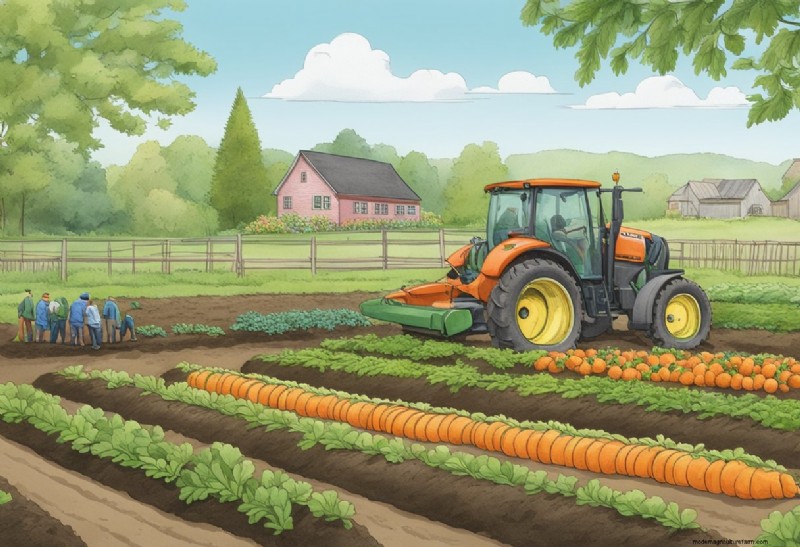
Living in Pennsylvania, I’ve learned that timing is everything in gardening, especially when it comes to root vegetables like carrots. In our climate, which ranges from USDA Plant Hardiness Zones 5 to 7, it’s vital to get those seeds in the ground at just the right moment. Planting too early can expose the seedlings to late frosts, while planting too late means competing with the heat of summer.
⚠️ A Warning
Be careful planting too soon. In Zone 5, you’ll want to start planting around April 30th, while in Zone 6 and Zone 7, aim for around April 21st and April 3rd, respectively.
Spring planting is like flipping the reset button for your garden; it gives you fresh starts and new possibilities. The soil needs to be loose and well-drained for carrots to thrive. Missing this window can make all the difference in harvesting those sweet, crunchy roots. So, check your local weather, mark your calendar, and let’s get those carrots growing! 🌱🧑🌾
To plan your garden calendar for planting carrots in Pennsylvania, consider the last frost dates, start seeds indoors, and employ a spring planting strategy. Each of these steps is crucial to ensure a successful harvest of this delightful root vegetable.
Knowing the last frost date for your area is essential. In Pennsylvania, these dates vary by zone:
Mark these dates on your calendar. Timing your planting can mean the difference between a bountiful harvest and a lackluster crop. Accurate frost dates help avoid planting too early, which can damage seedlings.
Starting seeds indoors gives your carrots a head start. Typically, you should begin about 5-10 days before your last frost date. Use seed trays and keep them at a consistent temperature between 70-80°F for optimal germination.
Ensure:
This process helps mimic ideal growth conditions, so your seedlings are strong when moved outdoors.
Transplant your seedlings outdoors 2-4 weeks before the last frost date. Choose a sunny location with well-drained, loose soil—preferably sandy, free of rocks and debris.
💥 Quick Tips
Maintain consistent moisture and avoid over-watering to prevent root diseases.
Cool-season crops like carrots thrive in these conditions. Regularly monitor soil moisture and temperature.
Combining these strategies helps create a detailed planting calendar, ensuring a bountiful carrot harvest. 🌱
Choosing the right vegetables and knowing how to take care of them is essential for a productive garden. Let’s break it down for root vegetables, fruit-bearing crops, and leafy greens and legumes.
For root vegetables like carrots, beets, and radishes, planting in well-draining soil is crucial. Carrots prefer a sandy soil that is free of rocks and debris. This allows their roots to grow freely.
🚰 Water Requirements
Consistent moisture is key, but avoid over-watering to prevent root rot.
🌡️ Temperature Requirements
Cool temperatures between 55°F and 70°F are ideal.
Peas and brussels sprouts can be sown directly into the garden early in the season. I find that using mulch helps retain moisture and keeps the soil cool. With regular care, these root vegetables provide a bountiful harvest.
Fruit-bearing crops like tomatoes, peppers, cucumbers, and eggplants need special attention. Tomatoes and peppers prefer full sun and fertile soil. I start my seedlings indoors about 6-8 weeks before the last frost date.
🔆 Light Requirements
Full sun with at least six hours of direct sunlight daily is essential.
❀ Fertilizer
Use a balanced fertilizer to support growth and fruit production.
For cucumbers and eggplants, be mindful of the spacing to prevent diseases and pests. I support cucumber vines with trellises to keep them off the ground and allow for better air circulation. Regular pruning helps manage plant health and productivity.
Leafy greens like lettuce and spinach are great for early planting. They thrive in cooler temperatures and can be sown directly in the garden. Lettuce loves partial shade and well-draining soil.
Direct sunlight for 3-4 hours daily or dappled sunlight is sufficient.
Legumes such as beans and peas require similar care. I find that adding organic matter like compost to the soil benefits these plants. Peas can be grown early in the season, while beans are better planted in warmer weather.
With vegetables, maintaining proper watering schedules and ensuring adequate space for growth are vital. Keeping a close eye on any pest or disease issues will ensure a healthy and productive garden.
Caring for a garden in Pennsylvania involves managing water, nutrients, and sunlight, especially during summer months, to ensure a thriving crop and bountiful harvest.
Summer can be challenging for a garden. It’s key to keep carrots well-watered. Dry soil leads to undersized or split roots. I water deeply once or twice a week, ensuring moisture reaches the roots.
I also keep an eye on the temperature. Carrots prefer moderate temperatures, so I use mulch to keep the soil cool. Mulching helps retain moisture and suppresses weeds.
I monitor the maturity of the carrots. For a bountiful harvest, I start checking them about 60-80 days post-planting. I gently pull them to see if they’ve reached the desired size and color. If they have, it’s time to harvest.
Nutrient management is vital. I side-dress with compost or a balanced fertilizer to keep the soil rich. This boosts growth during the peak growing season.
Sunlight is crucial. Carrots need full sun, at least 6-8 hours daily. Too much shade can result in leggy plants with poor root development.
Ensuring healthy soil is key to growing robust carrots. Focus on preparing well-draining soil and adding necessary nutrition for optimal growth.
Start with a soil test to determine the pH and nutrient levels. Carrots thrive in slightly acidic soil with a pH of 6.0-6.8.
Here’s a tip: Loose, sandy soil works best. This type ensures roots grow straight and strong. Remove rocks and debris to avoid deforming the carrots.
Incorporate organic matter like compost to improve soil fertility. Compost enhances structure and drainage, making it ideal for carrots. Also, use mulch to maintain moisture, regulate soil temperature, and keep weeds at bay.
Carrots need a sunny spot. They require full sun for at least 6 hours a day. Nutrient management involves adding fertilizers rich in phosphate and potassium. Avoid high nitrogen fertilizers which cause leafy growth over root development.
Use ammonium nitrate to side dress the plants when they reach about 4 inches in height. About 1 pound per 100 feet of row works well.
Water is crucial but don’t overdo it. Keep the soil consistently moist to encourage germination and growth.
Happy planting!
⚠️ A Warning
Avoid deep cultivation near root zones to prevent damage.


