Prawn Cultivation – A Complete Guide For Beginners
Prawn Cultivation – A Complete Guide
Today, we are into the discussion of prawn cultivation (shrimp farming).
Introduction to Prawn Cultivation:
Prawn Cultivation is business in aquaculture mainly designed to raise prawns or shrimps in fresh water for human consumption. A Freshwater water prawn cultivation is gaining great demand in inland aquacultural farming systems.
In many countries which have vast freshwater resources for aquaculture, generally used for fish, carp and other finfish culture for a limited extent. In aquaculture business, the Composite fish cultivation implementing many modern technologies has become common practice in many countries. And even the prawn cultivation with considerable efforts can be done singly or with the combination with finishes. Prawn cultivation in composition with crap farming has been an important step towards achieving this goal.
In the global market, the annual production of freshwater prawns is 380,000 tons, in which China is the largest producer, and them comes to India and Thailand. The Prawn cultivation is a fruitful aqua business in tropical and subtropical climates.
Prawn cultivation in freshwater ponds, along with carps is the best step to gain profits. Cultivating prawns in ponds are a successful business than the practice of culturing prawn from lakes, rivers, canals or streams or estuaries.
Prawn cultivation is very profitable, and the Prawns grow very fast in freshwater ponds and reach to the marketable size (150-180 mm) in a time span of six months. If growing them in a fertilized pond they even grow faster, Ponds for the fish cultivation can be built
Wherever the soil, shape of the land and water supply are appropriate. A pond for prawn cultivation can be prepared from a rice/paddy or an unused grain field.
The impounded freshwater bodies offer immense potential for freshwater prawn cultivation. There is a high chance to increase the prawn cultivation in countries with black waters. Countries which have good scope for prawn cultivation are countries like India, Bangladesh, Srilanka, Thailand, Indonesia, and Pakistan.
Prawn Species for Prawn Cultivation:
Cultivable Prawn Species:
There are many varieties of prawns, among them, Macrobrachium rosenbergii (DeMan), the giant freshwater prawn commonly known as the scampi is the most popular variety that has great demand in the market. This prawn species are cultivated in both freshwater and brackish waters. This prawn species, mainly cultivated to export, it is cultivated through monoculture in new ponds or existing or with composite farming with freshwater finfishes in existing ponds. And the countries with good both freshwater and brackish water resource have good potential for prawn cultivation.
The most important and popular commercial prawn species is, M. rosenbergii is one of the best varieties in freshwater prawns. It is the commercial prawn species from estuaries. It is growing in freshwater rivers, canals, reservoirs, and tanks with fresh and brackish waters. M. rosenbergii is the largest freshwater prawn which grows up to the size of 150 to 250 mm and even more. Because of its rapid growth, and its omnivorous, feeding habits, and huge high demand in the market, the giant freshwater prawn is the best prawn species for fish farmers and entrepreneurs who planning for large scale prawn cultivation.
This Macrobrachium Species of freshwater prawns are mainly cultivated throughout the tropical and subtropical zones of the world. These species of prawns are found in inland freshwater sources like lakes, rivers, swamps, irrigation ditches, canals and ponds, and in the eastern areas.
Most commercial prawn species require brackish water at the initial stages of their life cycle, although some varieties complete their cycle in inland saline and freshwater lakes. M. rosenbergii grows well in turbid conditions. Many Macrobrachium species of prawns are transplanted from their natural locality.
M. rosenbergii is mostly grown every continent for commercial farming purposes. M. rosenbergii is cultivated in many countries; the largest producers of rosenbergii are Bangladesh, Brazil, China, Ecuador, India, Malaysia, Taiwan Province of China, and Thailand. Not only the listed, but even many other countries are also producing these prawn species.
Vietnam is also a large producer of prawns. M. rosenbergii in Bangladesh, India, and several countries in Southeast Asia are mostly caught from nature hence also come under capture fisheries.
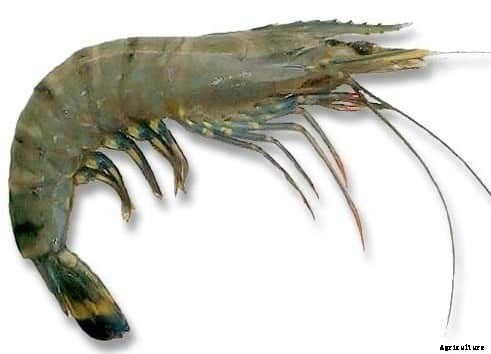
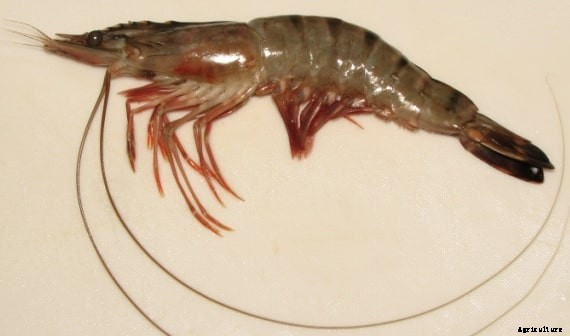
Macrobrachium species, apart from this prawn species penaeid prawns are also most popular, that has good demand all over the world. Penaeus monodon is the most popular variety in penaeid prawn species, popularly known as ‘tiger prawn’. These prawns have a high price in export markets. The diatoms and algae and other planktonic organisms are fed for these prawn species. The genus Penaeus has many species, for example, P. indicus, P. japonicus, P. duorarum, and P. semisulcatus.
Penaeid prawn species grow well in brackish water and are also cultivated in various types of water bodies like derelict waters, saltpans and shallow canals in the coconut groves. The tiger prawn spawns are cultivated throughout the year with their post larvae that is available around the year in estuaries.
Macrobrachium rosenbergii, have a great scope in export markets. And suitable for cultivating in tropical and subtropical climates. These prawns are hardy and can adapt to various types of fresh and brackish-water ponds. Pellets are the main feed for rosenbergii prawn species.
Site Selection for Prawn Cultivation:
The same as fish cultivation, the selection of the site for prawn cultivation plays a key role in prawn cultivation. And the complete management practices of the cultivation depend on the availability of the facilities at the site. It is crucial that the income from the pond must be more than that of the land itself.
The selected site for prawn cultivation should be thoroughly surveyed to design layout of ponds for water inlet, walkways, and effluent discharge.
Rectangular ponds are best for harvesting, which is commonly used in freshwater prawn farming. For successful prawn cultivation of M. rosenbergii larvae, it needs 1. Optimal temperature range, 2. Necessary and suitable feed and 3. You should maintain the water quality in rearing tanks.
The optimum temperature for larval development should about 28°C, and the larvae can grow in the temperature range of 26.5 to 31.5°C.
The topography of Site for Prawn Cultivation:
Topography describes the shape of the land for cultivating prawn–
Topography decides whether the site is flat, hilly upland or lowlands. The topography will make you decide the kind of pond you need to build
Marking the area of the on the site will be the first step of pond construction for fish farming.
If the prawn pond is built on a flat surfaced land, the bottom of the pond should be built sloppy facing the outlet for an easy draining system. The main wall of the prawn pond should build erected at the slope end.
Not only the topography, of the area, soil condition, water quality are also key elements of prawn culture.
Other considerations are road approach, market, consumers’ food habits/status and availability of labour and ice etc.
Soil for Prawn Cultivation:
Another important element in pond construction is the soil of the pond. The best soil for prawn cultivation should be clay slit mixture with a smooth and slippery texture that is capable of holding properties.
The soil that is loamy and sandy, comprising 60% sand and 40% silt is highly recommended.
In case of rocky or shifting sandy soil, in that site, you should only build small ponds. The quality soil is mainly responsible for the fertility of the water for its nutrient contents.
Fertility is the measure of the nutrients in the pond, and it simply refers to how much food is available in the pond for the prawn/fish to consume. The soil should contain the necessary nutrients like iron, calcium, and magnesium. Sometimes it may also contain certain harmful substances like acids. If the soil is good for agriculture, it ought to be good for aquaculture. The laying down of ponds is often economically best on sandy or marshy grounds, which are not economical for other types of exploitation. The pond must give a better return than what the land would have given. It has often been found that poor agricultural land can be turned into very good fish ponds. In general, better is the soil, better will be the production in such culture ponds. If the pond is built on poor quality agricultural land, and the pond should be taken care well, the pond bottom soil becomes more fertile than what it was before, in due course of time. Under integrated farming, many farmers often grow prawn and other fishes in paddy fields, with the dual benefits of the earning from the paddy as well as the prawn/fish.
Soil Quality Improvement Tips for Prawn Cultivation:
Acid soils are not good for prawn productivity. In case high acidic soil, they should be treated with lime.
If the pH level of the pond water should range from 6 to 6.5. If more pH levels than 6.5 at sunrise, the soil should be treated with the lime before the pond completely gets dried out. This enables the lime to dissolve and penetrate into the soil and maintains the pH levels.
Regular liming increases total alkalinity. Agricultural limestone is the best compound to use for increasing alkalinity. And the quantity of lime required depends on the type of soil and its pH.
Water ponds with a high-water pH can be improved very well by ‘ageing’. This is done by filling the ponds with water 2-4 weeks before stocking and allowing natural biological processes to buffer the pH. However, this may also increase the chances of growing predators and weeds.
Pond Construction for Pond Cultivation:
For prawn cultivation, the pond should be a shallow water body that is recommended for the controlled culture of aquatic species. It is constructed in such a way that it can be easily and completely drained.
Before construction, selection of the site for the construction of the ponds is of prime importance.
The number and type of the proposed ponds to be built must also be decided beforehand. The size and surface of the ponds can vary considerably. The medium and small-sized ponds are easier to manage, hence proportionately most productive too.
A pond size of 0.5 to 1.5 acres is quite handy and easy to manipulate. It is easy to harvest if the pond is rectangular (0.6-hectare pond is 30 m wide and 200 m long).
The length of the pond should be decided based on site and topography as well as farm layout. A pond with a width between 30 to 50 meters is always easy to operate.
The depth of the pond should range between 0.75 to 1.20 m with an average depth of 0.9 m.
Deeper ponds are difficult to manage. The ratio between the dyke and pond slope should be maintained at 2:10. The dyke must always rest on the solid and watertight ground.
The bottom of the pond must be smooth without having projecting rocks or tree stumps on it. The pond bottom must slope gradually and smoothly from the water intake end towards the drain end (a 20% slope (1:500) is suggested for ponds of 0.4 ha or more in the area and 5 % (1:200) for smaller ponds towards the outlet, where drain harvesting is practiced. This helps to control pockets of water in which prawns often get locked and die ultimately during total drainage of the pond.
Narrow prawn ponds should be oriented in such a way that the prevailing wind blows down the long axis towards the drain end, which minimizes erosion of the bank.
And the ponds should have a proper drainage system and you should proper care to avoid mixing incoming water with the outlet water.
Large prawn ponds have 30m and are regularly drained for harvesting. Freshwater prawns can be stocked in concrete and earthen reservoirs, ponds, irrigation ditches, cages, and natural waters.
During the winter season, water temperature at the bottom of deep ponds may drop enough to reduce feed consumption by the prawns. And in shallow ponds, the water temperature may rise too high for the prawns.
Also, the water becomes quite clear, exposing the prawns to greater predation. Further, shallow ponds tend to support the growth of rooted aquatic plants hence are not recommended.
Fertilization in Prawn Cultivation:
For an abundant food supply to the young prawns and preventing the growth of weeds, fertilization of the pond should be done regularly in prawn cultivation. The main motive for fertilization of prawn ponds is to direct all primary, secondary and tertiary levels of productivity towards maximum productivity of prawns.
The natural productivity of the pond can always be enhanced by the application of fertilizers (inorganic and organic). Hence, to begin with, the pond should be conditioned with inorganic as well as organic fertilizers until a mixed bloom of zooplankton and phytoplankton develops. Fertilization of ponds already having a relatively thicker density of microorganisms may increase further their number rather rapidly.
A layer of lime should be placed at the bottom of the pond, whether the pond is old or new. And the pond should be fertilized with cow dung, which is best organic manures.
The organic manures for the fish ponds are classified based on the following criteria: Organic fertilizer with little or no carbohydrates b. Organic fertilizer with carbohydrate contents only (e.g. Mustard oil cake, green manuring components). c. Fertilizer with carbohydrates and nitrogenous matters (e.g. Poultry wastes-matters, sewage, sludge, farmyard wastes etc.).
The type of organic manures required depends upon the variety of fish proposed to be cultivated. Organic fertilizers added @ 24 kg/acre/week produce abundant zooplankton populations. Cottonseed meal is one such good source of organic material that is easily available. The cottonseed meal has higher fiber contents than other organic substances like soybean meal, fishmeal and manures. Mahua oil cake, although acts as a poison for killing fish in the initial stages of application, it also serves as a good fertilizer and induces plankton production. Inorganic fertilizers having nitrogen and phosphorus may be added until a phytoplankton bloom develops in the water. In a properly fertilized pond, the visibility of the water column should be less than 18 inches.
Water Supply for Prawn Cultivation:
Availability of good quality of water for filling the water body is perhaps the most important factor for selecting the site for pond construction. The supply of water should constantly throughout the tenure of prawn cultivation.
Water in the pond can be obtained from several sources:
Rainfall: some ponds called sky ponds depend only on rainfall to fill.
Runoff: Some ponds are gravel and sand pits that fill when water from the surrounding land areas flows into them.
Natural waters: Many ponds are getting their water supply from natural springs, wells, lakes, rivers etc.
Read: Tuna Fish Farming.
Quality of water for Prawn Cultivation:
The ponds should get good quality water having no foul smell or bad taste. It should be clear showing no turbidity. If the water is muddy, it should be allowed to settle before the water is used in the pond. If the water is bright green, it contains a lot of food. If the water is dark, brownish, it may contain acid in it and lime should be added to neutralize the water. Knowledge of the source of the water and the distance it traveled prior to reaching the pond is necessary.
Farms must be designed with a proper water distribution system that allows simultaneous filling of all the ponds. A total hardness between 50-100 mg/L (CaCO3) is ideal for freshwater prawn rearing. The hardness of very soft waters can be increased by adding calcium sulphate (gypsum). 2 mg/L of gypsum increases the total hardness by 1 mg/L.
For hard waters, no treatment is generally required. Care must be taken that incoming water should not get contaminated without going or drained waters of the same or neighboring ponds. Hence the water inlet should always be placed opposite to the drainage point.
Each pond must have its own independent water supply from a central distribution channel and should not receive the outflow from another pond.
Water from one pond should not be transferred to another one because phytoplankton and zooplankton blooms develop rapidly when water from a reservoir or adjacent pond is introduced into the prawn pond.
Water should be distributed through pipes or open channels and should fall into the pond by gravity (to improve dissolved oxygen content). This can be achieved by placing the inlet supply pipes or channels above the water level in the ponds so that the incoming water falls onto the surface of the water.
Filling of the ponds In Prawn Cultivation:
After liming for 15 days, the pond is filled slowly with good quality water. It is better to allow the water to drop into the pond from the inlet situated at a height so that the water gets oxygenated. If the water can enter very fast, the bottom may get stirred up and may become muddy. Therefore, the water should be allowed to settle down for a few days. Prior to the introduction of the juveniles/PL into the pond, the quality of water should be tested.
The water used in freshwater prawn ponds is not treated with lime or chemicals. Valves, weirs, stop-logs or plugs are used to control the flow of water into each pond. Incoming water should be allowed to pass through a small screen that can restrict the entry of fish eggs, small fish and insects and other predators. Filter fabrics with 300-100-micron mesh can filter out all unwanted predators.
Ponds should be stocked with the PL within seven days after filling with water, as the population of insects will be least during this time. Water from tube wells and pumping systems may also be used.
The well water is usually hypoxic hence requires aeration that can be done by cascading or by allowing to fall into the pond water level from a height.
To maintain the quality of water in prawn cultivation, there should be regular exchange water that helps to maintain high levels. Building ripples into gravity inflow channels can also enhance the dissolved oxygen level of incoming waters.
Aeration equipment may be needed at the time of oxygen depletion, which is a very common phenomenon of tropical ponds. Artificial aeration is needed to maintain the water quality for increased productivity, especially after partial harvesting. Aeration is also needed to maintain dissolved oxygen levels during the daytime, especially at the pond bottom where it becomes low.
Draining System in Prawn Cultivation:
Each pond should have a water inlet and outlet independent from the other neighboring ponds. The water should be replenished every week or fortnight depending upon the requirement.
The pond should have very effective drainage systems so that it may be possible to empty and subsequently dry the pond. The emptying can be achieved by means of a series of drains or ditches, which may terminate at a monk. These structures help with drainage and are situated at the deep end of the pond.
A monk not only helps in complete draining but also helps to control water levels during seine harvesting, flushing, and water circulation. The monk is like a sluice, and it is not built into the pond wall. But sometimes, the back of the monk touches the wall.
Ponds should be drained out by gravity, preferably through the ‘monk’ or sluice gate. The outgoing water must also be screened to prevent the escape of the fish. Where drainage by gravity is not possible, pumping can be employed.
Temperature Range for Prawn Cultivation:
The prawns have a wide range of temperature tolerance (15 to 35 ºC). However, 28 ºC is perhaps the most desired temperatures for the development of larvae, even though they can thrive well in the temperature range of 26.5 to 31.5 ºC.
Sudden changes in temperature, as well as pH, can cause mortalities when prawns are stocked. Before their release into the pond, the bags containing the PL should be allowed to float in the pond water to bring the temperature of the bag gradually to the level of the pond water. Any adjustments to the pH of the transport water should be made in the hatchery itself prior to their transport.
Preparation of the Prawn Pond:
After harvesting the last batch of prawns, or newly constructed pond, the pond should be drained to get rid of all the predators. Pond sediments should be removed.
The pond should be dried completely for 2-3 weeks after every harvesting or at least once a year.
And the bottom of the pond should be ploughed, which increases the oxygen content of the soil.
And the soil should be treated with 1000 kg/ha of agricultural limestone (CaCO3) or 1,500 kg/ha of hydrated (slaked) lime in case of severe infection during the previous crop. After adding limestone, the pond should be sun-dried for 15 days.
Necessary repairs to the pond banks and the major structures, including inlets and outlets should also be made.
Broodstock in Prawn Cultivation:
The sexes in prawn are separate. Fertilization is external; the male deposits the sperms near the genital openings of the female and the eggs get fertilized as soon as they leave the female’s body. Subsequently, the fertilized eggs get fastened to the pleopods by a sticky secretion of the tegmental gland. In this way, the female carries hundreds of the eggs attached to hairs on her pleopods until the eggs hatch. Such females are said to be ‘in berry’ or ‘berried’ females and carry up to 4000 eggs for about 4 months. The females bend down her abdomen first to protect the eggs and later the young’s cling to the swimmerets of the mother for a short period.
Management of the Broodstock:
Practices of outdoor management of broodstock in the tropics are identical to those of rearing facilities.
Immediately after receiving the broodstock at the hatchery, they should be disinfected with 0.2 to 0.5 ppm of copper sulphate or 15 to 20 ppm of formalin for 30 minutes with proper aeration. Subsequently, they should be transferred to ponds having an optimum water temperature ranging between 27-31°C.
A nutritionally complete diet is essential to promote superior egg production and quality. Commercially pelleted feeds can be used, but need supplementation. Broodstock should be fed at a daily rate of 1-3% of the total biomass: 50% of the pelleted feed should be replaced with the equivalent amount of liver or squid or mussel flesh, at least twice a week.
Collection of seed/juvenile in Prawn Cultivation:
Freshwater prawns are collected from rivers, or from nurseries, for stocking into open waters. Breeding is done in low saline waters, for larve and PL development after incubation. Breeding of M. rosenbergii takes place in estuaries.
The collection of seed from the natural resources has many practical advantages that include: (i) the cost of seed procurement is cheaper without the use of any advanced technology, (ii) the method of collection is very simple, (iii) because of their mass movement, pure prawn seed can easily be collected. Juveniles are collected in large numbers during rainy and post-rainy (up to November) seasons. Prawn juveniles are either collected from scoop net or with the help of traps. A trap made of a bunch of various bushes tied with monofilament or coir ropes is fixed at a water depth 5-6 feet during high tide and 3-4 feet during low tide in the river for 3 to 10 days.
The bush trap where the juveniles have taken shelter is lifted and shaken to collect them on a stretched piece of cloth of 5’ x 3’ size. They are then transported in open plastic tubs of 5 x 4 feet or 6 x 3 feet to a market or to the fish farmer’s tanks. Though the prawn seed is generally collected from the natural resources, they are only available to a limited extent.
Many of the prawn species require a certain degree of salinity and the long gestation period for the development of their larvae. The growth rate and survival of each population of prawns depend on several factors like density, predation, feed, and temperature. These factors are site- and operation specific. Survival rates during the grow-out period should be maintained above 50%.
Management of stock for rearing in Prawn Cultivation:
Individual prawns within a population grow at different rates, some growing very faster than the rest, while some do not grow at all.
The growth rate is among males is more than females. The size of the prawn to be harvested for selling decides the stocking rate that depends upon several factors. Some of these factors include demand of the local, national, or international markets, a period of the growing season, and on the management, practices being employed. The old ponds are more productive than newly constructed ones.
The lower stocking rates will produce prawns, larger and average sizes. Whereas higher stocking rates will produce prawns of small size and will increase productivity (metric ton/ha/crop). If stocking of juveniles is made, there are some advantages in grading them before stocking. During culture operation, the ponds need proper maintenance including the safeguarding of the water inlet and outlet fittings along with their filters (screens, socks).
Plantation of vegetation along the pond bank minimizes erosion of the pond bank. The pond depth should be maintained at an average of 0.9 m. The presence of aquatic plants below the waterline, however, provides food and a habitat for the prawns.
The plants Elodea sp. And Hydrilla makes a good substrate for prawns.
However, the excessive growth of vegetation prevents light penetration. The ponds should be stocked with the juveniles within 7 days after the pond is filled when the predaceous insects are at low densities.
In case the size of the PL obtained from the hatcheries are very small, they should first be reared in nurseries for 4 to 5 weeks till they attain a length of 40 to 50 mm with a weight of 1 to 3 g. Depending upon the type of management practices, 4000 to 5000 PL per hectare are released into the ponds.
The cultural practice may be monoculture or polyculture with major carp. In a polyculture system, the depth of the pond should be increased to 4 or 5 feet. While the number of PL of prawn in polyculture should be from 2500 to 20000, the number of carp fingerlings should range from 2500 to 5000. In monoculture practice, the culture period is about 6 to 8 months, and in polyculture practice, the culture period is about 8 to 12 months.
Depending upon the type of management practice, the survival rate varies from 50% to 70%. Other important management practices include regular feeding, aeration and water renewal etc.
Prawn Cultivation Management Systems:
There are two types prawn cultivations, Monoculture and Polyculture:
Monoculture Prawn Cultivation:
Monoculture prawn cultivation can be extensive, semi-intensive or intensive, but the definition of these terms is rather vague.
Extensive Culture:
In extensive culture, rearing of prawn is done in ponds, in this system that production rate is less than 500 kg/ha/yr. In extensive culture, the prawns are stocked from wild sources, with PL or juveniles. Neither the water quality is controlled, nor the growth and mortality of the prawns are generally monitored. In this farming system, prawns are provided with supplemental feed. The ponds should be fertilized with organic manures.
Semi-Extensive Culture:
In semi-intensive systems, the prawns are fertilized with a balanced diet. Water quality, prawn health and growth rate are constantly monitored. Semi-intensive prawn culture is the best farming system in tropical, with productivity of more than 500 kg/ha/yr.
Intensive Culture:
In intensive culture freshwater prawn farming is done in small earthen or concrete ponds (up to 0.2 ha), with the high water exchange and continuous aeration, stocked, at more than 20/m2 and the output will be more than 5000 kg/ha/yr. The costs of construction and maintenance of these types of ponds are high and require high degrees of management practice, including the use of a nutritionally complete feed, the eradication of predators and competitors, and controlled water quality.
Polyculture Farming System:
A polyculture farming system is composite farming, farming prawns along with single or multiple species of fishes. The benefits of polyculture system are:
High oxygen levels;
More protection from predators.
Coprophagy, prawns consume the larvae of fishes, which increases the efficiency of feed;
High productivity.
The potentiality of the ponds will increase by the inclusion of a high-value species.
Prawn-fish polyculture systems are batch-harvested. The addition of prawns to a fish polyculture system won’t reduce the quality of fish production.
Integrated Farming System:
The water from farming ponds is used for the irrigation of agricultural lands.
Prawns are often reared in paddy fields, without any decrease of the paddy production. The introduction of freshwater prawns reduces the cost of fertilization and weeding (prawns eat weeds).
The pH levels in agricultural lands vary from 6 to 9.8, which is suitable for prawn to farming.
The temperature in such a culture system (26 ºC to 32 ºC) is also suitable for the prawns. However, the paddy fields should be prepared properly with fencing the dikes, screening the inlet and outlet pipes and digging a trench around the paddy culture area.
Feeding Management in Prawn Cultivation:
In semi-intensive prawn farming system, supplementary feeding is a must. Some of the farmers rely on fertilization than on supplementary feeding. A supplementary feed will improve performance and is cost-effective.
At initial stages feed the prawns with an organic fertilizer that enhances the availability of natural feeds in ponds.
Applying feed in rearing period will increase the growth the natural food in prawn ponds and also decreases the transparency of the water, therefore reducing the growth of weeds.
The PL can be fed with different types of feeds, e.g. egg custard and Artemia, fish flesh and Artemia nauplii, tubifex worms, and nauplii etc.
The types of feed used in prawn cultivation are of many types and the feed includes animal or vegetable raw materials and feed mixtures prepared yourself are called ‘farm-made feeds’.
The ready-made commercial feeds are also available in the market. Being omnivorous, their nutritional requirements are not very demanding hence can be fed on a variety of feeds ranging from wet feeds made from rice bran, oil cake, flesh of fish and other animals (e.g. squids, mussels’ shrimps) and Artemia, tubifex worm, nauplii, egg custard to scientifically formulated pellet feeds.
A complete diet must be provided for proper growth of the prawn. It takes both natural as well as formulated feed. Feeds and feeding progressively change from a fertilization schedule to feeding a slow sink pellet.
Common agricultural by-products such as cottonseed meals and distillers grains may be used to feed the prawns during the initial two months of rearing.
However, during the last one to two months of growth, pelleted feed preferably water stable must be provided.
Water-stable feeds provide the prawns with a balanced diet. Well-bound compounded feeds also result in less water pollution and make analyses of the daily feed requirements easier.
The feed should be scattered evenly on the pond basin. Feeding should be done @ 4% of body weight/per day.
In polyculture culture systems, simple mixtures of rice bran with plant oilcakes like mustard and groundnut are used as feed.
Problems in Prawn Cultivation:
Sudden heavy or low mortalities in small numbers over a period may indicate reassessment of the culture applications. Prawns covered with algae or absence of recent mounting may indicate their unhealthy conditions and/or poor culture conditions.
The reasons may be poor farm management, leading to derelict water quality and/or attack of the disease. Other external factors like pollution from pesticides and herbicides may be some of the other factors.
The most likely source of external water pollution is from pesticides and herbicides. Frequent exchange of a small proportion of the water is the usual way of maintaining water quality. Cannibalism is common in prawns.
A scum of phytoplankton often covers the surface of the pond causing low DO problems after sunset. Low DO should be suspected if prawns begin to crawl out of the ponds or congregate at the edges of the pond in daylight. This can be controlled by reduction in feed and by exchanging water. If this problem persists flushing the pond is recommended. Dense phytoplankton bloom often causes high pH.
Predation in Prawn Cultivation:
The most important way to prevent the appearance of predatory animals is to stock prawns immediately after filling the ponds so that predators and competitors do not get established.
The M. rosenbergii themselves, can also control the dragonfly population, if stocked before the hatching of the insects, the presence of good population frogs and toads in the pond is indicatives of the absence of predatory fish.
Predation is caused mainly by other aquatic species (belonging to the same or different groups) like insects, amphibians, birds, snakes, and mammals. Mosquito fish (Gambusia affinis) and related species are often stocked in freshwater prawn ponds to control insects.
Perimeter fencing, lighting, employment of dogs and reliable watchman may help to minimize predation by human beings. Loss of prawns through operational faults and poor management is also very common.
If the outlet structures are not properly maintained, the prawns very often escape from them. Using rotenone or teased cake between cycles can effectively control unwanted fish. Passing the intake water through suitable screens or gravel filters can prevent the entry of fish and some insects.
Diseases in Prawn Cultivation:
Disease problem in pond cultivation is relatively low when compared with other aquaculture farming.
This may perhaps be due to relatively low stocking densities of the prawn practiced so far. With the increased stocking rates, problems may also increase.
Diseases occur when the prawn ponds when the quality of the water deteriorates. Disease problems are caused due to the transfer of animals from one place to another, and also the introduction of animals into a location where they are not indigenous.
And some other reasons that can cause diseases are due to nutritional deficiencies, fouling or parasites.
There are some diseases, which are non-specific or are of unknown origin. Their treatment is also not normally practicable. The prawns also face the diseases called muscle necrosis, the prawns are affected with these diseases have a whitish color in the striated muscles of their tails and appendages.
The necrotic areas may increase in size and become reddish, a color identical to cook specimens due to the decomposition of the muscular tissues. Secondary infections (e.g. Bacteria and the fungus Fusarium) also get associated with the affected areas.
Prawns suffering from chronic muscle necrosis do not generally survive and heavy mortality rates varying from insignificant to 100% may occur. This disease may occur due to poor management practices, particularly when stocking rates and handling stress are high resulting in poor environmental conditions (e.g. Low dissolved oxygen, temperature fluctuations, and salinity fluctuations).
Extreme infestation on the gills impairs their physiology leading to their mortalities in juvenile or adult stages. Heavy infestation over the exterior surface can also reduce its market value. Infestation by filamentous algae has been observed to occur in rearing ponds with high water transparency (above 40 cm).
This problem can be overcome by lowering water transparency through feed management. The effects of fouling organisms can be controlled by good management practices, especially by proper treatment of the incoming waters, proper cleaning of the tank basins, and the treatment of Artemia cysts. Avoidance of over-feeding and increased water exchange may also help to minimize the incidence of fouling. Chemical treatments against fouling organisms are not generally recommended.
Harvesting in Prawn Cultivation:
Farmed prawns are better than wild-caught. Good quality prawns have a greenish or bluish tint with bright blue or orange chelipeds. Harvesting of prawn can be identical to seining provided the pond is free from obstruction.
Once the prawns are collected after harvesting, the larger specimens are picked by hand picking. Small size prawns are returned to the water and should be grown further. Trimming the large blue claw prawns helps the other prawns to grow to a larger size.
Methods of Prawn Harvesting:
Harvesting can be made either by culling (sometimes called cull-harvesting) or draining (drain-harvesting). The time to harvest depends on the growth rate, size of specimen being caught and the pond management technique applied. Cull harvesting helps to harvest market-sized prawns from the pond. Remaining prawns are harvested at the end of the farming period. Cull harvesting should be initiated from 5-7 months.
The ponds are drained after 8 to 11 months, and the entire catch is sold. After drain harvesting, the pond can again be prepared, refilled and restocked immediately, or be kept empty until enough water is available again for rearing.
Cull harvesting is not the best method of harvesting to collect market sized prawns.
The best way would be to harvest is, to empty the pond totally and remove all the dominant animals and restock the others in the same and/or different ponds.
All harvesting operations should be practiced in the early morning hours when the atmosphere is cooler and low water levels do not harm the pond inhabitants due to direct exposure to the sun. The pond water level can be lowered during the night before harvesting.