
Welcome to Modern Agriculture!

Organic farming is a production system which avoids the use of synthetically compounded fertilizers, pesticides, growth regulators, and livestock food additives. To the maximum extent possible, organic farming system use crop residues, animal manures, legumes, green manures, off-farm organic wastes, biofertilizers, mechanical cultivation, mineral-bearing rocks and aspects of biological control to maintain soil productivity, supply plant nutrients and to control insect, weeds and other pests.
With the increase in population, stable agriculture production will increase in a sustainable manner. The scientists have realized that the Green Revolution with high input use has reached a plateau and now sustained with diminishing return of falling dividends. The natural balance needs to be maintained at all cost for the existence of life and property.
Organic food farming is the production of food without the use of any chemicals components. Organic foods are not essentially chemical-free, but pesticides residues will be considerably lower in products with synthetic chemicals. Organic farmers and food producers grow and generate food without using any chemicals such as pesticides and fertilizers. They do not utilize genetically modified components. Organic food is formed by methods with the standards of organic farming.
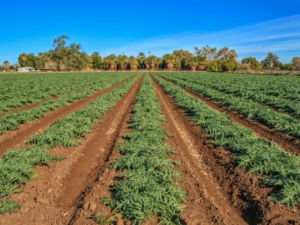 Organic foods are developed and processed differently than regular food. Organic food is produced by farmers for the conservation of soil, renewable resources, and to develop environmental quality for future generations. Organic dairy products, meat, poultry, and eggs come from animals that are known as growth hormones. Organic food is formed without using pesticides or fertilizers.
Organic farming is concerned with protecting the environment and more effective with the existing ecosystem, along with conserving water, soil, and energy. Traditional food farming methods are often used as crops to prevent the soil of nutrients.
The nutritional content of organic and grown plants have the most significant differences in key vitamin and mineral content. Although the differences are small and that some organic food has:
Rules for Soil fertility and crop nutrient management
The basic, producers of organic crops must manage their soil and crop nutrients within the scope of the national organic program. The national organic program rules:
Organic food farming methods
Many agricultural products can be produced in an organic way. Meat, eggs, and dairy products come from animals that are fed organically. They live in conditions that are natural to them. Vegetables and fruit are also produced with organic methods.
Categories of organic food
The organic food began with fruits and vegetables, particularly the pesticide residues in them. However, the popularity of organic foods has extended to all food grains, tea, spices, and oilseeds.
Some of the organic fruits and vegetables are given below;
Vegetables
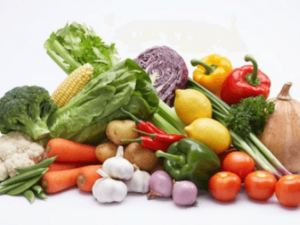 Organic vegetables are popular consumption of organic food. The main important organic vegetables are spinach, tomatoes, cauliflower, potato, carrot, capsicum, and green chili. These vegetables are exposed to human rather than toxic chemicals and fertilizers. They are hand weeded and densely planted.
Fruits
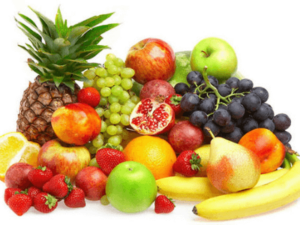 Organic fruits are the consumption of organic food products in India. Organic fruits like pomegranates, bananas, peaches, and apples are the most bought organic products. In such types of fruits, quick ripening chemicals like acetylene gas in the type of calcium carbide are not used. The quality of organic fruits by consistent sweetness can be felt up to the core of the fruit.
How to Grow Crops Organically?
Some methods may include organic food cultivation are;
Organic Food Production Methods
Pest and disease management in organic food cultivation
The integrated pest management system is important for organic farming and for the land requirement. Producers want good integrated pest management to control and help prevent crop pests, weeds, and diseases.


