
Welcome to Modern Agriculture!

Today, we learn the organic food cultivation and organic farming methods.
Organic food farming is the production of food without the use of synthetic chemicals or genetically modified components. Organic foods are not essentially completely chemical-free, but the pesticide residues will be considerably lower than those created in produce manufactured with synthetic chemicals.
Organic farmers and food producers grow and generate food without using synthetic chemicals such as pesticides and artificial fertilizers. They do not utilize genetically modified (GM) components or expose food to irradiation. Organic food is food formed by methods that comply with the standards of organic farming.
Organic foods are developed and processed differently than regular foods. Organic food is produced by farmers for the use of renewable resources and the conservation of soil and water to develop environmental quality for future generations. Organic meat, poultry, eggs, and dairy products come from animals that are known as no antibiotics or growth hormones. Organic food is formed without using conventional pesticides; fertilizers formed with synthetic ingredients or sewage sludge; bioengineering; or ionizing radiation. What are you waiting for? let us get into the details of organic food cultivation practices.
You may also check Organic Pest Control Methods.
Organic farming is concerned with protecting the environment and more effective in harmony with existing ecosystems, with conserving water, soil and energy, and others using renewable resources and natural farming cycles. Traditional food farming methods are often used, such as rotating crops to prevent depleting the soil of nutrients.
The nutritional content of organic and conventionally grown plants and most have no significant differences in key vitamin and mineral content. However, although the differences are small and that some organic food has;
Organic foods promote the more humane treatment of animals, with providing meat that is free from hormones and antibiotics. Also, some people worry about the long-term health, economic and environmental consequences of genetically modified foods and select organic foods to maintain an industry that does not use GM techniques.
Carbon-rich soils are like sponges absorbing water during floods and discharge it during drought. Yet when soils are damaged, they discharge CO2. Organic farming puts carbon back into soils by keeping them covered with plants, growing crop diversity, composting and carefully planned to graze.
We can heal the soil by transitioning to organic food, ending their chemical-induced depletion and strengthening their potential as carbon-consuming sinks. If we increase by just 0.4% a year the quantity of carbon stored in soils, we can halt the annual rise of CO2 in the atmosphere, which is the main contributor to climate change.
Beyond the basics, producers of organic crops must manage their soil and crop nutrients within the scope of the national organic program. The following are some of these national organic program rules;
You may also like Okra Farming Cost, Profits.
The demand for organic foods began with fruits and vegetables particular the evidence of pesticide residues in them. However, the popularity of organic foods has now extended to all food grains, pulses, tea, spices, and even oilseeds.
Some of the organic fruits and vegetables are given below;
Below are some categories of organic food;
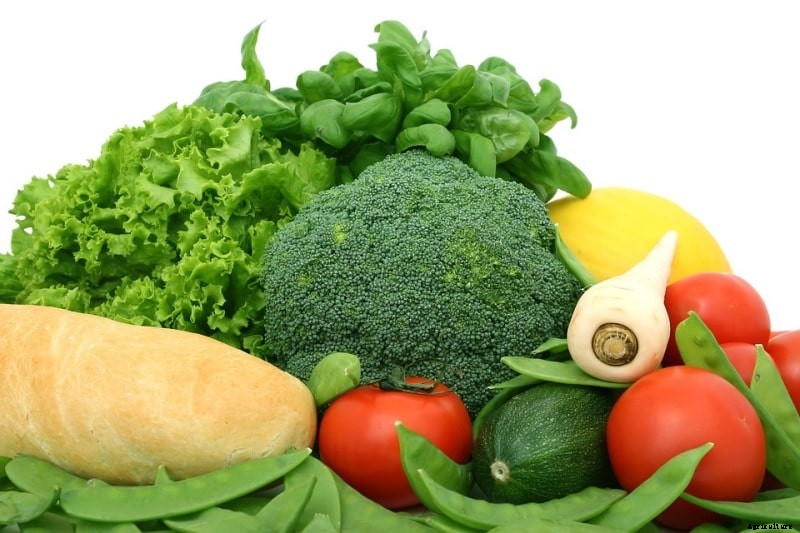
Organic vegetables account for the popular consumption of organic food. The main important organic vegetables are spinach, tomatoes, cauliflower, potato, bitter gourd, carrot, capsicum, and green chili. These vegetables generally have the exposure of humans rather than toxic chemicals and fertilizers. They all are hand weeded and densely planted.
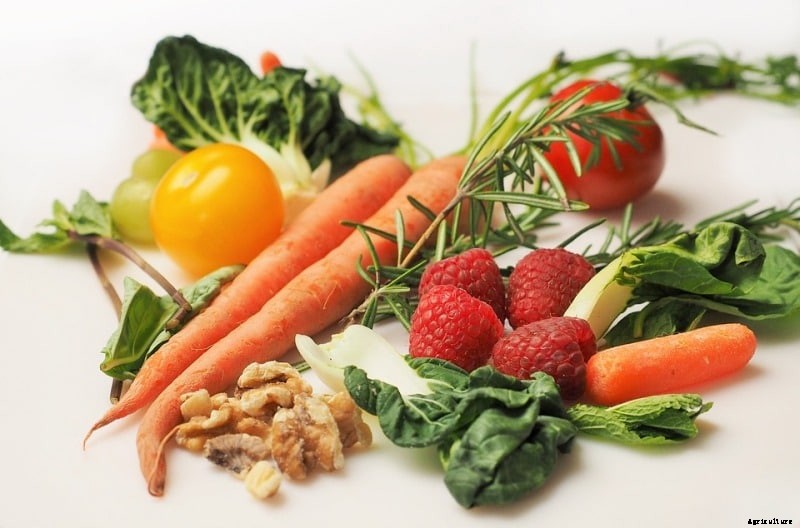
Organic fruits contribute a big deal towards the consumption of organic food products in India. Some organic fruits like Alphonso mangoes, pomegranates, bananas, peaches and apples are the most bought organic products. In such types of fruits, quick ripening chemicals like acetylene gas in the type of calcium carbide are not used and shots of ethylene hormone are also not given to the un-ripened fruits to fasten the ripening process. The quality of organic fruits by consistent sweetness can be felt up to the core of the fruit, unlike chemically ripened fruits.
There is a growing preference for organic fruits juices these days. This containing coconut water, orange juice, apple juice, pineapple juice, aloe vera juice, gooseberry juice, amla juice, etc.
You may also like Organic Herbs Farming for Profit.
Currently, organic food grains are in great demand as consumers are now becoming increasingly aware and health-conscious. Products in this category include wheat, millet, corn, maize, and rice. To grow these grains, mulches, organic fertilizers, and cow dung compost are used in place of synthetic nitrogen fertilizers, herbicides, and pesticides.
Consumers are displaying marked preference for organic pulses contain Moong, Chana, Toor, Masoor, Urad, Arhar, kidney beans, etc. It has been observed that organically grown pulses are sweeter and enriched with very high nutritional elements.
Milk constitutes the most popular item in the list of organic food products. In a simple language meaning of organic milk that milk obtained from cows that are not treated with growth hormones and antibiotics and are fed on 100% organic products and allowed to graze naturally. All this is undertaken to ensure that the formed milk is free from any undesirable chemicals because the cattle’s produce is affected by what they eat.
Organic eggs are formed from organic chickens that are kept on a natural diet and grains devoid of any antibiotics, chemicals, eggshells or ground bones. These organic chickens are not caged.
Organic meat is obtained from animals raised without treating, feeding and exposing them to some radiation, pesticides, herbicides, preservatives or genetically modified or GM organisms.
Organic meat is perfect for meat lovers as in is healthy and not have any chemicals in the meat as the animals are fed with natural food that does not contain chemicals. Organic provisions need animals to be raised without receiving antibiotics, hormones, or growth stimulants. Humane treatment and access to the out-of-doors are stipulated, and the animals should be fed 100% certified organic feed and must graze on certified organic pastures.
Organic tea is in huge demand at present. The reason for this is more flavored leaves and very higher nutritional values of organic tea. Organic tea cultivation is based on the conventional methods of farming to make high-quality green leaves. In this process, hand weeding is done to avoid herbicides and the weeded out plant material is mixed with cow dung and used as fertilizer. Cow urine is used to protect plants from different kinds of insects. Other popular organic beverages include coffee, Jal jeera, aam Panna, Nimbu pani, sugarcane juice, toddy, and kokum juice.
Organic fish are fishes that are rared in fish farms, for example, salmon, trout, cod, halibut and sea bass. Fishes that are caught in the open sea cannot be labeled as organic due to the actuality that it is uncertain of what the fishes eat.
Some management methods may include for organic food cultivation are;
Crop-related pest problems controlled by mechanical and physical methods that are including:
Some of the weed problems should be controlled by the following processes;
Disease problems must be controlled by the following methods;
It is not too late to read Smart Farming in India.
Some of the methods of organic food production will be given below;
Organic foods are not necessarily totally chemical-free. They can be grown on land not previously used for organic food production and, therefore, might contain chemical residues. However, the pesticide residues in organic food are considerably lower than those found in foods formed with synthetic chemicals.
A proper integrated pest management (IPM) system is important on the organic farm and is another National organic program (NOP) land requirement. Producers want a good IPM to control and help prevent crop pests, weeds, and diseases. The national organic program allows the following pest and disease practices;
For pest management and control the following measures used in order of priority;
That’s all folks about organic food cultivation and farming methods. Keep growing organic food!.
You may be interested in Growing Bottle Gourd Hydroponically.

