
Welcome to Modern Agriculture!

L. Holloway is an experienced keeper of chickens and other fowl who has spent nearly a decade educating others on their habits and care.
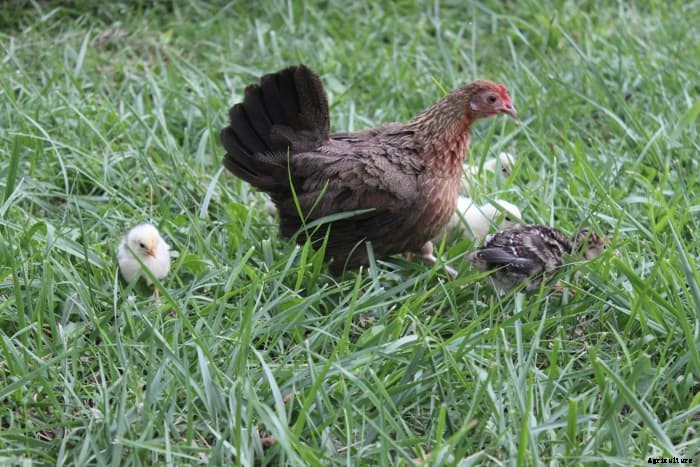
A broody hen is simply a hen whose hormones have convinced her to sit on a nest of eggs, hatch them, and raise the chicks. There are many advantages to allowing your hens to brood.
Broodiness is a hormonal state that may manifest at random or in the presence of certain environmental triggers. Not all hens will go broody in their lifetime, while others will go broody repeatedly in the course of a single year. Some hens can be convinced to go broody by manipulating their environment, while others will be utterly unpredictable in when they decide to set. In some rare instances, roosters have even gone broody, taking to a nest of eggs to rear them without any help from a hen.
You Cannot Force Broodiness
Please note that it is not possible to force a hen to go broody. If you need to be able to control when and how often you hatch eggs, your best option is to invest in a reliable incubator. By following the advice offered in this article, you can increase your chances of acquiring a broody hen, but it will not be possible to guarantee results.
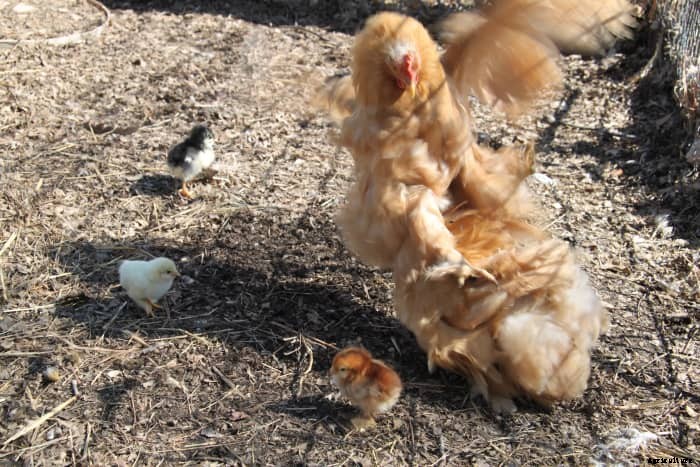
Not all breeds are created equally when it comes to the instinct to hatch and brood chicks.
The important thing to remember is that any chicken of any breed may decide to go broody in her lifetime, even if only once. Although they are known to be extremely unlikely to brood, varieties like polish, leghorns, and sexlinks have been reported to go broody on occasion. Your best bet remains to go with breeds known for the trait, though there is always a chance one of your production breeds may decide to go broody if the mood strikes her.
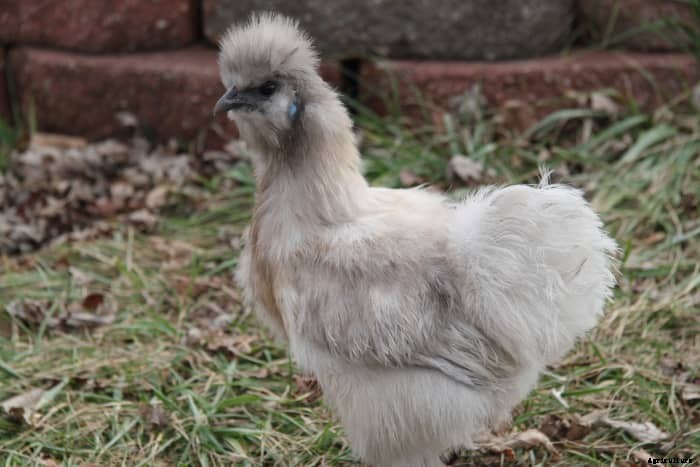
All chickens are individuals. Some breeds not known for being broody may decide to brood, while others who are typically broody may not set a clutch in their lifetime.
Silkies
Araucanas
Ancona
Cochins (bantam/standards)
Australorps
Andalusian
D'uccles
Brahmas (bantams/standards)
Appenzeller Spitzhauben
Booted Bantams
Orpingtons
Barnevelder
Japanese Bantams
Old English Game Bantams
Buckeye
Marans
Campine
Cornish (bantams/standards)
Chantecler
Delaware
Easter Egger Standard
Dominique
Hamburg
Dorking
Leghorns
Ameraucanas*
Polish
Easter Egger Bantams
Jersey Giants
Faverolles
Lakenvelders
Egyptian Fayoumis
Penedesencas
Hollands
Phoenix
Houdans
Rhode Island Reds (Hatchery)
Javas
Russian Orloffs
Langshans
Sebright Bantams
Leghorns
Red or Black Star (Selxinks)
Modern Game
Sultans
Naked Necks (Turkens)
Sumatras
New Hampshire Reds
White Faced Black Spanish
Plymouth Rocks
Yokohama
Rhode Island Red (Breeder)
Sussex
Welsummer
Wyandotte
Although they are not officially recognized as a broody breed, anecdotally, Ameraucanas have proven to be consistent and determined broodies, and they have raised several clutches of chicks in my own flock.
Please note the distinction between Ameraucanas and Easter Eggers. Most "Ameraucanas" and "Araucanas" sold in feed stores and hatcheries are actually Easter Eggers.
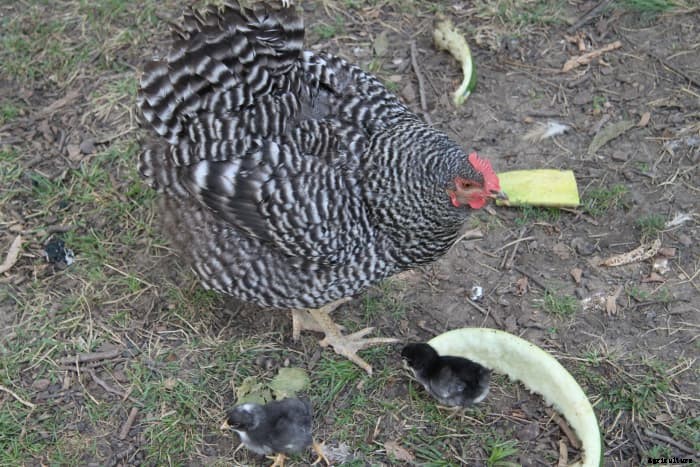
Many of the normal nesting behaviors performed by all hens are commonly mistaken for being broody activity. If you see your hen lingering in a nest, pulling nesting material over her back, or growling ferociously at those who approach while she is nesting, know that these are all perfectly normal behaviors for any laying hen, broody or not. They do not indicate that your hen is considering hatching a clutch of eggs.
A broody hen will adopt a very unique demeanor, and the first time you witness it, you will immediately recognize it as different.
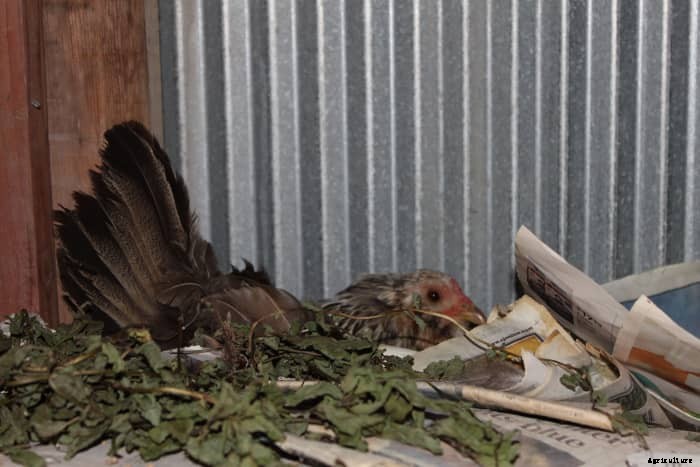
Generally speaking, broody hens will get off the nest once or twice a day to see to their needs, but if you notice that your broody hen has started defecating in her nesting box, it means that she is not getting up to relieve herself, and probably isn't eating or drinking, either. It may be necessary to remove your hen from the nesting box once a day and set her down on the floor so that she will be snapped from her trance long enough to eat, drink, and relieve herself.


