
Welcome to Modern Agriculture!

We have had up to four roosters and fifteen hens. Have since downsized since moving to town but still have a few chickens.
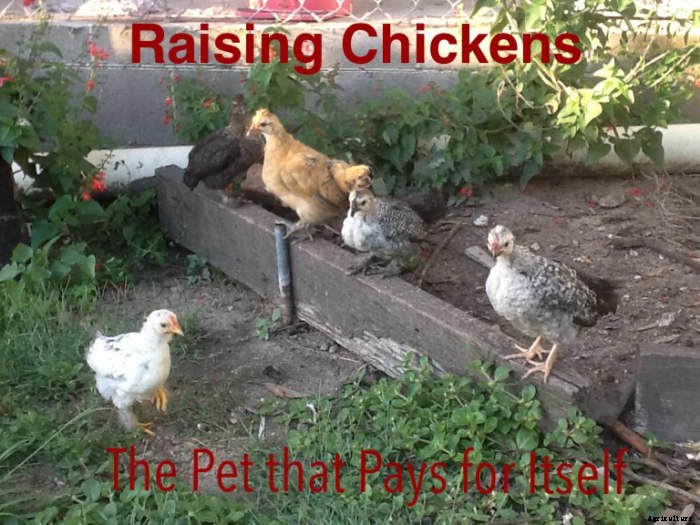
Pets are great and most of us have grown up with cats, dogs, guinea pigs/hamsters, maybe some fish—or, if you live in the country, even a horse. They offer companionship, entertainment, and unconditional love, and they help teach responsibility.
I have had pets in one form or the other as long as I can remember. The first pets my family had were a dog named Skipper and a Galah parrot named Cocky. Pets come and go but there isn’t a part of my childhood where we didn’t have at least one animal as part of the household.
However, owning pets, although very satisfying, can also be expensive. The initial purchase of dogs and cats (especially if they are purebred) can be quite prohibitive, particularly if this includes their immunization shots etc. Then, on top of that, there may be other veterinarian bills such as de-sexing (especially important for cats if you don’t want to quickly attain a house full), health problems, injuries etc.
One pet, however, that is comparatively inexpensive to purchase as well as in its ongoing care is the humble chicken (foul, poultry, chook—depending where you come from). Prices can vary depending on whether you purchase day-old chicks, point of lay pullets, or roosters and whether you buy them from a produce store or breeder. The particular breed itself can also be a determining factor.
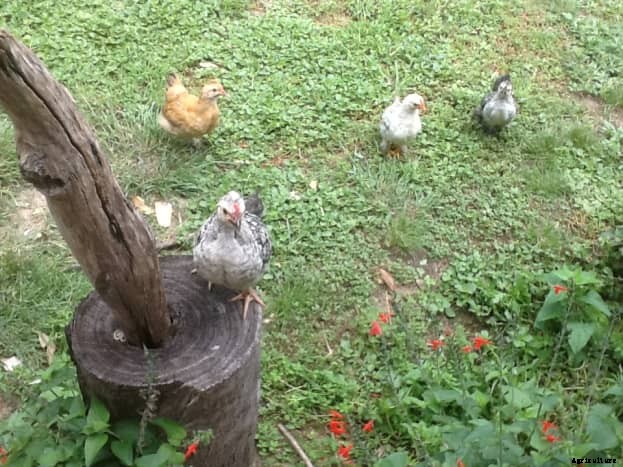


The humble chicken makes a lovely pet.
1 / 5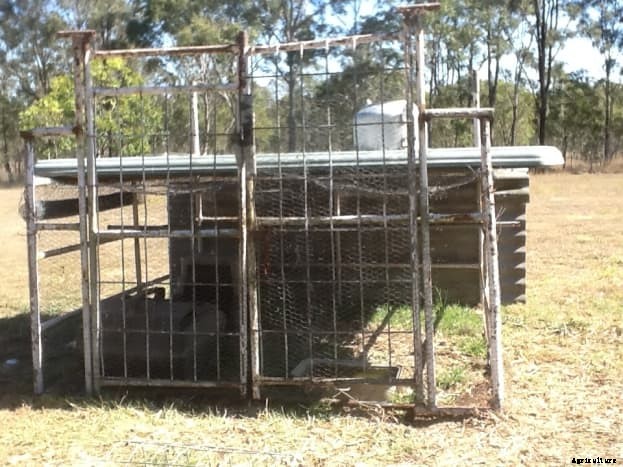


Pen suitable for newborn chicks
1 / 5After this initial set-up, you are ready to go as a chicken farmer or, as I call myself, a “cackleberry farmer.” It may take the chickens a week or two to settle in, and I recommend keeping them caged for this period. After that you can start letting them out to free range during the day, or if you have a portable coop just move it around.
Soon you will be pleasantly rewarded when the hens commence laying for you, and you will find that the value you get in eggs will soon pay for and exceed your initial setup costs and also more than cover the ongoing price of chicken food. We are currently getting on average six eggs a day from six hen's of laying age so every one is paying its way. This is more eggs than we can eat so when we accumulate more than three dozen we start giving them away or selling some cheaply to friends.
Before you do this, however, I advise to check your state or country regulations regarding the sale of homegrown eggs. In some places it is now illegal to sell "back yard" eggs due to health concerns. Though you are allowed personal consumption of the eggs your hen's produce, and I have heard of more people suffering food poisoning from eggs and chickens served at restaurants, fast food outlets and the like than from backyard farmers.
No longer will you have to throw food scraps in the trash as chickens will eat almost anything (apart from onion and citrus fruit skins). Basically whatever your dogs and cats won't eat, and you don't recycle into compost, will be eagerly devoured.
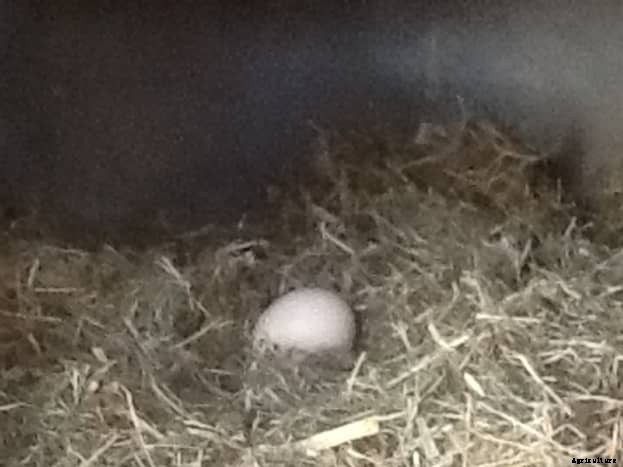


If you do have a rooster and some bantam hens, you will find that you regularly have a hen going broody (clucky) and sitting on a nest of eggs. In around 21 days (a typical incubation period), you should be the proud owner of a new batch of chicks.
Bear in mind it is unlikely that all eggs will hatch (usually between 50-75% success rate). Sometimes the hens will try to sit on more eggs than they can accommodate.
When the chickens finally hatch, I usually leave them in the cage for at least five weeks, until they are big enough to risk releasing to face the big bad world and hopefully fend for themselves. By this time the mother hen may also have lost interest in caring for them.
It will probably take at least this long for you to find out if they are hens or roosters. Ideally it is recommended you have no more than one rooster per 10 hens, but we have four roosters and only fifteen hens at the moment and they are all happy. Our roosters have grown up together and have never fought yet.
If you do find yourself with too many roosters you have a couple of choices. Turn the odd one into the Sunday roast (if you have the stomach for killing, plucking and gutting), or try to sell or give them away.
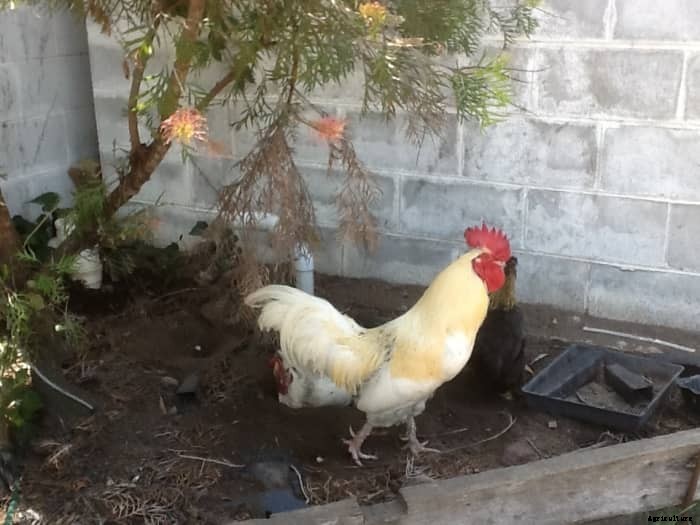
Although chickens are often thought of as just a farm animal and may not be considered the conventional pet, I find they can be exactly that. If you feed and interact with them from the time they hatch they can become very tame. They are more intelligent than many people give them credit for; they have individual personalities and are good entertainment value. Give them each names to suit their personality (as long as you don’t intend eating them. Never name your food!) We have one hen that is so tame it regularly comes inside the house to lay an egg, so we don’t even have to go hunting for it.


