
Welcome to Modern Agriculture!

Rochelle has experience with wild critters and gardening adventures while living the simple life in a rural area for 20 years.
When we first moved to the country, we wanted to plant a garden. The second step in "ruralizing” our life was to get a few chickens. Eggs go so well with vegetables, after all.
When you buy baby chicks, the people at the local feed store may tell you that the chickens are a "straight run." This means that there will likely be 50% males and 50% females. Or they will tell you that the little birds have been “sexed” or tested and sorted to assure that you will get all (or mostly all) females. There is still a chance that an impersonator or two will get through.
Our first flock of five baby chicks turned out to include one rooster, who was promptly named Comet by our grandchildren.
The hens were of different breeds, including Rhode Island Red, Araucana, and two others. We got brown, tan, white, and blue eggs.
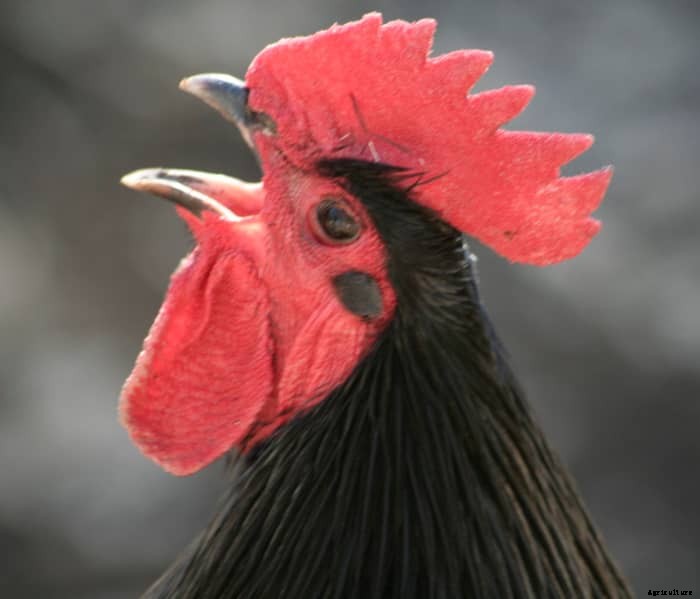
Comet was a handsome bird. His shiny black feathers had an iridescent green glow in the sunlight, which complemented the blood-red comb.
Below, you'll find six good reasons to have a rooster in your flock, as well as a few reasons not to.
Maybe you want to raise more chickens. If you want your hens to nest and set on eggs to hatch, or if you want to use an incubator, you will need to have fertile eggs. In that case, you will need a rooster.
If you have a small backyard flock without a rooster, your hens will still produce eggs. If you don’t have a father bird, the eggs won’t be fertile, and that is fine. The eggs are perfectly good for all your cooking needs with all the qualities you would want.
Some people think that fertilized eggs are more nutritious, but others are freaked out by the idea of eating unborn chicken. In any case, the eggs look and taste the same.
If you are concerned, refrigeration halts any potential growth inside the shell. Almost all store-bought eggs are produced by hens that have not mated.
We have had small flocks of three to five hens, and they seem perfectly happy without a rooster. In fact, hens tend to be better “pets” and more people-friendly when they are not constantly being chased by a large feathered and spurred suitor.
Hearing a commotion in the garden yard one day, I went out to discover that two stray dogs had gotten into the fenced enclosure, and they had met Comet in mortal combat.
The rooster was fearlessly taking them both on, and the feathers were flying. When the dogs saw me, they ran for the fence and exited by the hole they had dug under the wires. Comet was a bit disheveled, with random feathers sticking out in odd directions, but otherwise fine.
The four hens were cowering in a far corner. The dogs didn’t come back, and I suspect their adventure left them with several painful scratches on their noses.
If you have several hens, and especially if you free range them part of the time, your rooster tends to be the shepherd or “manager,” keeping them together for protection.
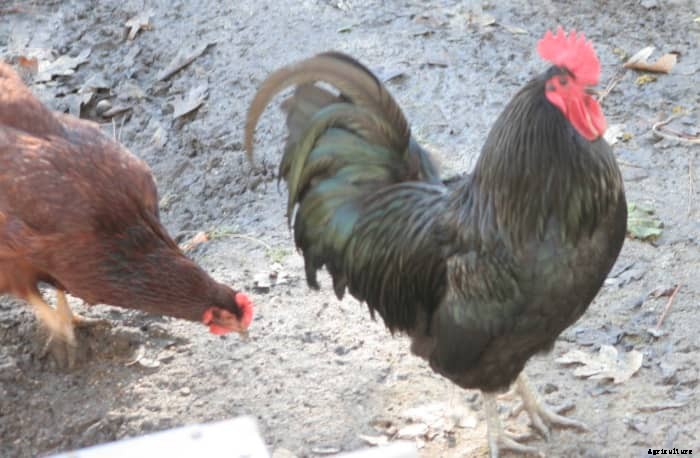
Roosters are proud, elegant, and attractive birds. They are more colorful and more charismatic than hens. As the iconic farmyard symbol and rural alarm clock, they can be quite appealing.
Comet knew he was a "looker" and was always ready to puff up his feathers and show his confidence.


