Welcome to Modern Agriculture!

Theophanes is a New-England-based blogger, traveler, writer, photographer, sculptor, and lover of cats.
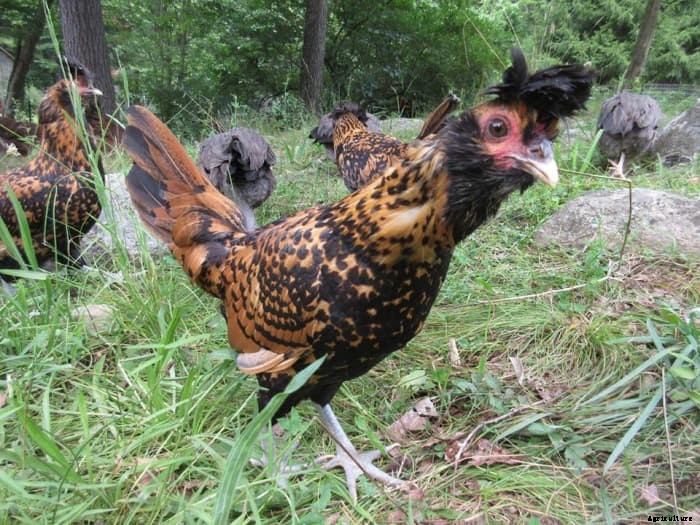
Humans have been keeping chickens for thousands of years, and for most of that time, chickens have lived a life more suitable to a stray cat than what we see today. They usually lived free-range and ate bugs and various plants. Some may have been lucky enough to get the occasional kitchen scrap or have access to a compost full of refuse and worms.
However, most backyard chickens today live in confinement so they can't wander off into the neighbor's yard. It doesn't take long before these animals eat the grass down to nothing, and before you know it, they are eating nothing but grain feed.
Cows were the first animals to eat grain feed back in the 1880s. Chickens started eating mostly grain feed after World War II when they started to be raised on industrial farms. We've learned a lot since those early days about what a growing bird needs and have invented a variety of feeds for all different reasons. Below I will describe the common varieties and feed and their uses.
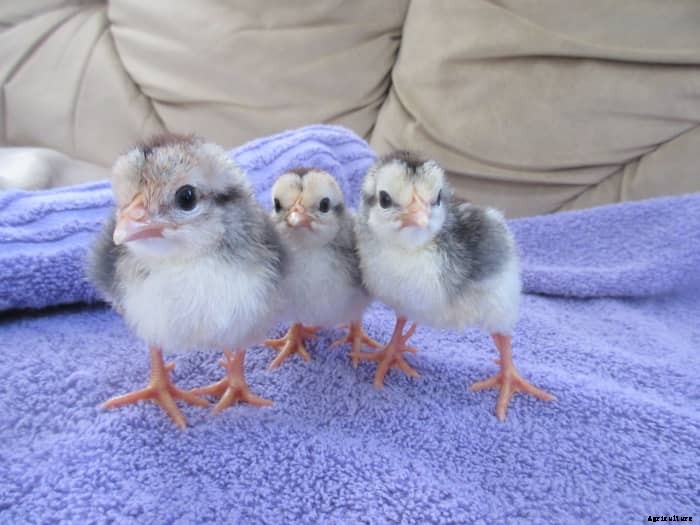
Chick starter is the grain feed with the highest amount of proteins of all the varieties. It comes in what is called crumbles, which will look a lot like grains of sand or dirt. The extra protein is so that they can grow in a quick and healthy manner, and the crumbles are so they can swallow it with their small size. This is the feed you give chicks when they hatch, and you want to continue feeding it to them until they graduate to grower feed at 4–6 weeks of age.
Grower feed has less protein than the starter but still more than layer feed. It is to support the growth of birds after six weeks of age until the hens start laying their first eggs. Depending on the brand, you may find it comes in the crumble variety or pellets. Some people prefer pellets as they feel the waste is less. Some people prefer crumbles because they can make fermented feed or mash out of it by mixing it with water, making a sort of porridge. This also greatly reduces waste.
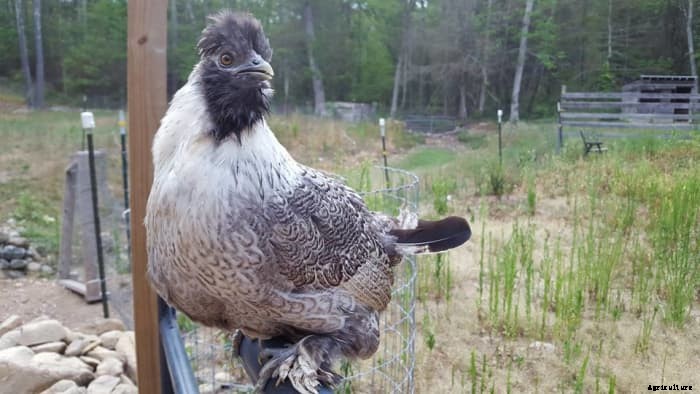
Layer feed is made for hens to support their bodies through times of heavy egg production. It is very high in calcium for this purpose. Of course, calcium is great for these hens when they are producing eggs but high calcium is actually harmful to the liver and kidneys of younger birds who are not yet laying, roosters who will never lay, and older birds who are past their laying years. It is however the cheapest and usually pelleted.

So what do you feed a flock that has mixed ages and purposes? There is something called flock raiser that is on the market right now just for that. It is most similar to grower feed, and in a pinch, you can use grower feed if you can't find flock raiser. It has enough protein for growing birds and lacks the calcium that could be bad for roosters, chicks, and elderly birds. However, since it does not have this added calcium, it is not great for laying hens whose shells will become weak and who may not be able to support laying. This is why if you have laying hens within your mixed flock, you will need to make sure they have another source of calcium. These days most people opt to use oyster shell for this. It can be bought in 50-pound sacks at any feed store and should be offered in a separate bowl all the time. The hens who need it will eat it, and most of the ones who do not should leave it alone.
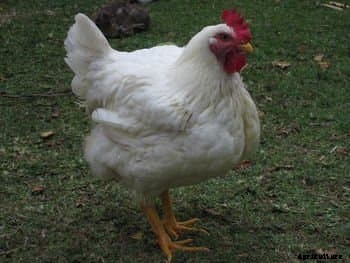
Broiler feed is very high in protein, probably more than you'd normally want for most situations. It is made for very fast growth and nothing else. This is what you feed commercial broiler birds to raise them up for slaughter. It grows them up ridiculously fast, and they will be ready to slaughter at eight weeks, which means no effort whatsoever has to be put into making this feed healthy or sustainable since the birds eating it only have to last eight weeks. If you are raising heritage roosters to eat, they grow much slower and are usually ready to slaughter between 4–6 months of age and are better off just sticking to regular grower feed.