
Welcome to Modern Agriculture!

The following information is about the Kadaknath Chicken Farming Project Report.
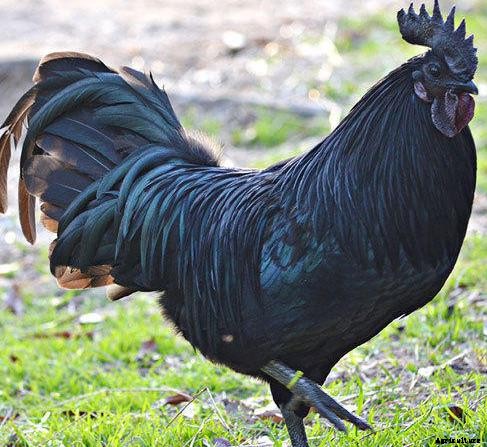
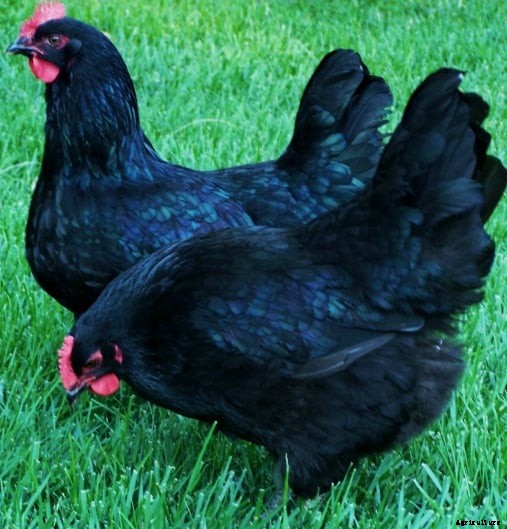
This breed is a unique chicken breed for its outward and inward appearance as well as for its meat health benefits. The Kadaknath chicken breed is commonly called by locals as kali Masi for its black flesh. It is commonly found in eastern parts of Madhya Pradesh state in India. The breed is mainly found in the state of Madhya Pradesh and adjoining states of Gujarat and Rajasthan. Pure breeds of Kadaknath birds are now scarcely found in the tribal regions of Dhar and Jhabua districts of Western Madhya Pradesh. The birds survive well in hot semi-arid climatic conditions with temperatures ranging between 12° to 42° C. They thrive well in harsh growing conditions such as poor housing, poor management, and poor feeding environments. The chicken breed is well known mainly for its black meat taste, adaptability, and belief to infuse vigor. Because of a group of natural pigments called melanin; the chicken breed body parts are completely black such as –legs, toenails, tongue, comb, and wattles, beak, bones, meat, and even the internal organs are dark in color. The other important factor for this chicken breed to be unique is its fat content, while in all other chicken breeds the fat content varies from 12 to 26%, Kadaknath chicken fat content is 0.70 to 1.05%. The breed population has sharply declined due to the high consumer demand and lack of commercial farmers.
The pure breeds are reared by the Bhils, Bhillalas, and other tribal (Adivasis) communities that dwell in the western regions of Madhya Pradesh. This breed is also found in native China and called Silkie and found in native Indonesia and called as AyyamCemani. There are three main varieties of Kadaknath Chicken.
As we know poultry farming is one of the oldest farming businesses and turning out to be more profitable in the present days. The Kadaknath chicken breed is native to the tribal communities of Dhar and Jabhua districts in Madhya Pradesh state. As the breed is famous for its black color and black meat chicken, commercial farming of Kadaknath chicken has successfully started in Andhra Pradesh, Tamilnadu, Telangana, and Kerala states. The products of Kadaknath chicken such as its black meat, brown eggs, and Kadaknath chicks are highly in demand with large profit margins. The birds gain weight from 0.50 grams to 1.75 kg within a period of 107 to 115 days with a high feed conversation ratio yielding maximum profits.
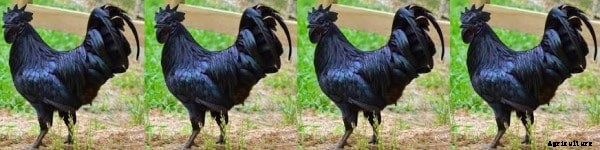
Kadaknath chicken meat has high medicinal values apart from nutritive values compared with other meat. Because of this, black meat chicken is very much in demand. This breed is very popular for its adaptability, disease resistance, and for its distinctive meat taste. The Adivasis or tribal communities believe in its medicinal properties and use the blood in treating many chronic diseases. The bird’s meat acts as a vasodilator that helps in regulating the blood flow in the human body and thereby infusing vigor. This meat is also used in homeopathy in treating a particular nervous disorder. Kadaknath meat is effective in treating women’s sterility, abnormal menstruation, and assists in habitual abortions. The meat and eggs of these birds are rich in protein and highly nutritive especially for children and older people suffering from high blood pressure, the cholesterol levels are very negligible compared with other bird meats.
Read this: Quail Farming Project Report, Cost and Profit Analysis.
Commercial Kadaknath chicken farming is solely based on its eggs and meat as this business has the potential to generate income within a short period of time. For a successful business and for huge income profits one must have some basic training with some small land. Even if it’s a small farming or a big farming business, a proper Kadaknath chicken farming business plan must be prepared and it must include feeding, housing, care, labor, capital investment, and marketing strategies. Having a decent business plan, you can start in the commercial growing of these birds.
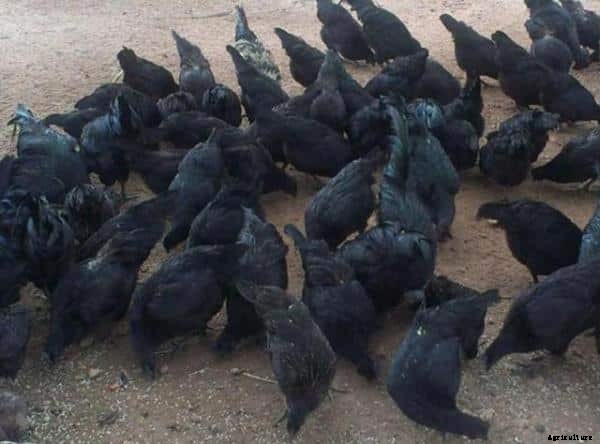
In commercial breeding and farming, they can be given pre-starter broiler feed with maize crumbs in the first two-month period. 20% protein diet can be given to birds once they cross two months. One can start feeding the birds with broiler starter feed followed by a regular feed depending upon the body weight and age. They eat a variety of foods from market waste to leafy vegetables, grass and etc, In open range farming, they know what they want and start feeding on small insects, seeds, grass, and other things.
Ingredients Brooder mash (0-8 weeks) in grams Grower mash (9-19 weeks) in grams Layer mash (20-72 weeks) in grams Maize 59.00 40.00 57.00 Bajra – 10.00 – DORB 4.00 23.80 5.00 Soya Meal 24.50 10.70 14.40 Sunflower Meal – 7.00 7.00 Fish meal 10.00 6.00 9.00 Mineral mixture 2.00 2.00 2.00 Shell grit – – 5.00 Salt 0.50 0.50 0.50 Methionine – – 0.10
Kadaknath Chicken Farming Project Report – Housing Management in Kadaknath Chicken Farming Business:
For optimum Kadaknath breeding and for-profits, Kadaknath housing must have a room temperature of 20° to 26° C and with 50% to 70% humidity. Birds can survive well in temperatures between 16° to 35°C. Kadaknath chicken is housed or reared in a litter system or in cages. Sheds must be free from natural predators such as cats, dogs, snakes, predatory birds, and rats. Shed and surrounding areas must be free from flies and mosquitoes. Sheds must-have comfortable housing conditions along with adequate light and proper ventilation during all seasons. Before introducing chicks in the deep litter system, disinfect all watering equipment, feeders, and brooding equipment, spread around 2 to 4-inch clean litter material such as sawdust, wood shavings, chopped straw, and paddy husk on the floor. The floor must be flat with no sharp protruding objects or rocks. Sheds length can be of any size with a width not more than 30 feet wide. The center of the shed height can be from 10 to 15 feet in height and the sides should be 8 to 10 feet in height. Two-thirds of the side walls must be open with wire mesh and avoid side walls in a cage system. In the cage system, the height of the shed can 10 to 20 feet high and the height can vary depending upon the cage tier arrangement. The flooring of the house or shed must be cement concrete. This will reduce disease problems and help in easy disinfection, maintenance, and cleaning, Depending on the farmer’s budget, the poultry roof of the shed can be made of straw, coconut leaf or Palmyra leaf, asbestos, plastic, or fiberglass, etc.
Kadaknath Chicken Farming Project Report – Brooder House:
Prepare the brooder house by disinfecting before the chicks are introduced. Place cardboard of 16 inches height and 6 feet in diameter making a brooding area for the chicks to stay inside. Inside the brooding area cover the floor with several inches of dry husk, sawdust, or peat moss. The brooding area or brooder house should be shielded from direct sunlight. For every 100 chicks require 250 W infrared lamps to keep the chicks warm. Divide the infrared lamps in such a way each brooding house will have one light bulb. Avoid heating the air or the room temperature, but just the brooding area where the chicks stay. Each chick of one to eight days old must have six to seven inches of free space in the brooding house. Supply feed and water as soon as the chicks are introduced or arrived.
Kadaknath Chicken Farming Project Report – Grower House:
Grower house is used to house egg-laying type birds of ages between 9 to 20 weeks old. Prepare the grower house by cleaning and disinfecting the place. The grower house must be clean and dry before the birds are introduced. Flooring must be spread with about 4-inch litter material. Place sufficient waterer and feeders, grower house must have sufficient floor space, feeding space, and water space for the birds to move around. To avoid diseases like coccidiosis, follow good litter management. The proper natural lighting of about 12 hours must be provided and no artificial light is required.
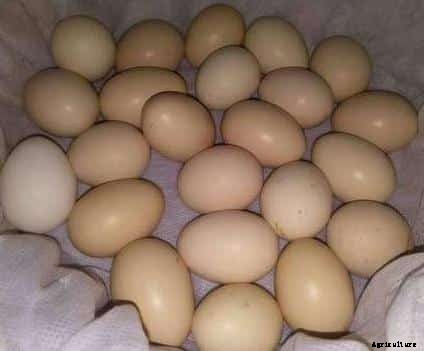
Kadaknath hen reaches maturity and starts laying eggs from the sixth month onward. The hen lays eggs in two to three clutches, eggs are laid in two to three clutches with each clutch producing 25 to 40 eggs; thus, giving about 100 to 120 eggs in a year. Kadaknath hens are poor brooders. Losing one egg without hatching will be a big loss, ensure maximum hatching takes place; hence, collect all the eggs for artificial incubation and hatching. Provide sufficient nest boxes for hens to lay eggs to avoid lying on the floor. Farmers must collect eggs at least four times a day with clean and sanitized hands; this will help reduce egg contamination and microbial load. Eggs that are cracked or misshapen are not good for hatching and also very small or large eggs do not hatch well. Eggshells that are thin or porous do not hatch as well.
The five important factors for successful incubation and hatching of eggs include Temperature, Humidity, Ventilation, the position of the eggs, and turning of eggs. Temperature is the most critical concern during incubation. At physiological zero temperature, which means the temperature where embryonic growth starts developing, should be over 24°C, and below this temperature, the embryonic growth is arrested. Maintain a temperature of 37.5°C for about the first 18 days and during the hatching period or last three days about 36.9°C.
Relative humidity during the first 18 days during incubation ranging between 55 to 60% and during the hatching period ranging between 65 to 75% this because to avoid dehydration of chicks. Fresh oxygen is required for the respiration of developing embryos; hence, good ventilation is important during the incubation and hatching period. 5% reduction of hatching is observed for every 1% drop in oxygen. Carbon dioxide, which gets released through the shell during embryonic development should be maintained between 0.3 to 0.5% to avoid the reduction in hatchability. Place the large end of the egg up for the first 18 days, as the head of the chick develops at the large end of the egg near the air cell. While during the hatching period or the last three days, place the egg’s horizontal position, when the chick is ready to hatch its beak cannot break into the air cell to initiate pulmonary respiration. There are commercial incubators that turn the eggs automatically every hour, a minimum of eight times a day the eggs need to be turned to reduce embryo mortality.
Read this: Hydroponic Fodder For Dairy, Goats, Poultry, Livestock.
Chicks that are hatched must be placed in a clean and dry brooder. The brooding area must be maintained with a temperature between 35 to 37.5° C until they are fully feathered. Reduce the temperature gradually by 2.5° C every week until they are a month old.
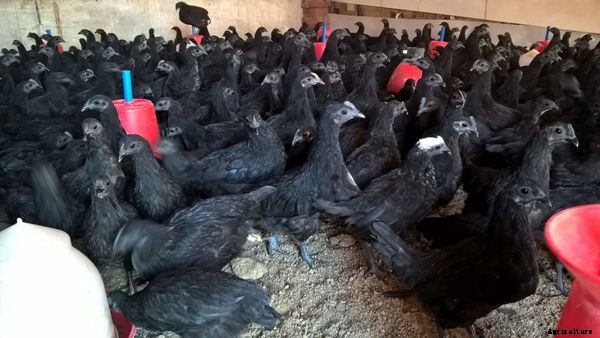
This breed can tolerate summer heat and cold winter stress and thrives well under limited food resources and minimal management conditions. The birds are hardy and exhibit an appreciable degree of resistance to diseases compared to other poultry birds and exotic fowl breeds. Avoid overcrowding of chicks or birds in the brooder shed to prevent coccidiosis disease.
For the Kadaknath chicken farming business to be successful and to run in profits, it must have the best marketing strategies. Advertising plays another important role in this business. Educate local customers about the health benefits and the importance of consumption of Kadaknath egg and meat products that provide more essential vitamins, amino acids, nutrients, and protein to the human body through leaflets or banners in retail stores. Promote your products through online business and create awareness through social media. Madhya Pradesh State has launched a special mobile app “MP Kadaknath” for bird sale and connects with other poultry from other parts of the country. Individuals and commercial farmers can place orders for Kadaknath chicken from anywhere. The early months must be spent in promoting and marketing the products in the local regions which will lead to expanding your business and clientele. The other traditional promotions include advertisement in a local newspaper, posters, and flyers which are effective marketing methods to increase business and revenues.
This project report is to give entrepreneurs an overview of investment and revenues and is not an actual revenue generation but for a business understanding.
Cost and profit analysis of Kadaknath Chicken unit of 500 birds:
Kadaknath Chicken Farming Project Report – Capital Cost:
Shed Construction (3sheds x (60 x 30 ft)) = Rs. 50,000/-
(Minimal local materials used)
Kadaknath Chicken Farming Project Report – Recurring Cost:
500 Chicks (one week old) @ 35 per chick = Rs. 17,500/-
Company Feed (15 quintals) = Rs. 18,000/-
Home Feed (17.5 quintals) = Rs. 15,500/-
Medicines = Rs, 1,500/-
Total Recurring Cost = Rs. 52,500/-
Income A: From Birds (mortality 15 birds):
Sale of 35 birds after 5 months @ 200 per bird = Rs.7, 000/-
Sale of 120 birds after 6 months @ 400 per bird = Rs.48, 000/-
Sale of 180 birds after 7 months @ 400 per bird = Rs.72, 000/-
Sale of 150 birds after 8 months @ 400 per bird = Rs.60, 000/-
Income B: From Eggs (each bird laying 105 p.a):
Total Eggs Produced: 450
Eggs for Incubation: 200 = Rs. 3,000/-
Sale of 250 eggs @ 15 each egg = Rs. 3,750/-
Kadaknath Chicken Farming Project Report – Total Income (A+B) = Rs. 1, 93,750/-
Kadaknath Chicken Farming Project Report – Net Profit (Income – Recurring Cost) = Rs. 1, 93,750 – 52,500 = Rs. 1, 41,250/-
On average from the sixth month onward, every month a farmer can make a profit of about Rs. 50,000/- after all farm running expenditure in the wholesale market and almost more than double profit in retail sales. Kadaknath cockerel is sold anywhere between Rs. 750 to 1500/- during festival season.
A selectively bred broiler chicken lays about 300 to 320 eggs per year, while a Kadaknath hen will lay anywhere between 95 to 120 eggs per year. With the same amount of feed, it is obvious the Kadaknath eggs are expensive. Broiler chicken tends to eat and eat getting obese within 45 days as their genes are selectively chosen to produce body mass and tend to die soon due to obesity. Whereas it takes a year for a Kadaknath cockerel to reach 1.5 kg and reaches a maximum weight of about 2.0 kg; the bird has a lifespan of about 12 years. Considering the growth and feed consumption and importantly the distinctive health benefits from its consumption and scarcity of the bird; it is obvious the pricing of Kadaknath chicken to be expensive.
Kadaknath chicken farming is a profit-earning business and provides job opportunities directly and indirectly to many people. Kadaknath breed farming is a simple business for its low maintenance and quality byproducts. Kadaknath eggs are rich in nutrients, vitamins, and protein and meat are one of the healthy poultry products having an array of health benefits. It is estimated that a tribal family makes about Rs.5, 000/- per year on one Kadaknath bird. Entrepreneurs and existing poultry farmers will be able to get a high return on investment.
In case if you are interested in this: Quail Farming Business Plan.


