
Welcome to Modern Agriculture!

The following information is about Country Chicken Farming Project Report, Cost and Profit.
Introduction: Poultry has contributed to human health and rearing has been an integral component of livestock over the millennia in India. Poultry is an integral part of farming systems and household economy for many families in rural regions, while in urban regions, large and small-scale poultries are providing good quality and safe poultry products to the urban consumers. Over the last few decades, the country chicken has transformed from backyard farming to techno-commercial industry.From an entirely unorganized and unscientific farming practice; poultry industry in India has advanced in the commercial production to a great extent by adopting scientific methods, standing as the third largest egg producer and fifth in chicken meat producer in the world.
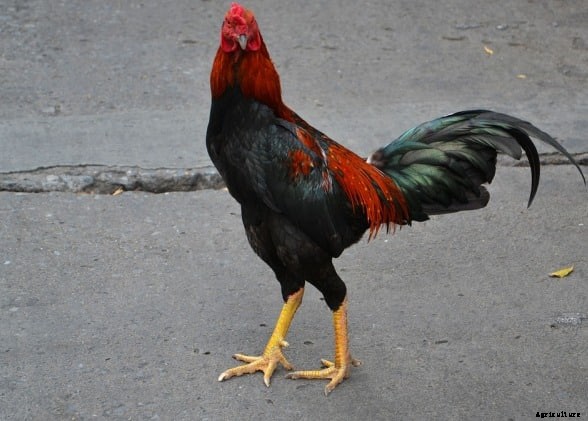
Country chicken farming is undertaken because of its nutritional meat and eggs, health benefits, economical in rearing and has social benefits. Before starting up a country chicken farming, an entrepreneur must have good knowledge on chicken housing and the different ways of how chicken can be kept, feed and its management, necessary hygienic conditions and health management practices, and finally with a proper business plan.
Country Chicken Farming Project Report – CrossBreed Country Chicken:
American Country Chicken Varieties: New Hampshire, White Plymouth Rock, Rhode Island Red and Wyandotte II.
Mediterranean Country Chicken Varieties: Leghorn, Minorca and Ancona, they are light bodied with high egg production.
English Country Chicken Varieties: Australorp, Sussex, and Orphington.
Country Chicken in Backyard: In this method, farmers rear the birds in their house by providing night shelters at the best possible location. Country chicken birds are let out to feed by scavenging the neighborhood and in the open free-range in the daytime. Cereals, kitchen waste along with fresh water is provided in the early morning before they are let out open in the daytime. Night shelters need to be well ventilated and regular proper cleaning should be done to destroy external parasites. Birds are more prone to parasitic infestation due to free-range. However, deworming every 2 to 3 months interval will keep the country chicken in good health.
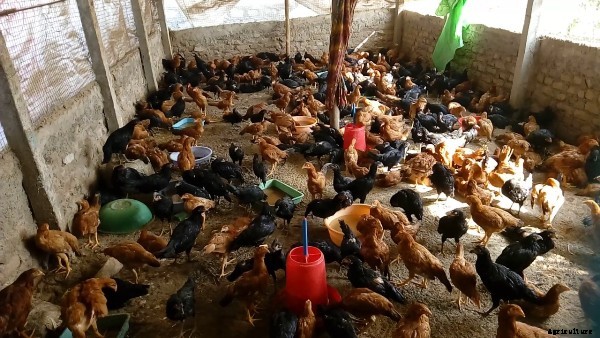
Country Chicken Farming Project Report – Raising Country Chicken in Sheds: This method yields more profits compared with country chicken backyard farming. This method is also excellent for rearing country chicken commercially. Birds energy loss, gaining of body mass, and supply of quality feed on a timely basis can be provided to yield better with higher income. There are two types in shed rearing:
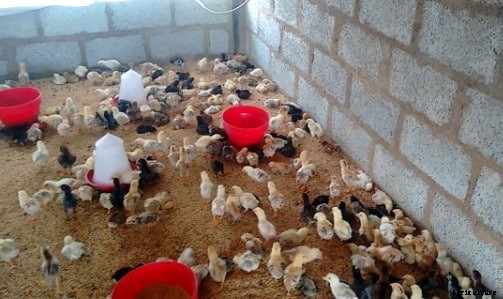
Over a period of time, a hen starts producing less number of eggs and the rate of hatching decreases producing weak chicks. This is because of inbreeding. To avoid inbreeding a farmer has to maintain new cock for every 10 hens every 18 to 24 months. This will maintain healthy poultry stock. Depending on the size and management, a brooding hen can hatch 12 to 16 eggs per sitting. Eggs are to be stored in clean and dry trays in cool places with its broad end facing upwards. Eggs older than 10 days must be avoided for hatching as the chances of hatching will be low. Eggs start to hatch from 21 days, this period is called a brooding cycle. After hatching, a broody hen remains with chicks by not taking them out for food and water for about a day or two. During this time care must be taken by providing clean water and food near the brooding hen.
A proper country chicken flock management can be rewarding. A flock can be maintained on farms, backyard or small acreages and with proper care and consideration will lead to good profits. By six weeks, birds will gain 0.65 to 0.75 kg body weight. These birds can be let out in free-range or backyard @ 10 to 20 birds per house depending on the availability of natural feed. Country chicken birds are prone to many predatory birds and animals while becoming an easy prey leading to huge losses. Birds that are closer to roadsides are a hazard both to the motorists and themselves. By early daybreak, the birds are let out for foraging and by night they needed to be provided with night shelter. Sewage and stagnant, dirty water become prone in spreading of disease organisms to the chicken flock. Protect the flock from going to nearby farms which are sprayed with insecticides and pesticides as it will lead to bird deaths. Farm poultry flocks require proper environmental protection such as rain, cold and heat. Birds that go outside must have adequate nutrition. Birds need to be habituated to return to the poultry houses by evenings for night shelter. Poultry houses must be dry with fresh air circulation, avoid moisture conditions inside poultry farms. Poultry houses must be dry, clean and with comfortable bird quarters throughout the year. Chicken flocks apart from the shelter and proper feeding require daily care with constant attention to the birds.
Even though country chicken is disease resistant compared with broiler chickens, yet they are prone to diseases. Commercial breeders cull birds that are disease infected to protect spreading of disease which is a harsh reality of chicken farming. Most breeders provide the healthiest diet possible and take measures in maintaining good health of the country chicken flock. But, even while ensuring the health and well-being of the birds; free-range country chicken flocks succumb to diseases.
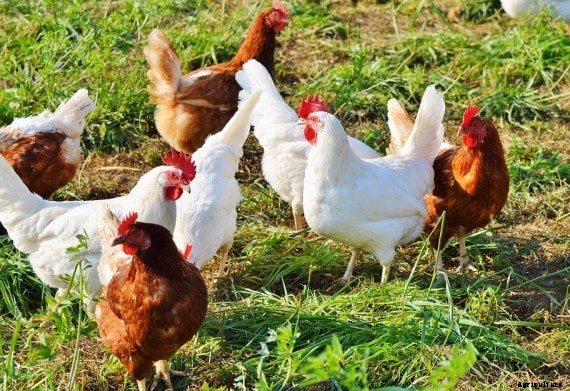
There are more than thirteen diseases and the most five common country chicken diseases are listed below:
Infectious Bronchitis: This is a viral disease and may infect country chicken. Bronchitis spread quickly among the flock through the air and its severity ranges from mild to severe. Those birds that are infected exhibit the following symptoms:
Even vaccinated birds may also be prone to this disease and studies shows the recovery rate may increase. Infected birds can be treated with antibiotics and while recovering birds must be provided heat lamp to keep them warm. The best solution to prevent flock from the disease is to keep the bird’s immune system healthy.
Avian Influenza: This disease is commonly known as the Bird-flu. This is a contagious disease and if one bird is affected the entire flock can be affected and even spreads from farm to farm. This disease doesn’t only spread from country chicken, but from any other domestic bird or any wild birds. The disease mainly spreads from the mucus or feces while even insects and rodents can transmit from the infected bird. Infected birds need to be put down and the carcass destroyed completely. Sanitize the places the birds were in before introducing a new flock. There is no vaccine for this disease; we can put to rest the fear of this dreaded disease when you are aware of the symptoms or early signs with timely actions.Those birds which are infected exhibit the following symptoms:
Infectious Bronchitis: This is also commonly called Mycoplasmosis. This disease can be detected when the chickens start sneezing, snoring and coughing. This is a viral disease and transmits quickly through the air. This disease can be controlled by administering the vaccination. Infected chickens are isolated and kept in a warm, dry place to recoup. Those birds that are infected exhibit the following symptoms:
Fowl Pox: This is another common disease among backyard country chicken flock. This is a viral disease and can be transmitted to others through the air; though this disease has fewer fatalities while going unnoticed in the flock by new chicken keepers. Fowl pox can be controlled through vaccination. Just like chicken pox in humans, white blister-like lesions and scabs are developed on the combs and wattles while in extremely rare cases, lesions appear on the body, legs, mouth, and throat is affected with pox causing breathing problems which leads to bird’s death. Infected birds while undergoing treatment must be isolated in a warm, dry place and fed with soft food during recoup. Scabs that are developed while healing will fall off in about three weeks. Those birds that are infected exhibit the following symptoms:
Infectious Coryza: This is one of the chicken diseases caused by a bacterium which don’t have vaccination; infected birds can be treated with antibiotics but not with a guaranteed cure. Infected birds will have their eyes, comb, and head swollen. You will observe a white discharge from their eyes and noses along with moisture under their wings. This disease is a life-threatening one, chickens that contract this disease have to be put down and the carcass has to be destroyed completely as it may infect other animals. Those birds that are infected exhibit the following symptoms:
The last two vaccines should be administered on every sixth month.
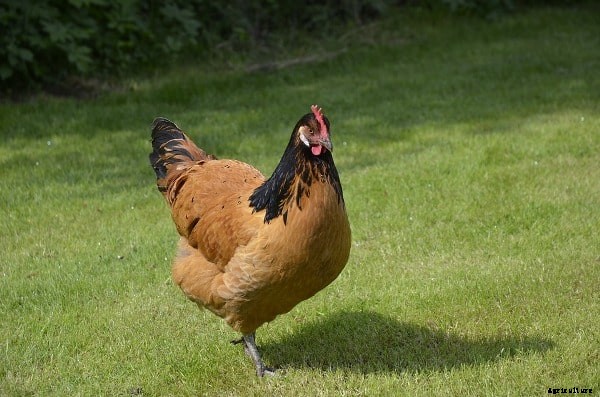
Feed with quality nutrition is the foundation of country chicken health and performance. Country chickens that are raised in the free-range feed on grains, worms, and green plants; they are also prone to feed on junk food that is available in urban areas. Those chickens that fed on junk or fast food will have health problems with shorter life. Feeding chickens in the backyard or in the free range are difficult to tell what exactly to feed when to feed and how much to feed them. Chickens that are raised in free-range farms consume food diet that is available in nature, but to keep them healthy, a grower must also give them a timely nutritious feed. Giving supplemental feed will be based on the purpose of rearing. For egg production country chicken should largely depend on scavenging insects, greens, and other for protein requirement. For meat purpose, country chickens are encouraged to feed on with commercial layer chick feed. Additional supplementation of cereal feed such as Bajra, Ragi (Finger millet), Jowar, broken rice, etc. will be beneficial to sustain country chicken production. Birds suffer from poor feathering, slower growth and more prone to diseases when fed on poor nutritionally balanced diet available on the free-range farm. The most common cause of poor growth in country chicken is a failure to provide a commercial feed that contains fortified supplements with balanced nutrition. Country chicken laying hens must have sufficient calcium @ 3 to 4 grams per bird per day in their diet; roosters require more protein in their diet.
There is a saying from old-timers – ‘feed a chicken as much as it can consume in ten minutes twice a day’. Country chickens that have access to good pasture can be fed twice in a day with mixed grains as they can feed on other organic things in free-ranging but no need feeding at night. Certain foods are to be avoided that include: moldy food, junk food, salty foods, scratch grains and sugary snacks.
The immune system is a mechanism that fights off illnesses, diseases, and infections in living things. Flocks with better immune system will have healthy birds in great shape. Proper vitamins, nutrients, minerals, low stresses, good environment and proper rest are some of the things that boost immunity apart from genetic factors, age, and gut health. Some of the natural organic immune boosters are:
Garlic: It is an antimicrobial that powerfully aides in the immune system by repelling parasites. It also helps in deterring intestinal worms. Crush one garlic clove and mix it with one-liter fresh water in multiple feeders as drinking water. Place one more water feeder with ordinary water in it. Do not use garlic water in a metal feeder as garlic will corrode it. Allow the flock to consume garlic, water once in seven to ten days or twice in cold seasons. Excess consumption of garlic, water can lead to Heinz anemia that causes weakness.
Herbs: Herbs aid in chickens health and digestion and many kinds of herbs are recommended as a diet in country chicken growing.
Fruits: Fruits are a healthy source of many minerals, vitamins. Chicken feed on many fruits such as bananas, watermelon, grapes, berries and more. Bananas are rich in magnesium, potassium, fiber and rich in Vitamin B. Blueberries are packed with full of vitamins and nutrients such as selenium and phosphorous and help in digestion while act as antioxidants. Strawberries are powerful immune boosters.
Greens: Fresh green veggies are another great part of the country chicken diet. Kitchen waste becomes a rich source of their daily diet in backyard farming. The grass is one of the excellent sources of food, chicken love to feed in the free-range chicken farming. Greens are packed with loads of vitamins and minerals.
Seeds and Grains: Birds love to feed on seeds and grains. Sprouted grains and seeds become excellent nutritious sources.
Financial assistance from banks can be availed through loans for existing and new entrepreneurs to construct poultry shed, feed room, and other poultry equipment. Farmers having experience or training on poultry farming and those having land for constructing poultry sheds will be having the added advantage to avail loans early. Banks offer friendly repayment methods to farmers by granting 6 month grace period for doing busing with bi-monthly installments. Collateral security by mortgaging of land will ensure the quick process of financial assistance. However, some state governments will subsidize the interest rate on the loans sanctioned by the commercial banks for the establishment of poultry farms. Hatcheries established with 100% government investment will help in rearing chicks. DWCRA groups can avail full support and training in performing poultry vaccination from the government. And many more subsidies on loans and the rate of interest can be availed by checking particular state government policies on poultry farming.
Economics in Country Chicken Farming: Investment and Maintenance pattern for small country chicken farmers in deep litter system. Pricing is subjective to change depending on the local availability of materials. The figures in this project report are not accurate, but assumption to give an understanding to young entrepreneurs on investment and returns on the country chicken business project.
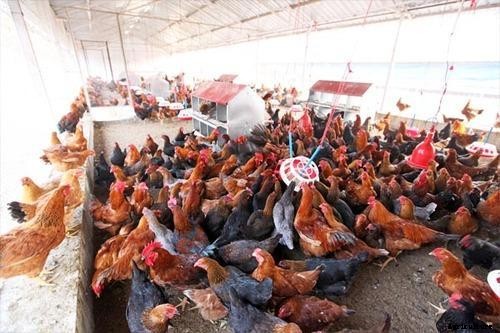
S.No Particulars Cost (Rs)
————————————————————————–
A. Economic Norms
1. Batch size 1500 chicks
2. Mortality rate @ 5% 75
3. No. of batches per year 3
4. Cost of live bird 180/-
5. Average weight of bird 1.5
at the time of sale
6. Eggs per annum per bird 124
Total 1,93,450/-
D. Total Expenditure (B + C) 2,86,450/-
From the next batch sale, the farmer need not invest in fixed expenditure. Hence the profit margin value will increase approximately double. Excluding labor charges and other investment cost. The young farmer can make profits more than two lakhs from the second batch onwards. Selling 3 batches of country chicken per annum, the farmer will make a profit of about six lakhs on a small scale country chicken farming business.
Country chicken is in great demand in the local market. Indigenous chicken variety need not need much investment in marketing. To have more profit, it is good to avoid middlemen in the local market. Make a tie-up with local chicken retailers, dhabas, malls, or hotels, as they require country chicken birds on a regular basis.
Country chicken farming business is a profit making business and provides job opportunity directly and indirectly to many people. Indigenous breed farming is a simple business for its low maintenance and quality byproducts. Country chicken eggs are rich in nutrients, vitamins, and protein and the meat is one of the protein-rich poultry products.Young entrepreneurs and existing poultry farmers will be able to get a high return on investment.


