
Welcome to Modern Agriculture!

Breed: Ancona duck
Origin: The Ancona duck was developed in Great Britain during the early 20th century. It is similar to a Magpie duck and considered to be a descendant of the Indian Runner Duck and the Belgian Huttegem duck breed.
Standard Description: A two-toned breed that is an excellent layer and a hardy all-purpose duck that grows relatively quickly. The Ancona duck is not recognized by the American Poultry Association, but a few breeders are working to obtain recognition of the breed.
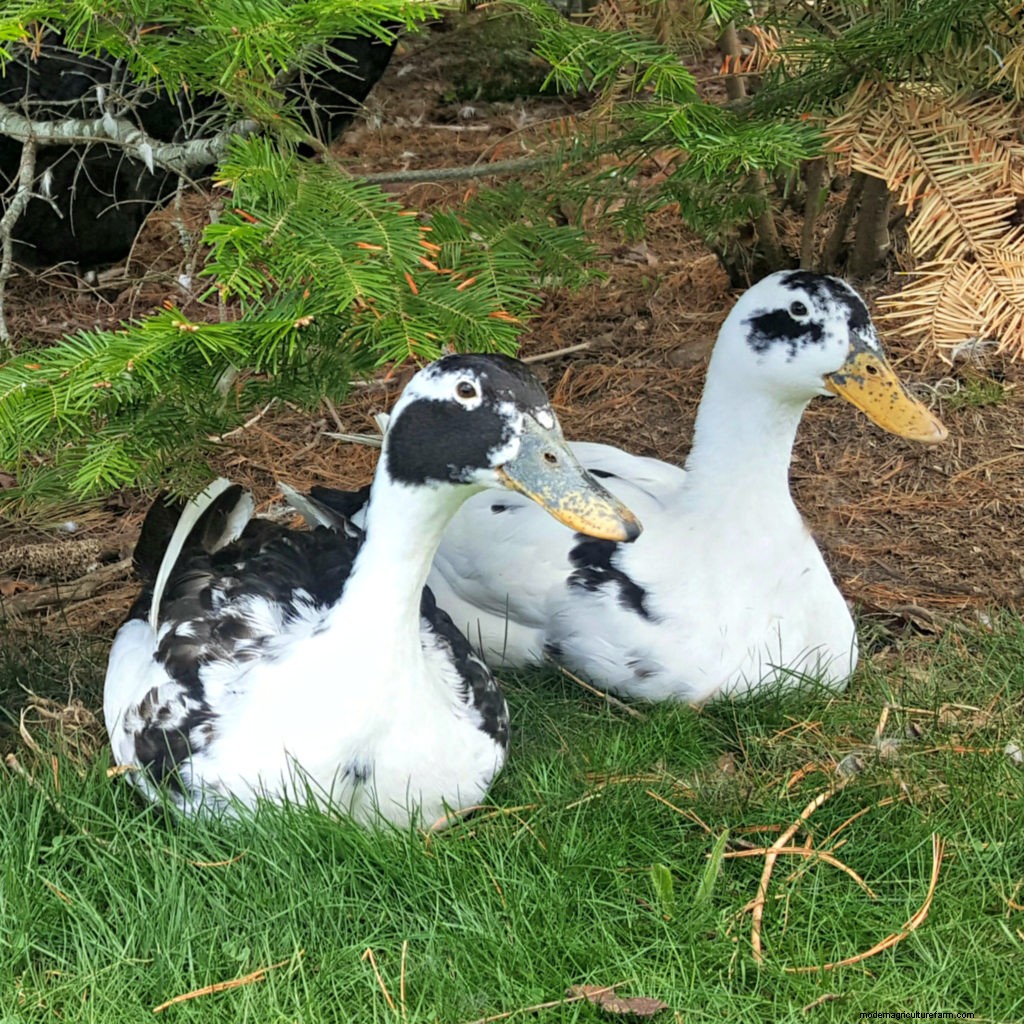
Conservation Status: Watch
Size Class: Medium
Size: The Ancona averages 6 to 6.5 pounds and is a bit stockier than its close relative, the Magpie duck. It has a medium-sized oval head, a medium-length bill that is slightly concave along the top line, an average neck that arches forward slightly and body carriage is 20 to 30 degrees above horizontal.
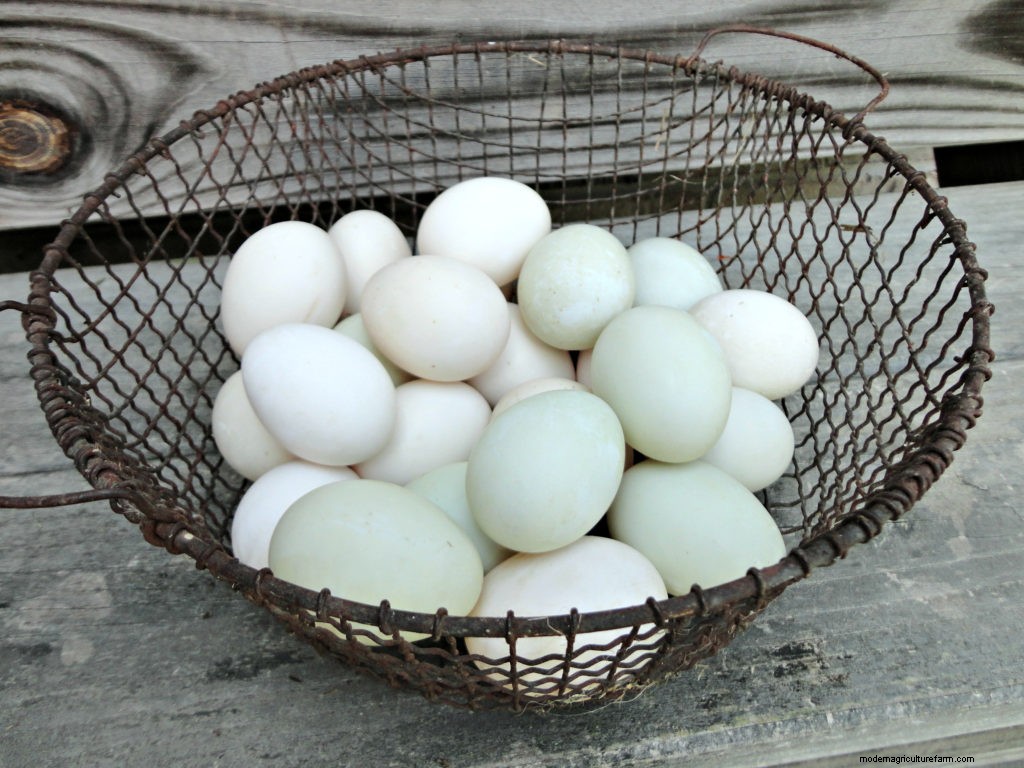
Egg Color, Size & Laying Habits:
• White, cream, tan, green, blue or spotted
• Large
• 210 to 280 a year
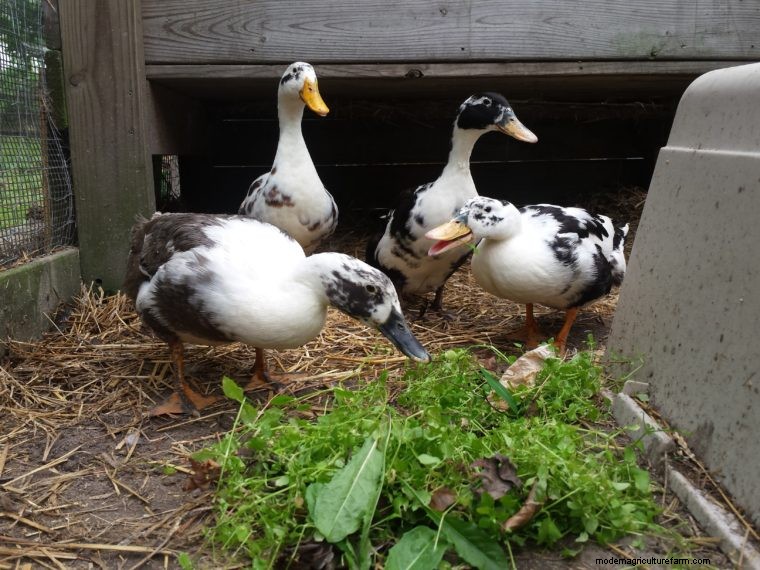
Temperament: Active, but homebodies. They typically do not fly, making them good backyard ducks who stay close to home and safer from predation.
Coloring: The broken, mottled plumage is unique among ducks. Like Holstein cattle, there is no set design. The spots are more asymmetric patches rather than true spots. The neck is normally solid white; bills are yellow with dark green or black spotting, and the legs and feet are orange with black or brown markings that increase with age.
Color Combinations: Black and white; blue and white; chocolate and white; lavender and white; and multicolored.
Ancona Duck Owner Testimonial:
“Ancona ducks are excellent foragers and will have no trouble supplementing their diet with grass, weeds, bugs and worms.” – Lisa Steele of FreshEggsDaily.com.
Popular Use: Eggs, meat
Sources:
The Livestock Conservancy
Cackle Hatchery
Storey’s Illustrated Guide to Poultry Breeds
Promoted by: Chubby Mealworms

