
Welcome to Modern Agriculture!

As we head into the Holiday season, some of you may be asking “I wonder if I should raise turkeys?” Here’s some food for thought to help you ruminate on the idea. That way, you’ll be ready next June to mid-July when it’s time to start growing them for next year’s Holiday Season.
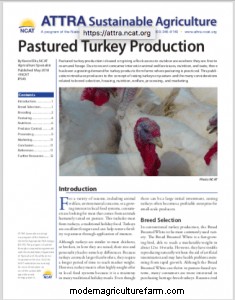
I say this because I’m a leap before I look kind of person, and when the new ATTRA/NCAT “Pastured Turkey Production” publication showed up in my in-box I popped it up and began reading, thinking about what I would do to get started raising turkeys. If you’ve raised some kind of poultry in the past, and you’re accomplished at setting up and moving netting, this publication will be helpful. But as I read through, some of the topics prompted memories of my beginning experience with raising broiler chickens. So here are some additional resources and suggestions to help you look before you leap.
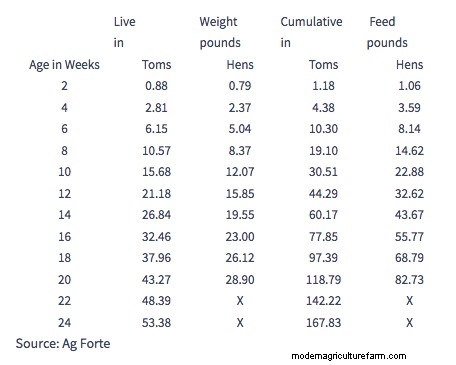
This is the marketing section of the new booklet and its the most important part. Before you order your turkeys and set up their brooding area, you need to know where they’re going to go when they’re grown up and whether or not you can make any money at it. This section reminds us to think about the cost of the birds (Turkey poults can cost from $7 – $15) and how much feed they’ll need (64 pounds for hens and 100 pounds for toms over a 20-week growing period). It also has some good ideas about how to find your customers and get them signed up.
To give you a head start on figuring all the costs, check out this post from the folks at Nami Moon Farms in Wisconsin. They lay out the prices for everything from the price for poults, both heritage and Broad-Breasted white, to the electricity for brooding, cost of feed, and processing. They even tell you how much they charge per pound and how they end up with a 10.9% return on investment. You’ll have to update the prices a bit since this was written in 2013. Still, it gives you a good idea of what’s involved.
Finally, you can’t make money at all if you can’t locate customers. The Livestock Conservancy’s Turkey manual has some great tips for finding customers who want the kind of pasture-raised, healthy product you’re going to supply them, and are willing to pay for it.
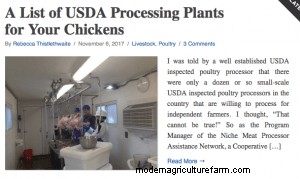
It’s good to have a processing plant or plan in mind before you start. Page 9 in the ATTRA/NCAT booklet covers things you should think about, like transporting your birds to your processor. If you plan on processing your own birds be sure to look into your local and state regulations. Here’s an excellent resource to get started.
What you choose to raise will affect your costs and your sales. The Self Sufficient Home Acre has put together another nice resource on how to raise turkeys. Here’s what they have to say about breed choice:
She also notes that the darker the feathers on the bird, the more difficult it is to remove all trace of them during processing, so you’ll want to keep that in mind as well.
As Forrest Pritchard says,
Click here to read the rest of Forrest’s tips on getting them going with the right feed, grit, roosts and room.
Check the ATTRA/NCACT booklet for information on taking them to the pasture. And for extra information, the Livestock Conservancy has a very detailed manual on brooders, feeds and feeding of pastured turkeys, and fences and other facilities.
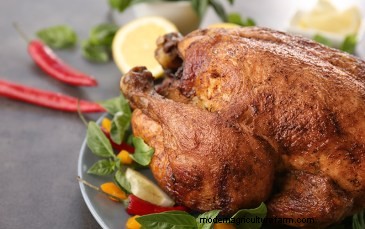
As a leap before I look person, I feel like all this information might be a little daunting to a fellow leaper and potential turkey producer. You might, like me, be already thinking about the beautiful turkeys headed to the Thanksgiving platters of enthusiastic customers. And, like my own beautiful visions, that might carry you through the hard times that will crop up between ordering your poults, and taking that first delicious bite. But take it from me, a little advance planning and reading can make those hard times just a little less painful.


