Welcome to Modern Agriculture!

Keeping your coop clean is essential for a thriving flock. Just as you wash dishes or dust a living room, routine coop maintenance prevents common health issues and keeps hens happy and productive.
Having the right equipment speeds up the process:
The deep litter approach—leaving manure to break down over time—has been used for generations. While it can produce nutrient‑rich fertilizer, it also creates dust, bacteria, fungi, and parasites that can harm both chickens and owners. For older hens with weaker immune systems, the risk of respiratory and intestinal issues increases. Regular weekly removal of bedding and manure is the safest way to keep the coop healthy.
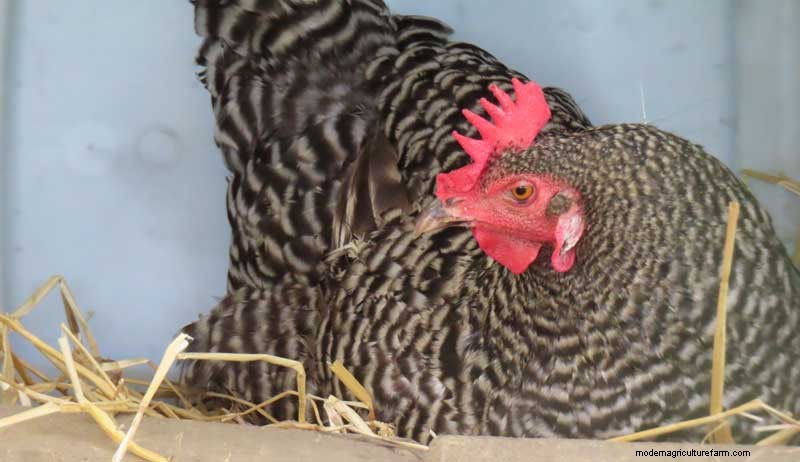
Choosing bedding is critical. Straw is highly recommended because it’s easy to remove, absorbs moisture well, and encourages natural foraging. Wood shavings or sand can be harder to clean and may pose crop impaction risks. Hay is generally discouraged due to mold growth and fire hazards.
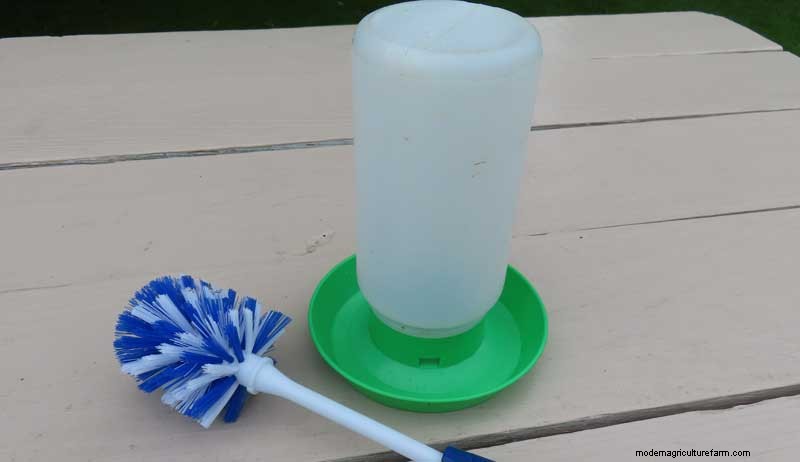
Daily care is key: empty, rinse, and refill waterers twice a day. Once a week, scrub them with hot water, a drop of dish soap, and a dedicated bottle brush. Rinse thoroughly before refilling.
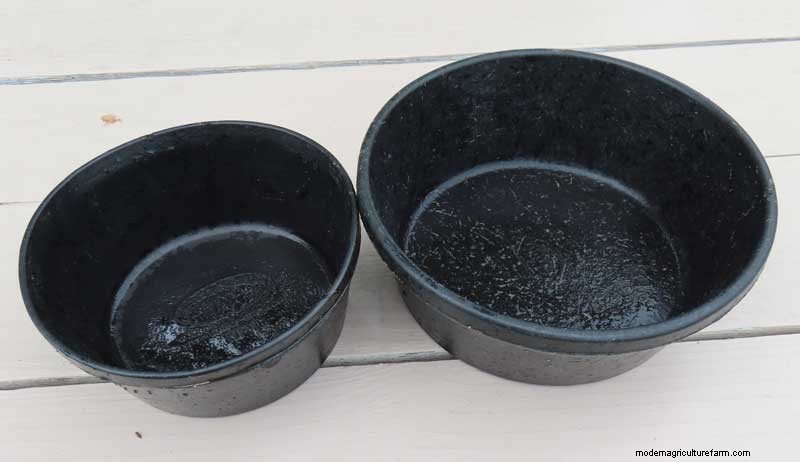
Switching to rubber feed pans simplifies cleaning. Fill feeders with just enough food for a 20‑minute feeding session, empty leftovers, and rinse at least twice daily. Weekly, wash with hot, soapy water and dry completely before refilling.
Inspect the run daily for spilled feed, eggs, or scraps that attract predators. Remove any debris, check for gaps in the mesh, and repair promptly. A tidy run reduces pest and predator risk.
Weekly bedding removal, daily waterer and feeder rinsing, and weekly deep cleaning are recommended for most backyard flocks.
Straw is favored for its ease of removal, natural foraging appeal, and lower risk of crop issues.
It can be used successfully if managed carefully, but regular bedding replacement is the simplest way to maintain a clean, healthy environment.
Empty and rinse daily; scrub weekly with hot water, soap, and a bottle brush.
Remove old feed, wash with hot soapy water, dry completely, then refill.
It reduces pests, predators, and helps keep the flock healthier.
Consistent coop maintenance is quick and essential. By removing soiled bedding, cleaning feeders and waterers, and keeping the run tidy, you create a safer, more productive environment for your chickens. Mastering the art of coop cleaning is a vital skill for every chicken keeper and ensures a happy, healthy flock year‑round.
This guide was published in Hobby Farms magazine online. Subscribe now for more expert tips.