Expect continual growth in feed additives, Paulus Compart said. Enzymes are expected to grow significantly over the next 10 t
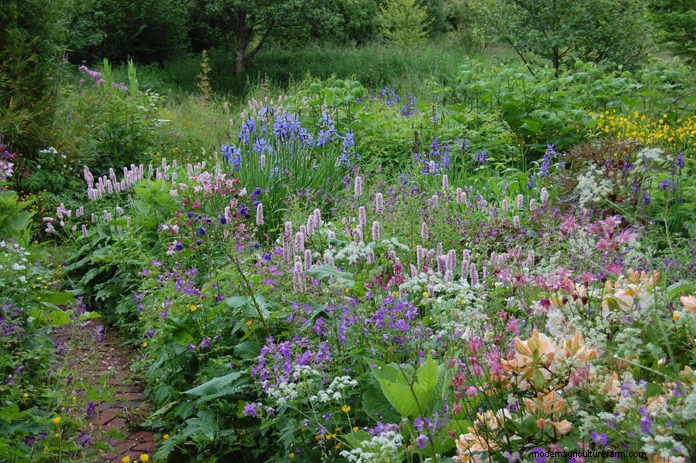
Dr. Noel Kingsbury is currently appealing to experienced gardeners for help with his new research project. The venture aims to fill in knowledge gaps about perennial performance as well as to gather information on drought and flood tolerance.
This project comes 10 years after Dr. Kingsbury’s first wave of research, which was conducted as part of an EU-funded collaboration to look at the cost-effective management of public spaces. The survey, which drew 66 respondents, accrued a mass of interesting data and clarified a number of growth strategies – one, a tendency to be short-lived (but seed a lot) and another best described as ‘slow to establish but then impossible to get rid of’.
Dr. Kingsbury has since used all of this information as part of a workshop on plant performance. The garden writer and lecturer has tutored over a thousand students from across the world, whether they be amateurs, garden designers or researchers.
If you are a relatively experienced gardener who has tried out a wide range of plants over the years, please consider contributing to the second wave of research. This will involve completing a 30 minute survey on perennial performance – detailing both the successes and the failures!
If you are interested in participating, email [email protected].
Pantone’s 2019 Colour of the Year is ‘Living Coral’. See here for inspiration on how to incorporate this into your garden.
Expect continual growth in feed additives, Paulus Compart said. Enzymes are expected to grow significantly over the next 10 t
Dr. Noel Kingsbury, a garden designer and educator, has launched an appeal for green fingered volunteers to participate in a new survey he is carrying out for research purposes. Dr. Noel Kingsbury is currently appealing to experienced gardeners for help with his new research project. The venture aims to fill in knowledge gaps about perennial performance as well as to gather information on drought and flood tolerance. This project comes 10 years after Dr. Kingsbury’s firs
Drifts of naturalised spring bulbs are a fabulous source of colour in the garden and they’re low maintenance, too. The ideal time to plant your bulbs is autumn. As a rule of thumb, plant them at three times their depth. To get a natural look, scatter the bulbs over the planting site and plant them where they fall. If happy, the bulbs will gradually spread to form pretty colonies. By growing a mix of bulbs that flower at different times, you’re guaranteed blooms for much of the year. The
Clematis is a versatile genus, which includes climbers for sun and shade, large gardens and small patios, open ground and pots. Most clematis need training initially but some are self-clinging. Some forms have a shrubby habit, meaning they can be grown as ground cover instead of trained as a climber. Shade-tolerant clematis are particularly useful, as they provide colour and shelter in spots that might otherwise remain bare. Many clematis evolved growing beneath the tree canopy, and will