
Welcome to Modern Agriculture!

I’m proud of my hens, not just because they’re mine.
Just a few months ago, they were a flock of feather‑shedding, weather‑weathered birds with cowlicks and bald spots, gracefully enduring their seasonal molts.
Today, their coats are full, fluffy, and bright with renewed combs. The transformation that occurs as feathers shed and regrow in a few weeks is nothing short of remarkable.
Ever wondered what actually happens during a molt? Why and when pin feathers unfurl into full plumes? Molting is a timed, seasonal sequence that every flock goes through each year. Here’s what you need to know.
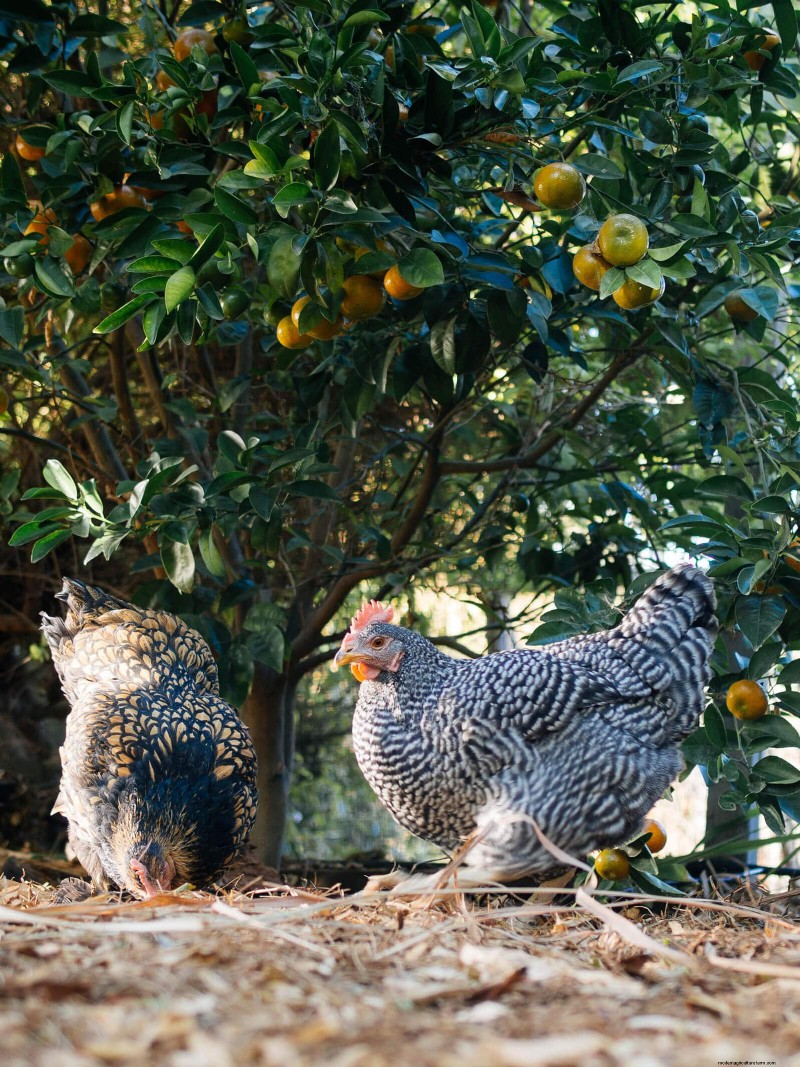
All birds are born with a circadian clock—an internal time‑keeper that signals the optimal moments for laying, molting, and, in some species, seasonal migration.
This clock adjusts to both the duration of daylight and its intensity, keeping birds in sync with seasonal changes. Even equatorial species molt because wet and dry seasons subtly shift sunlight intensity.
The pineal gland in the brain, wired to the eyes, houses this clock. It also regulates egg production cycles in the fall and spring.
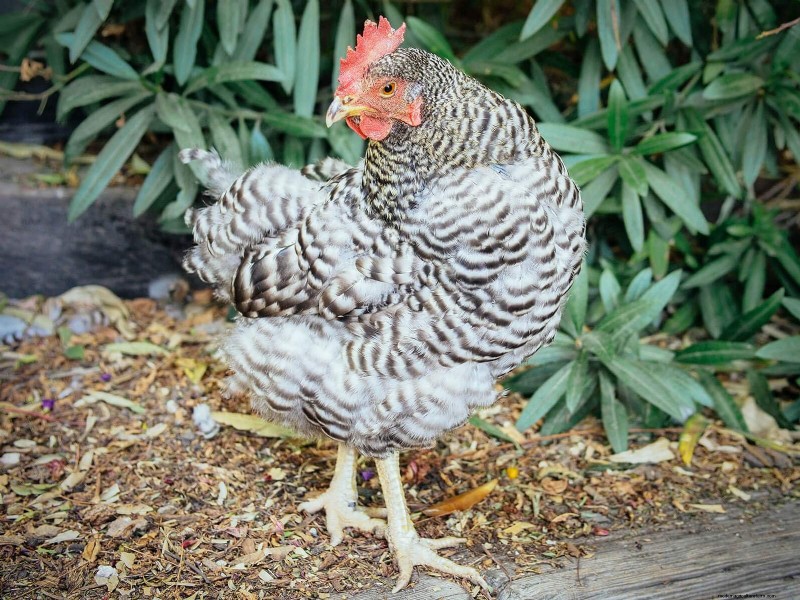
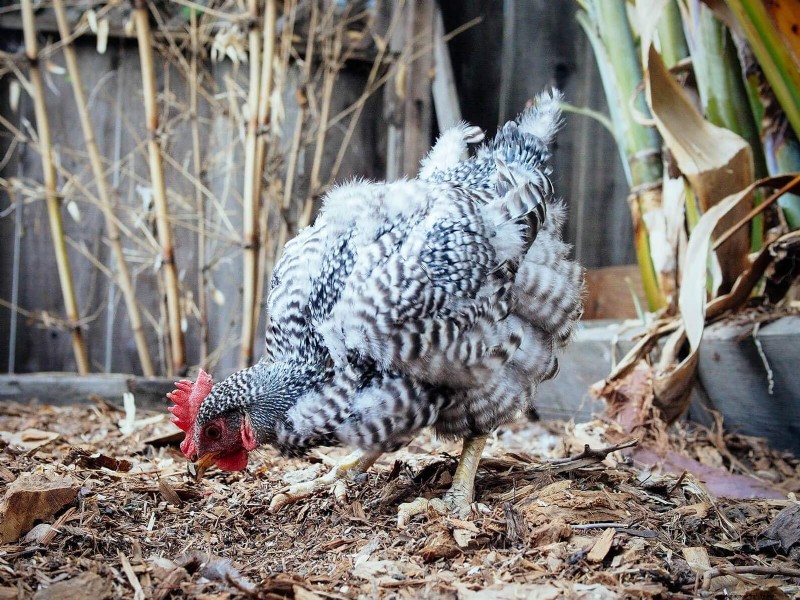
In the Northern Hemisphere, the first hint is the shortened days of September. Hens slow or stop laying, gather together, and may even seem to battle each other in the coop.
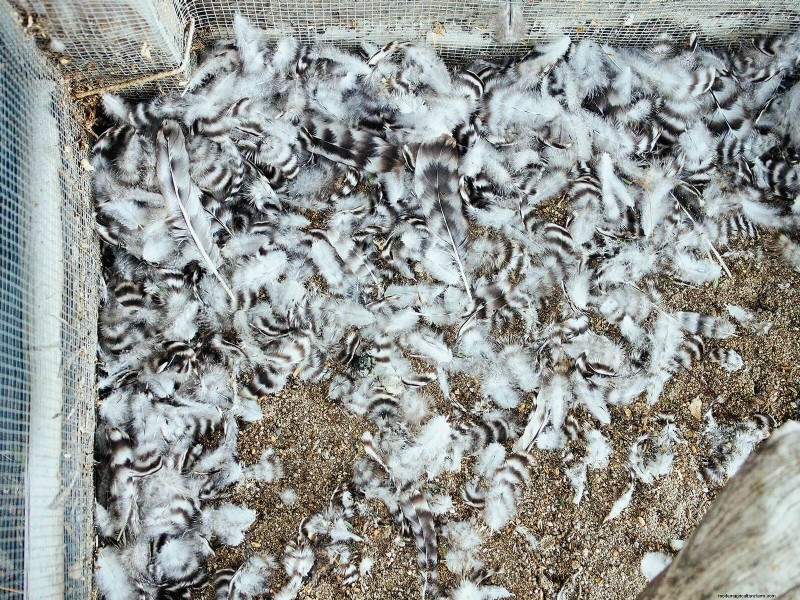
To prepare for winter—or the rainy season in milder climates—birds drop old feathers and grow new, better‑insulated ones. Because feathers are protein‑heavy, egg production is often sacrificed to redirect those resources.
Read more: 7 Surefire Tips and Tricks for Keeping Your Chickens Healthy Through Winter
That combination of fall molting and reduced daylight explains why egg production drops until spring.
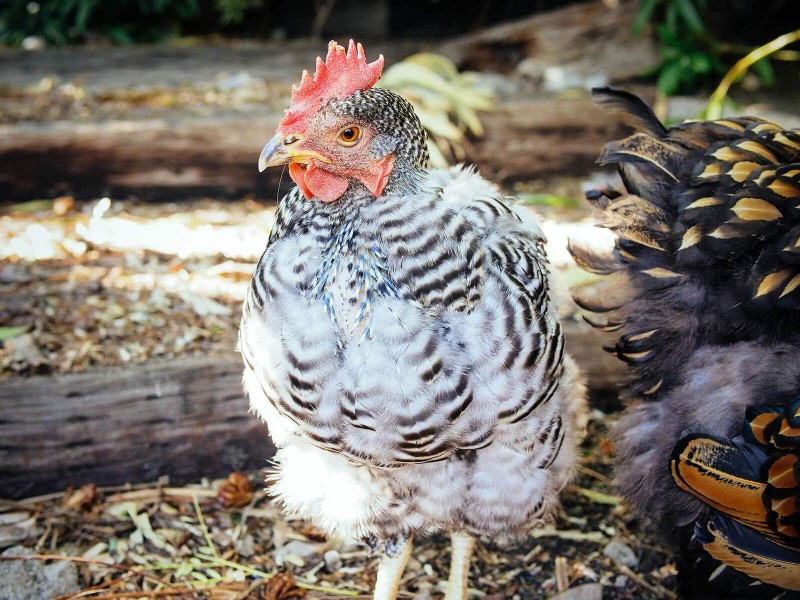
Molting can leave hens less energetic. They may move slowly, retreat from the flock, eat a bit less, and their combs may fade. Reduced metabolic rate can even lower fecal output.
Oyster shell intake drops because extra calcium isn’t needed while eggs are on hold.
Despite a lower appetite, keep water available—refusal to drink could signal a different issue.
Maintain a stable routine. Avoid physical, mental, or environmental stressors such as changing diets, moving housing, or adding new birds.
If you make your own feed, bump protein levels slightly. Offer high‑protein treats—dried mealworms, sunflower seeds, hemp seeds, or pumpkin seeds—to support feather growth.
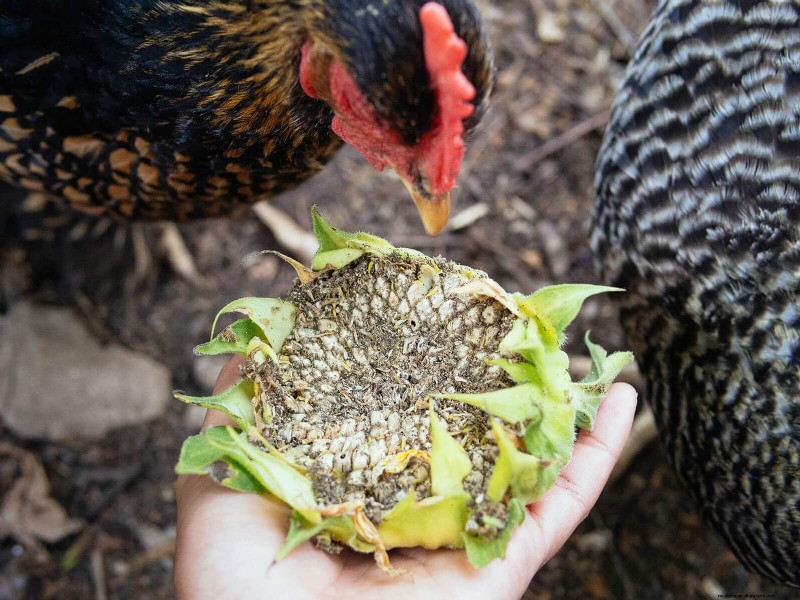
Growing squash in your garden? Toss a cut pumpkin or winter squash to your hens. They’ll love the protein‑rich seeds and tender flesh—an easy way to use bruised fruit or a leftover carving pumpkin.
Think of how you’d feel when you’re down—rest, sun, and a hopeful outlook. Your hens need the same calm environment.
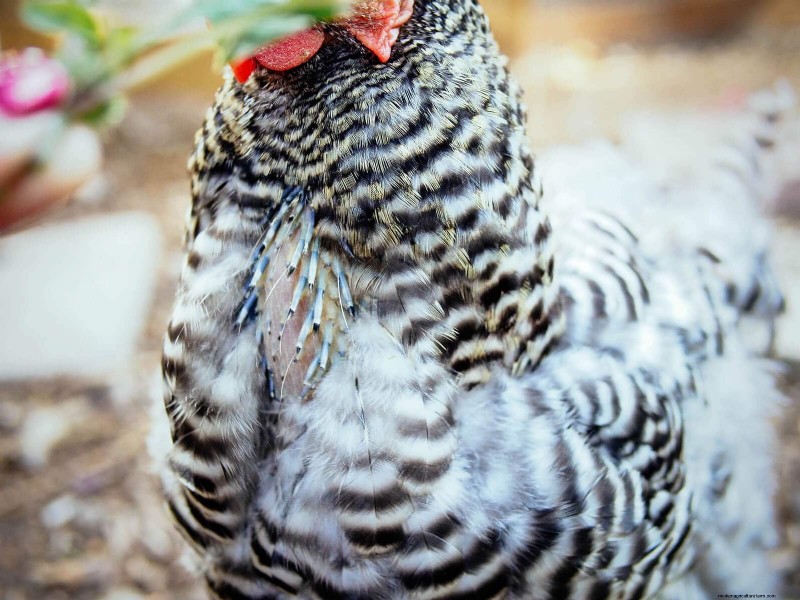
For an adult hen, a seasonal molt lasts from one to six months, with two to three months being typical. Fast molters—often top layers—complete the cycle in as little as one month. Slow molters, like Cochins, Brahmas, and showy breeds, can take longer and typically resume laying only in spring.
All breeds molt in a predictable pattern: head to tail, and primary to secondary wing feathers, moving from the axial feather toward the wing tip.
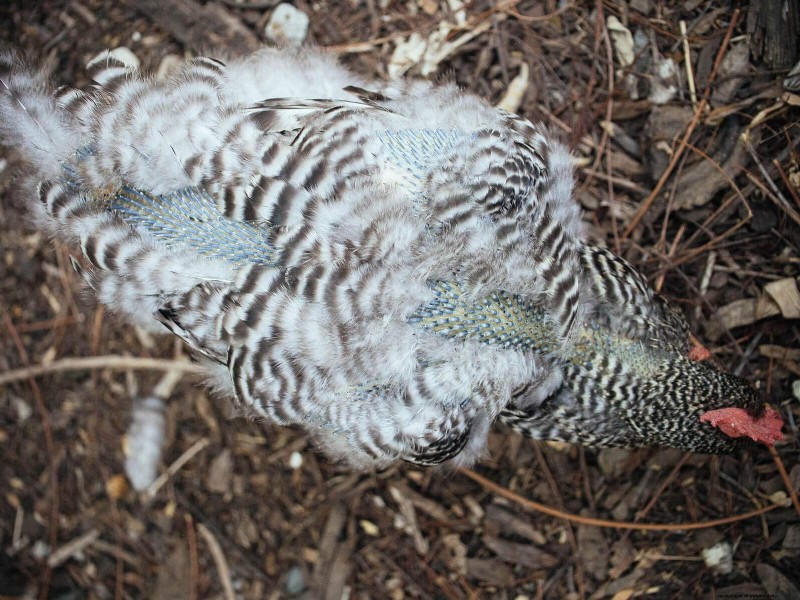
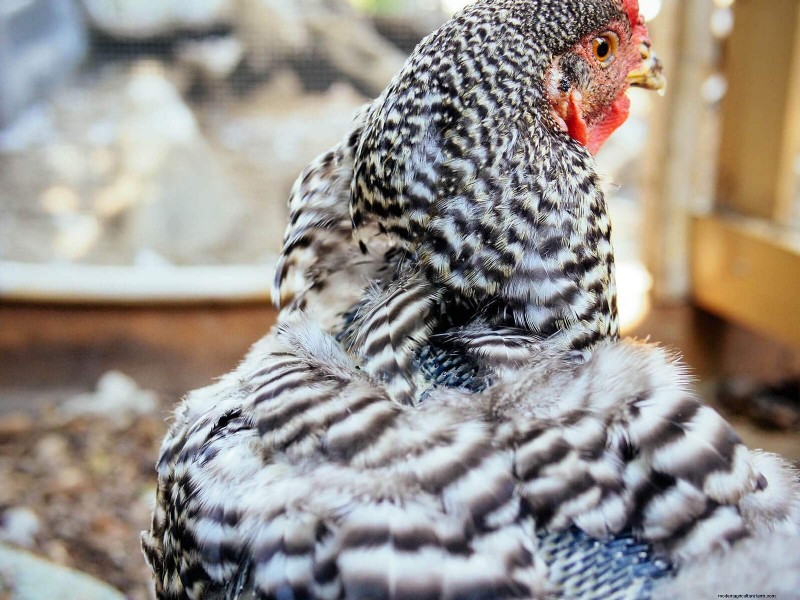
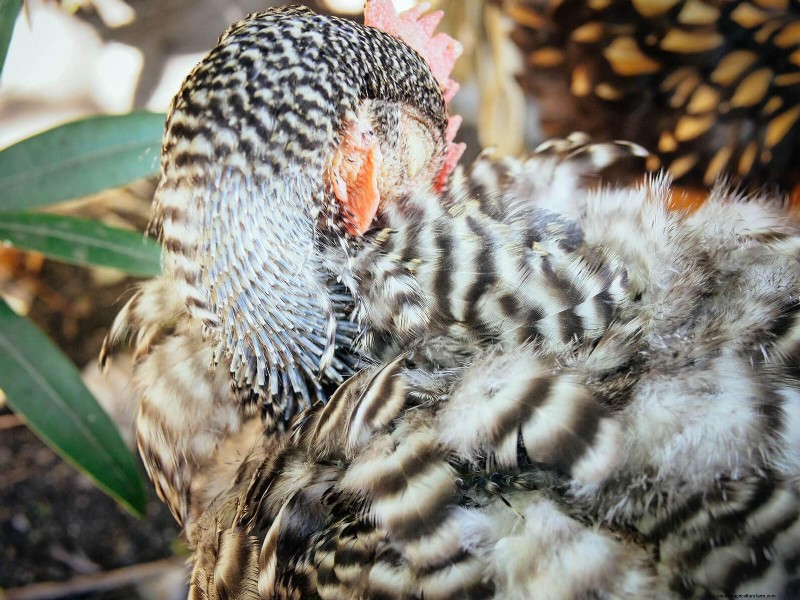
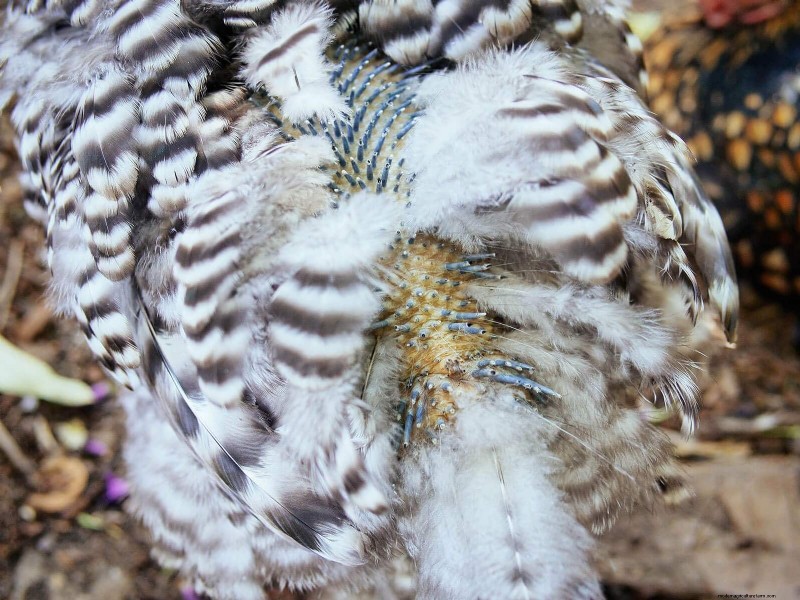
Soft molts may go unnoticed, as new feathers appear to grow right in place of old ones. Hard molts—like those seen in my Barred Rock, Kimora—show clear stages of feather shedding.
Shedding starts with blood feathers—tiny, pin‑shaped structures that contain a blood supply for nutrient delivery. They’re painful for the hen, so handling during this phase is best avoided.
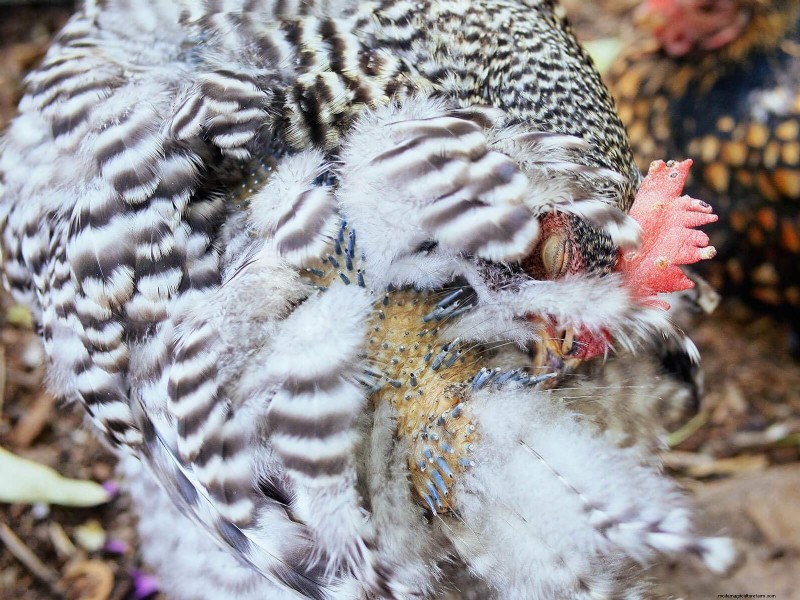
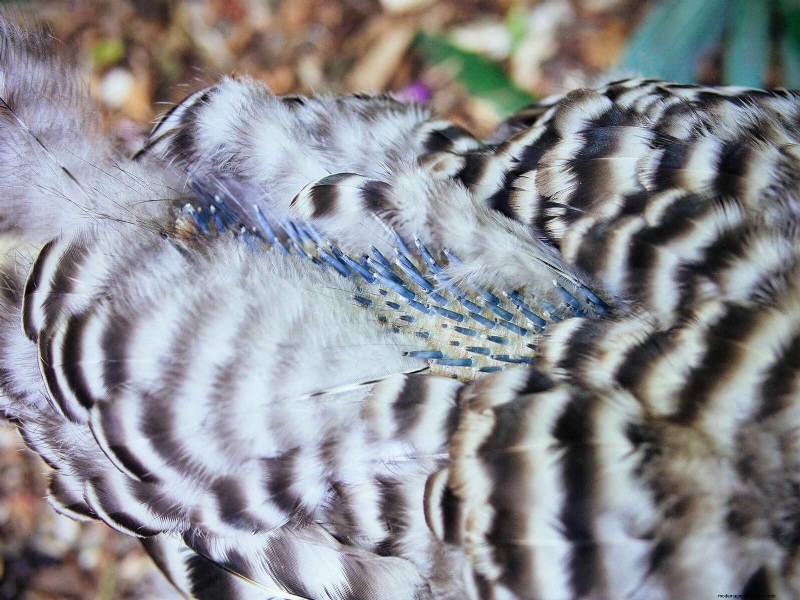
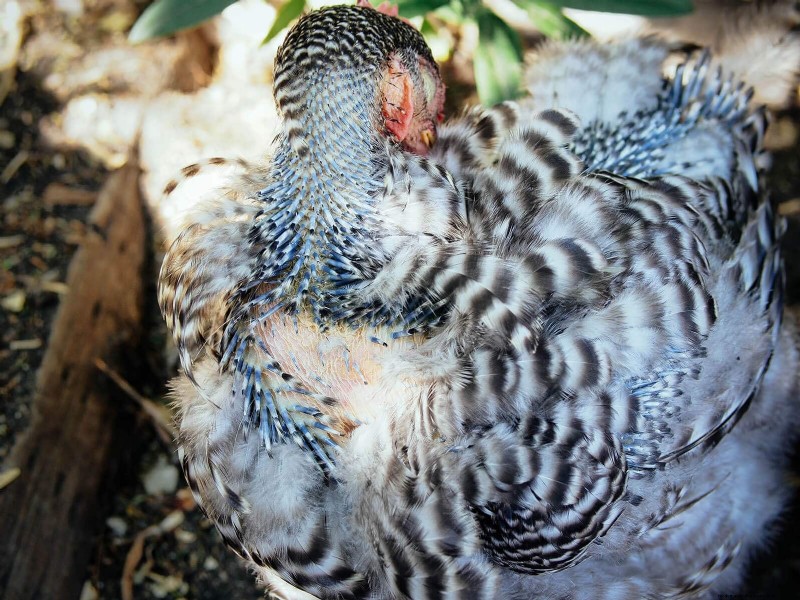
Blood feathers can crack or bleed, especially in feathered‑feet breeds like Cochins or Brahmas. If the shaft breaks, the feather may bleed.
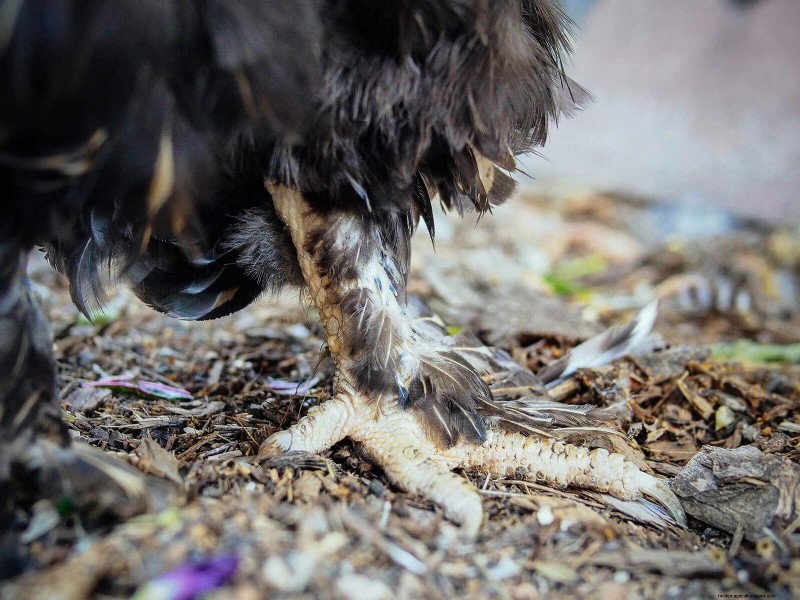
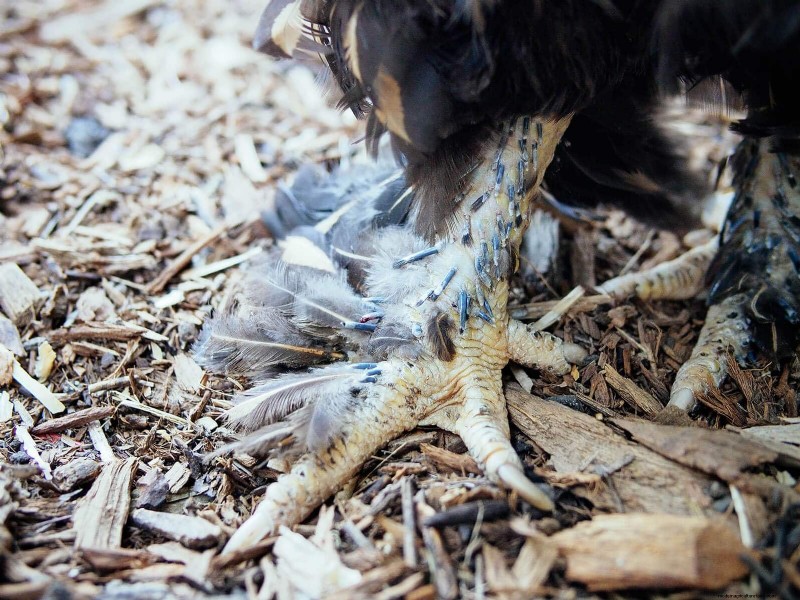
Feathers push out of follicles as tiny nubs, then become spiky and rolled. As they grow, the waxy coating loosens, and the shaft starts to look “furry.” Hens often pull these new shafts off during preening.
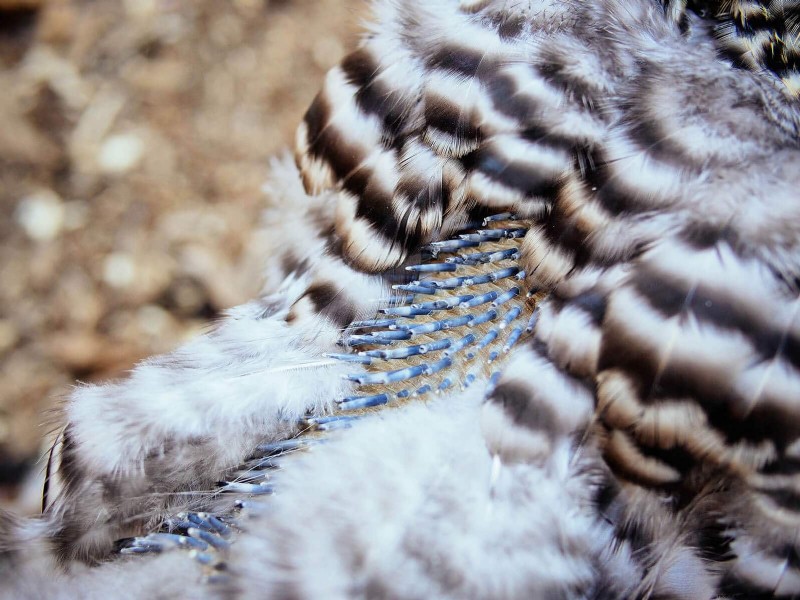
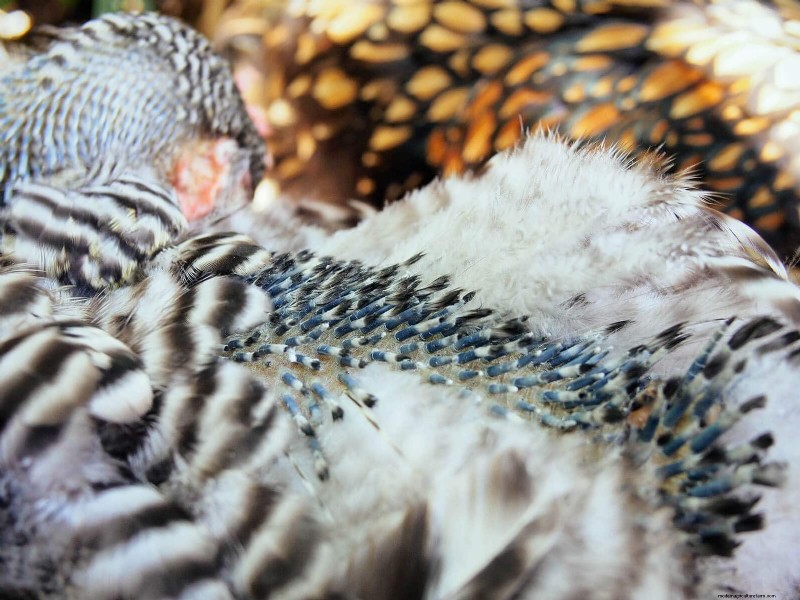
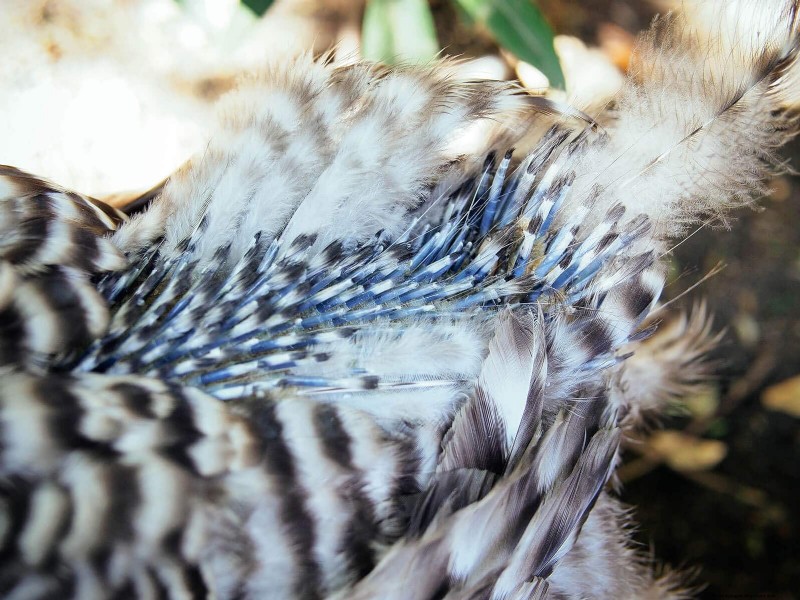
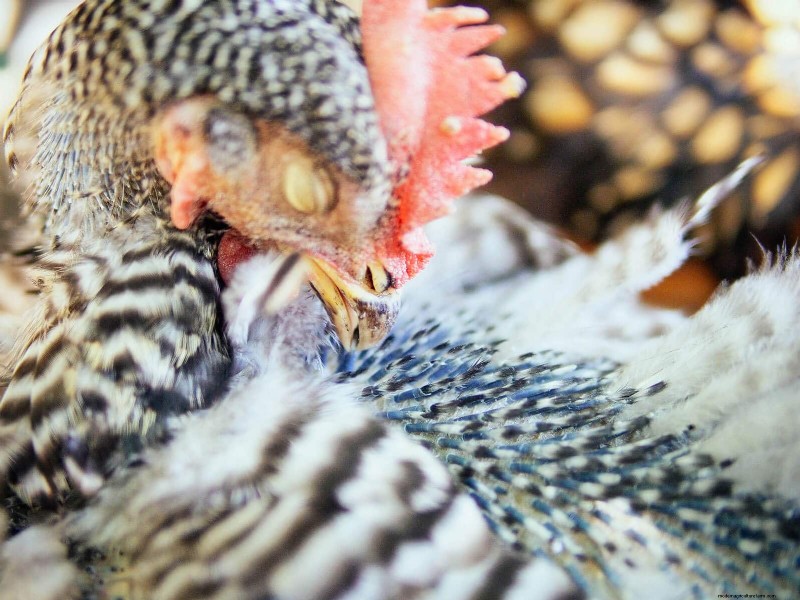
During preening, the waxy casing falls away, revealing the new feather. At this point, the hen may appear scruffy, but the new feather is ready to function.
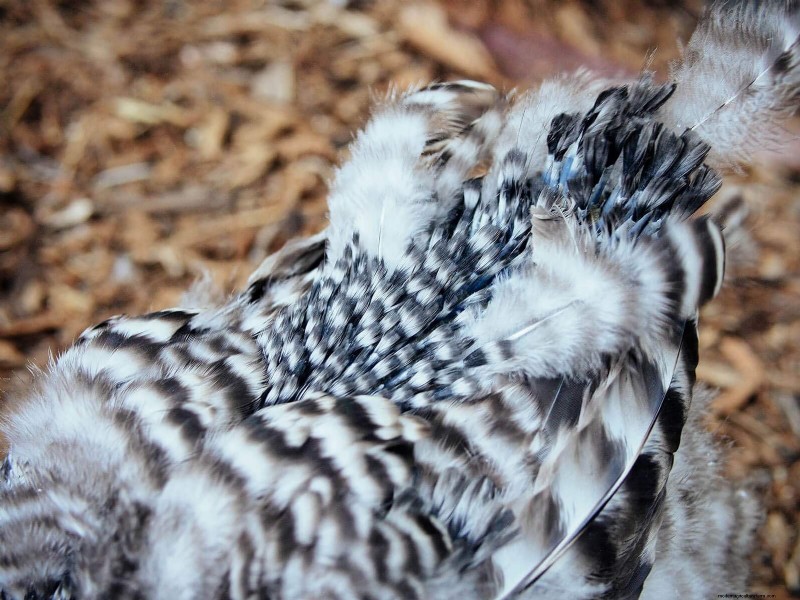
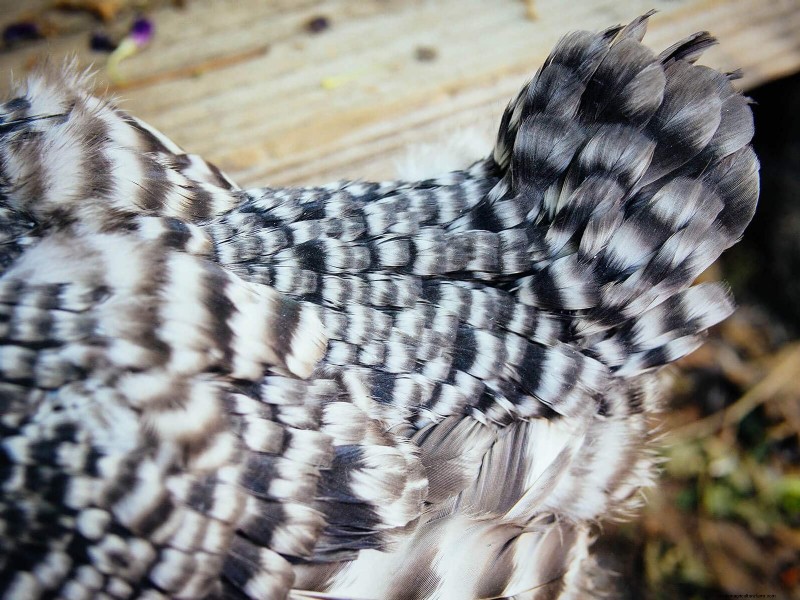
As the shaft dries, it becomes a quill—an ancient tool for ink pens, illustrating the evolutionary purpose of feathers as “wires.”
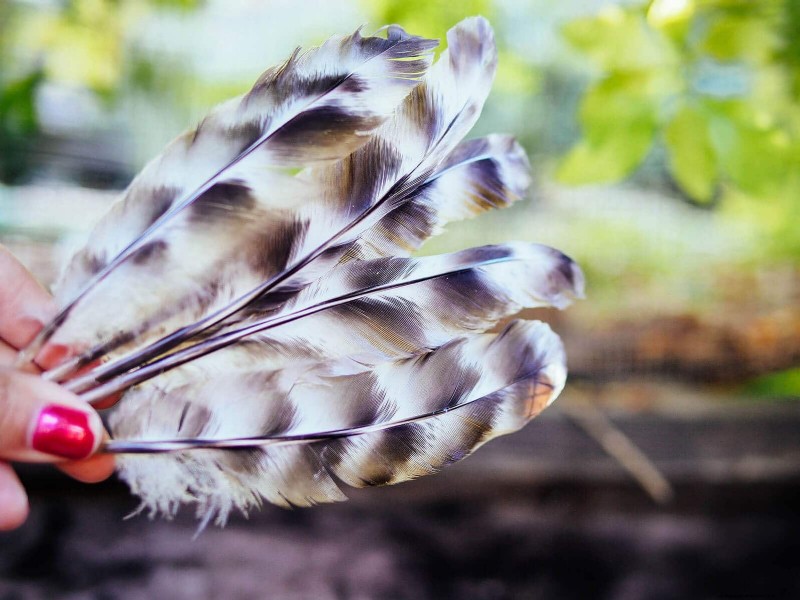
Fully grown feathers are a marvel of nature. Newly emerged feathers are vibrant, soft, and glossy, thanks to the preen gland—an organ that secretes oil, known as the “pre‑en” or “oil gland.”
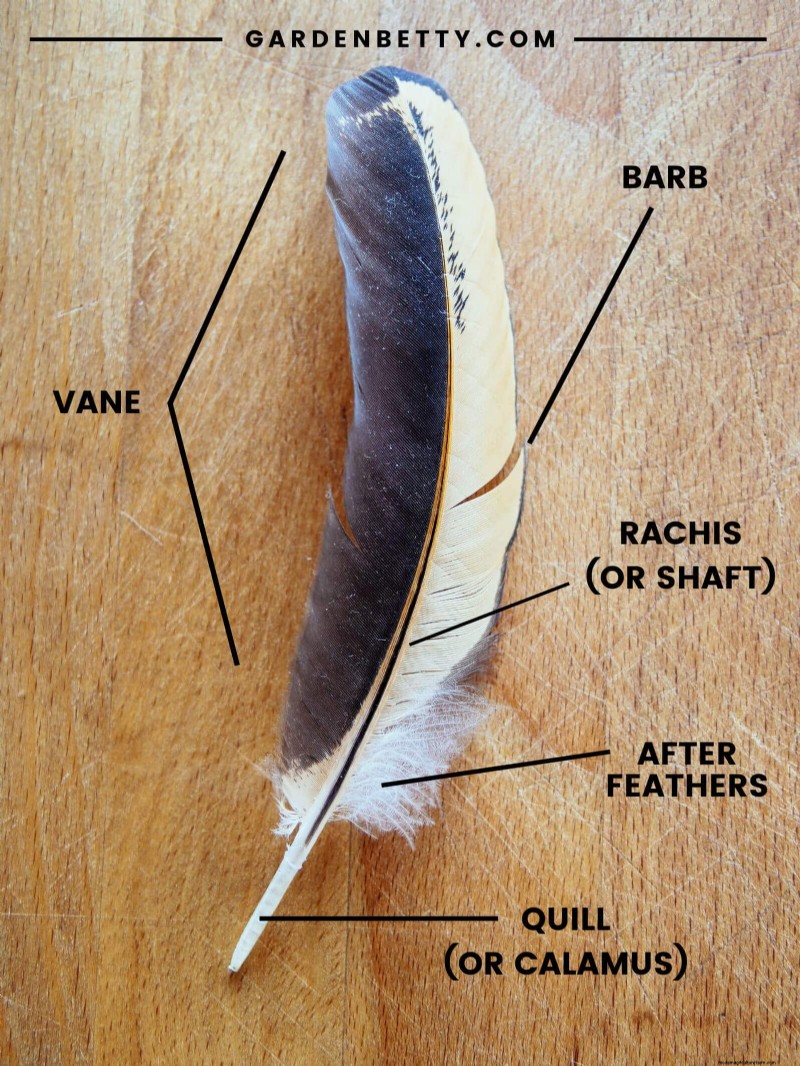
At the base of each feather lies a tiny nipple‑like nub, called a papilla. It secretes a special preen oil that hens use to spread over their feathers, protecting them from damage.
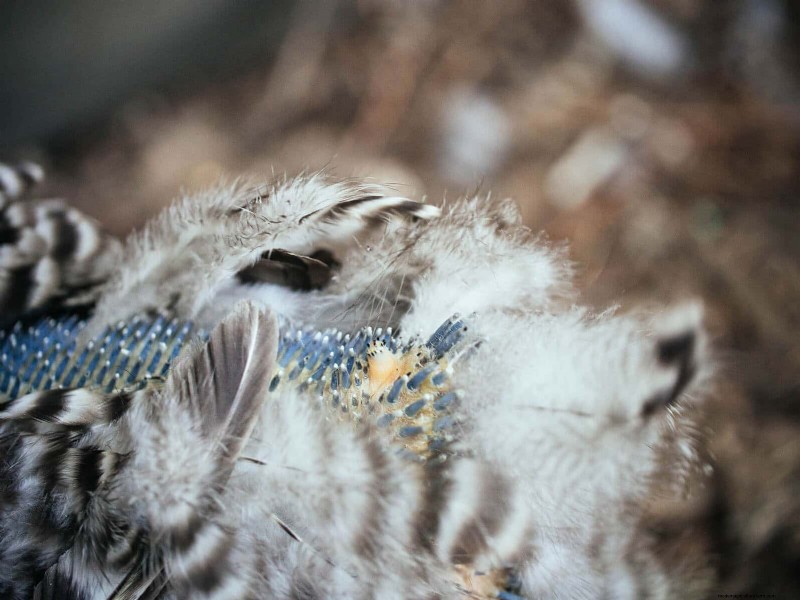
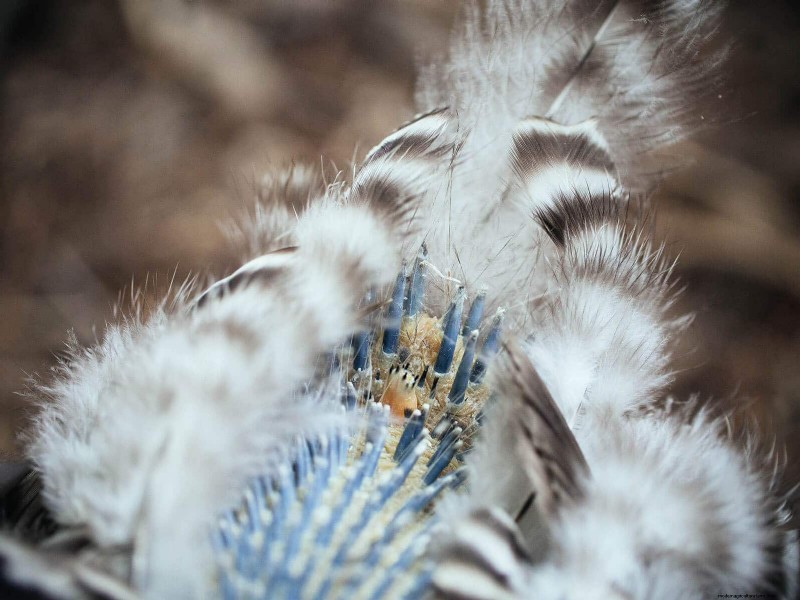
When a hen rubs the gland, she distributes the oil, creating a protective layer that prevents wear and tear. This process is why hens bury their heads, beaks, and wings—an act of self‑care that keeps feathers intact.
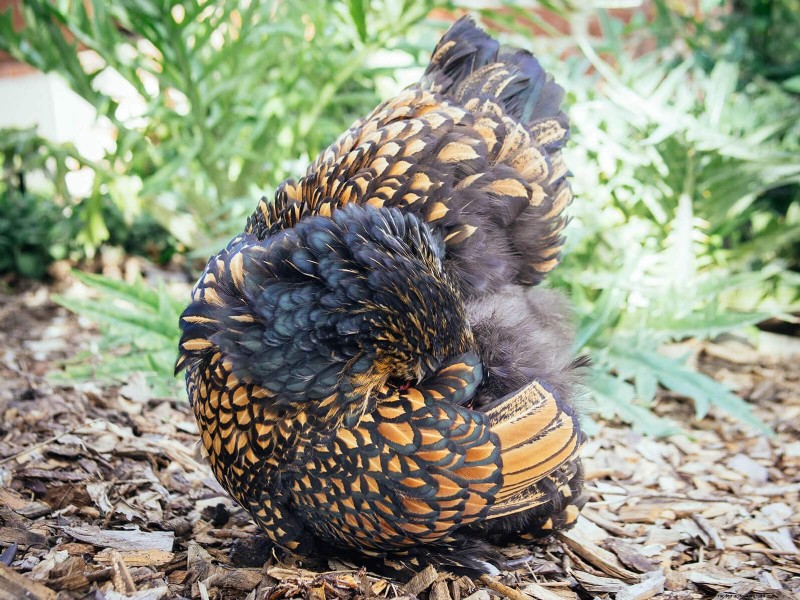
After the molt, hens return to their natural, fully functional state—ready to scratch, cluck, and thrive.
Additional Resources:
This post was updated from an article originally published on February 17, 2014.
View the Web Story on chicken molts.

Linda Ly
I’m a plant lover, avid road‑tripper, and cookbook author whose expert insights have appeared in The Wall Street Journal, Time Magazine, HGTV, and Food & Wine. My latest book, The Route 66 Cookbook, celebrates culinary heritage along America's historic highway. I also write for Garden Betty, covering homesteading, farm‑to‑table cooking, and outdoor adventures—guiding readers toward a life well‑lived outdoors. Read more »


