Welcome to Modern Agriculture!

While most people picture a sunny‑yellow yolk, backyard hen keepers know that a deep, vibrant orange is a true hallmark of a healthy, well‑fed flock.
Through a simple home experiment, I compared eggs from pasture‑foraging hens that hunt insects, scratch soil, and eat a whole‑grain diet with those from free‑ranging and factory‑farmed birds. The differences were striking: my eggs had darker, fuller yolks and sturdier shells.
But why is the color of an egg yolk important? It’s not just about appearance—it signals a balanced, nutrient‑dense diet that benefits both hens and humans.
Several factors influence yolk color, including the presence of xanthophylls (carotenoids), omega‑3 fatty acids, and protein from meat sources.
First documented in 1915 by Dr. Leroy Palmer in the Journal of Biological Chemistry, xanthophylls are the pigments that turn yolks from pale to rich orange. While beta‑carotene (often associated with carrots) boosts yolk nutrition, it’s the xanthophylls—particularly lutein—that deepen the hue.
These pigments are abundant in dark leafy greens such as spinach, kale, collards, and in cruciferous vegetables like broccoli and brussels sprouts.
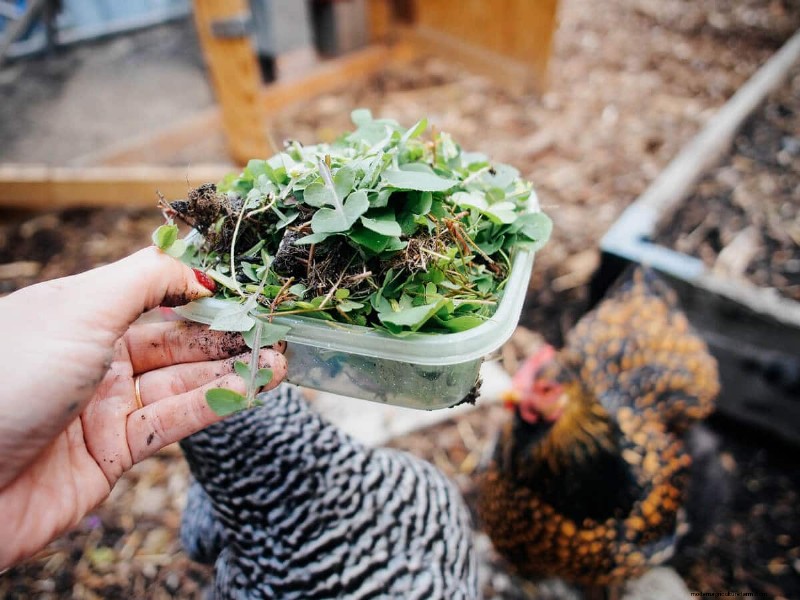
Omega‑3s are concentrated in oily fish (salmon, tuna, mackerel), shellfish, algae, tofu, and high‑fat plant foods such as Brussels sprouts, navy beans, and avocados. Flax seeds and sea kelp—key ingredients in my homemade grain feed—also supply these essential fats.
Chickens are natural omnivores. Including protein sources like mealworms, beetles, grasshoppers, and grubs—plus occasional cooked poultry leftovers—can enrich yolk color and nutrition without encouraging cannibalism.
Color alone isn’t a definitive nutrient indicator. It reflects the pigments in a hen’s diet. However, eggs from hens fed a diverse, pasture‑rich diet typically contain higher levels of fat‑soluble vitamins (A, D, E, K), essential fatty acids (DHA, ALA), and minerals (calcium, iron, magnesium, zinc).
Studies by Mother Earth News and Pennsylvania State University confirm that pastured eggs exhibit higher concentrations of vitamins A, D, E, beta‑carotene, and omega‑3s compared to grain‑fed, caged hens.
| Yolk Color | Typical Ingredients |
|---|---|
| Nearly colorless | White cornmeal |
| Light yellow | Wheat, barley |
| Medium yellow | Yellow cornmeal, alfalfa meal |
| Dark yellow | Marigolds, leafy greens, alfalfa |
| Orange to red | Pumpkins, tomatoes, red peppers |
While some producers use additives like canthaxanthin to artificially darken yolks, the healthiest yolks come from hens that have unrestricted access to pasture, insects, and fresh greens.
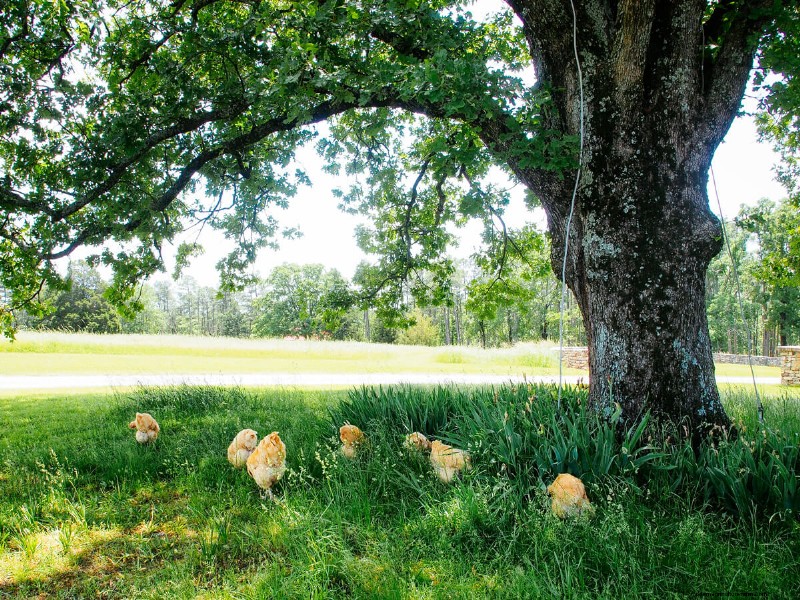
Allow hens to roam a well‑herbed pasture or garden. The richer the ground cover, the more insects—worms, grubs, earwigs—become available, boosting the hens’ intake of xanthophylls and omega‑3s.
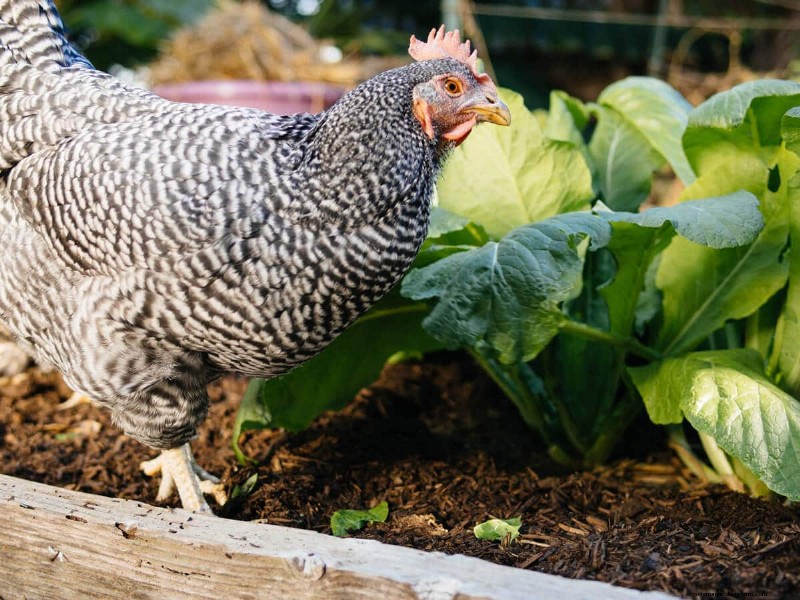
Offer fresh kale, mustard greens, broccoli leaves, or amaranth. The darker the green, the higher the lutein content, which intensifies yolk color.
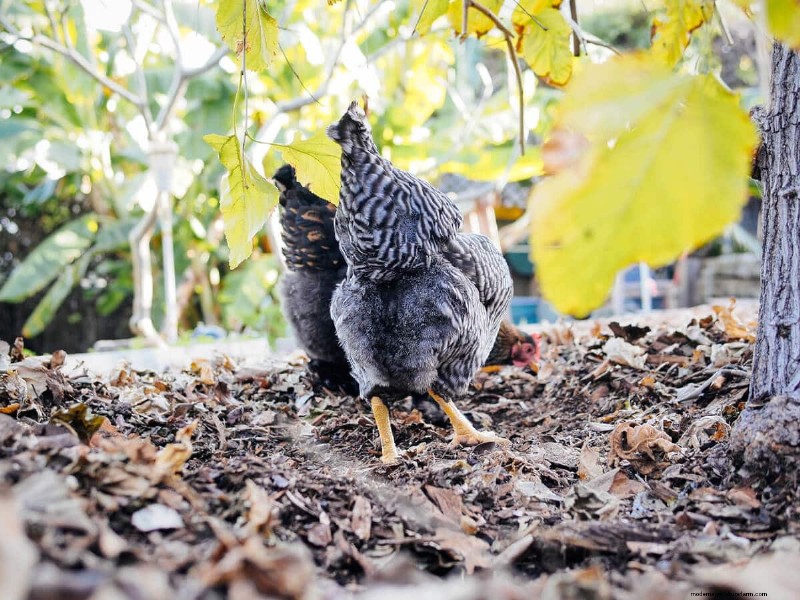
Instead of pulling weeds, let hens consume dandelions, clover, and other nutrient‑rich plants. Their natural foraging helps maintain a low‑maintenance lawn that supports biodiversity.
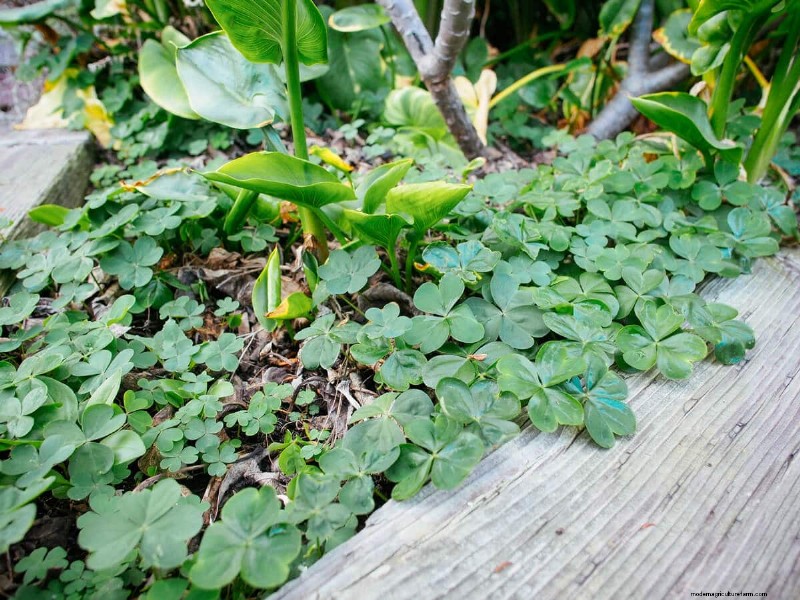
After harvest, let hens eat the remaining plant material, including stems, flowers, and seeds, reducing pest pressure and providing extra nutrients.
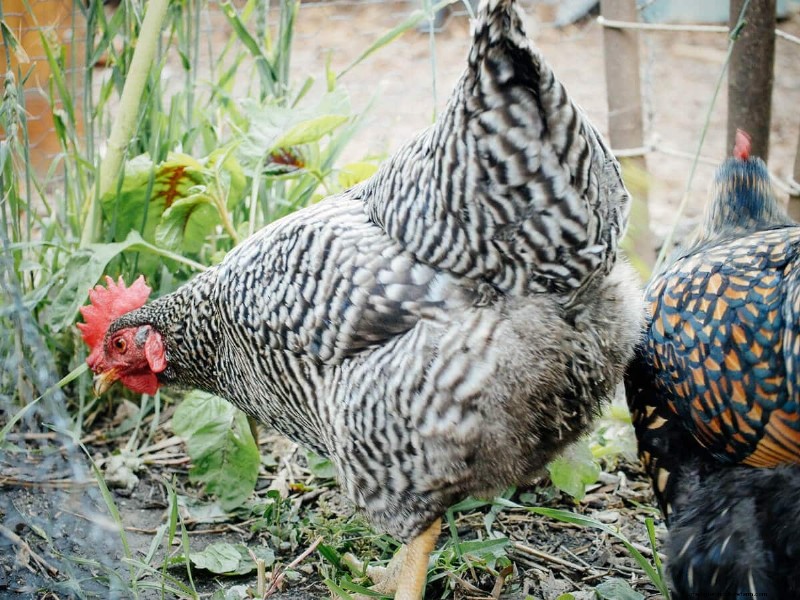
Set up a compost bin in the chicken run. As hens scratch through kitchen scraps and yard debris, they accelerate decomposition and gain protein from the resulting worm activity.
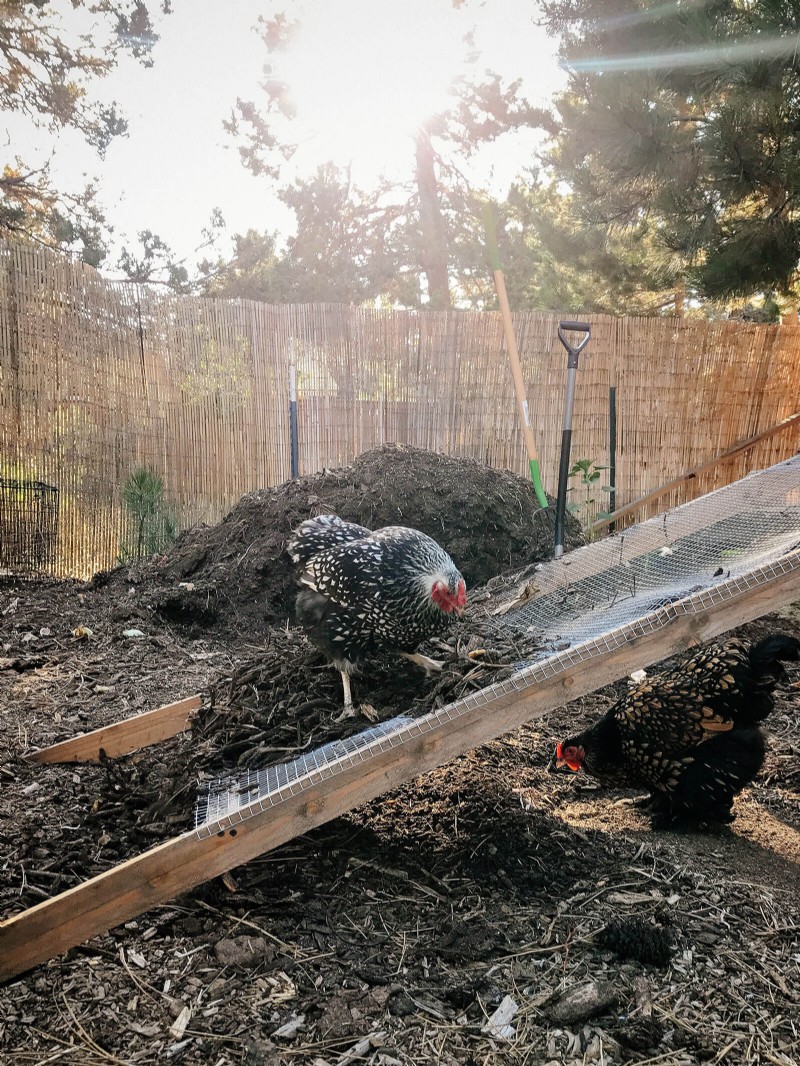
Adopting these practices not only yields stunning orange yolks but also supports a healthier, more sustainable flock.
This article was originally published on March 7, 2013 and updated to reflect current best practices.
View the Web Story on how to make chickens’ egg yolks darker.

Linda Ly
I'm a plant lover, passionate road‑tripper, and cookbook author whose expert advice and bestselling books have been featured in The Wall Street Journal, Time Magazine, HGTV, and Food & Wine. The Route 66 Cookbook is my latest book. Garden Betty is where I write about modern homesteading, farm‑to‑table cooking, and outdoor adventuring—all that encompass a life well‑lived outdoors. After all, the secret to a good life is… Read more »