If you have your own hobby farm, or are even looking into buying land in Texas, there are many different aspects that you will need to take into consideration. Once you actually have the land, however, you will have the freedom to use it for just about anything that you want, whether that means raising livestock or just escaping from the stresses of your everyday life.
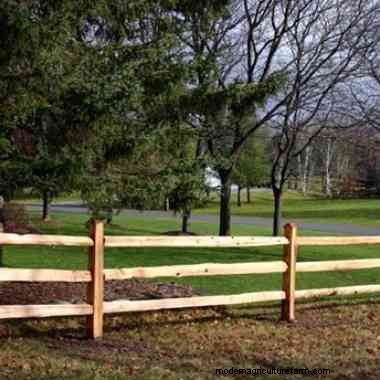
Should you choose to have animals on the farm, however, there are all kinds of regulations and rules you will need to deal with. Keeping the animals securely on your land will become one of your top priorities, which will likely necessitate the building of a fence. This will also help clearly mark your land from the hobby farms of your neighbors.
Even if you aren't directly putting the fence on your farm up on your own, you will still need to be an active participant in the planning process, from the style of the wood to where each post will be put. If you do not have experience in farm fencing construction, chances are good that you will run into some trouble down the road, even with the help of a professional.
Here are some common mistakes people make when setting up fencing for their hobby farm:
- Gate openings: If the fencing you have is an electric system, creating a gate that conducts a current can often be a challenge. For the best results, experts recommend placing a floating diagonal brace on either side of the gate opening. To keep the fence "hot," you will need to trench both hot and cold galvanized wires 1 foot deep under the opening.
- Grounding: Grounding will make up nearly all of an electric fence system. Spacing is key when it comes to these kinds of fences, as the circuit will need to be completed without becoming overheated or overcharged. The actual spacing of the fencing posts can vary depending on the size of the land being surrounded and protected by the fence.
- Post spacing: Fencers tend to use too many posts when constructing a fence, usually under the misguided notion that more fence posts will make the fence stronger and better able to hold in livestock and keep wildlife off of the farm. Generally, posts should be about 50-70 feet apart, although some experts think they can be spread as much as 100 feet.
- Wildlife friendly: A hobby farm in Texas is going to be surrounded by wildlife throughout the day and night, so there is no getting around that fact. That is why you will want to have a fence that is able to hold them back without causing unnecessary harm or injury. A flexible fence, such as those that are made out of high-tensile electric posts will be able to bend a bit to withstand the force of the animal without being damaged or hurting the animal. A low-profile fence is also a way to go, as this means tall animals will hit the fence with their legs but not the heaviest parts of their body.


